
▶Cat Column, Nutrition eating guide
How to Cat-Proof an HDB Flat: A Practical Safety Checklist for Singapore Owners
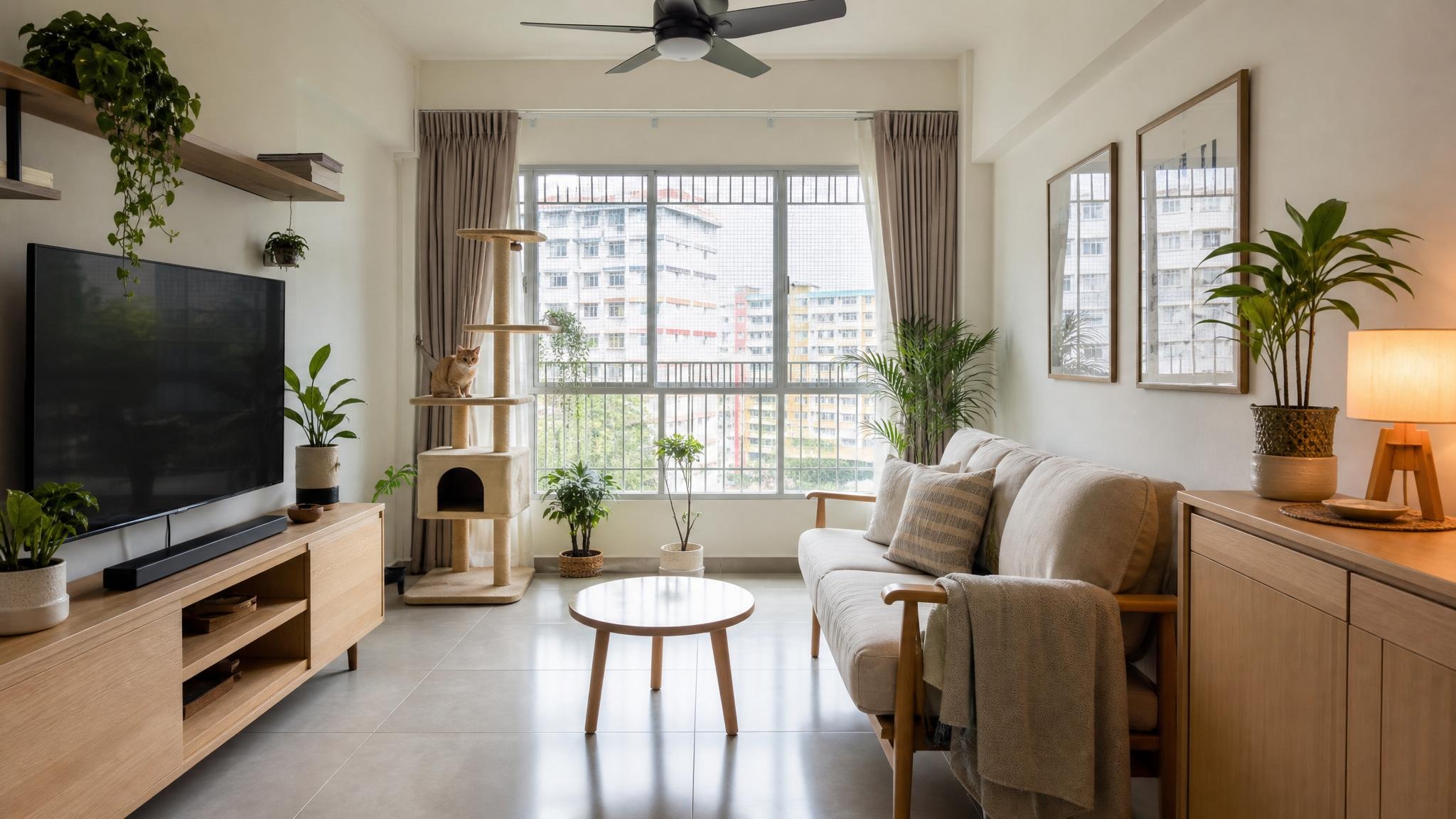
Why cat-proofing matters more in Singapore HDB flats
If you live in an HDB flat, cat-proofing is not just a nice-to-have. It is one of the most practical things you can do to keep an indoor cat safe, especially in a compact home where windows, service yards, corridors, and furniture are all close together. In Singapore, many owners work long hours, so a good cat proof HDB setup helps reduce risk even when no one is home.
Singapore’s climate also changes how you manage a cat-friendly home. Humid weather can make litter smells stronger, encourage mould in hidden corners, and affect how often you need to clean soft furnishings or replace scratchers. If your cat spends time in air-con rooms, you also want a safe, comfortable setup that prevents access to dangerous ledges, loose cords, or poorly ventilated hiding spots.
Another reason cat proof HDB planning matters is that HDB living usually means more shared spaces and more vertical risk. A cat can squeeze through window grilles, jump onto narrow ledges, or slip out through the main door into a common corridor in seconds. In a landed home, some hazards are spread out, but in an apartment, one overlooked area can become a serious accident point very quickly.
Cat-proofing also supports daily routines. When food, litter, rest, and play zones are laid out properly, cats are less likely to chew cables, scratch unsuitable surfaces, or hide in unsafe spots. For busy Singapore owners, a simple and repeatable safety setup makes it easier to maintain a calm home environment every day.
Window, balcony, and corridor risks: the first safety checks to do
The first step in any cat proof HDB plan is checking all windows. Do not assume window grilles alone are enough, especially if the spacing is wide or your cat is slim, young, or determined. Cats can push through small openings, climb mesh that is poorly installed, or jump at birds and lose balance in a moment of excitement.
If your flat has a balcony, service yard, or planter area, inspect it carefully at cat level rather than human eye level. Look for gaps near drainage pipes, low ledges, unstable objects, and furniture that gives easy access to higher escape points. Even if your cat seems calm, one loud noise, unfamiliar visitor, or sudden movement outside can trigger a dash or jump.
Window safety checklist
- Install secure pet-safe mesh on windows, service yard openings, and balcony areas.
- Check grille spacing and test for squeeze-through gaps near corners and frames.
- Avoid leaving windows fully open unless every opening is properly meshed and fixed.
- Inspect mesh regularly for rust, loose fasteners, torn sections, or chewing damage.
Main doors are another overlooked risk in HDB flats. A cat may learn to wait behind the door, then dart into the corridor when someone comes home with groceries or parcels. This is especially common in homes with multiple family members, children, or frequent deliveries.
To make your cat proof HDB setup more reliable, create a “door routine.” Place a small gate, pet barrier, or visual stop zone near the entrance so your cat does not sit directly behind the main door. If your cat is highly curious, redirect attention with a treat mat or toy station further inside the flat before opening the door.
Common indoor hazards: cables, plants, cleaning products, and tight hiding spots
Indoor cats are often assumed to be safer, but flats contain plenty of everyday hazards. Loose charging cables, power strips, and appliance cords can become chew targets, especially for kittens or active cats left alone during the day. Tidying cords into sleeves, boxes, or clips is one of the simplest upgrades for a safer cat proof HDB environment.
Houseplants are another issue. Some common decorative plants can irritate the mouth or stomach if chewed, while soil and fertiliser may also cause problems. If you are unsure whether a plant is cat-safe, keep it completely out of reach and ask your vet before allowing access.
Indoor hazard checklist
- Bundle and cover cables behind furniture or inside cord organisers.
- Store cleaning products in closed cabinets, not on low floors or bathroom corners.
- Remove or isolate risky plants until their safety is confirmed by a vet source.
- Block access to washer-dryer gaps, under-sink spaces, and recliner mechanisms.
Cleaning products need extra care in Singapore homes because many owners clean frequently to manage dust, odour, and humidity. Floor cleaners, bleach, disinfectants, and concentrated detergents should never be left open where a cat can lick residue or step in it. After mopping, let floors dry fully before allowing your cat back into the area.
Tight hiding spots can also be dangerous, especially in small apartments with compact furniture. Cats love enclosed spaces, but gaps behind fridges, washing machines, storage beds, or sofa frames can trap them or expose them to dust, heat, and wires. A good rule is simple: if you cannot safely retrieve your cat from a spot within seconds, that space should be blocked off.
How to set up a safer home for curious indoor cats in small apartments
A safe HDB home should not only remove danger but also give cats better alternatives. In a small flat, boredom can lead to climbing curtains, scratching doors, chewing cords, or trying to escape through windows. The best cat proof HDB approach combines protection with enrichment, so your cat has clear places to climb, rest, scratch, and observe.
Vertical space is especially useful in Singapore apartments where floor area is limited. A stable cat tree, wall shelf, or window-adjacent perch away from direct risk can satisfy a cat’s need to climb and watch the world. If your flat uses air-con often, make sure sleeping spots are cosy and not directly blasted by cold airflow for long periods.
Litter placement also matters more than many owners expect. In humid weather, odour builds up faster, so choose a ventilated but quiet area and scoop frequently. For multi-cat homes, adding enough litter trays can reduce stress, prevent inappropriate elimination, and make the home easier to manage overall.
Feeding zones should be calm, easy to clean, and separate from the litter area. Busy working owners may prefer measured feeding tools, water fountains, or mat systems that keep the area tidier through the day. This kind of routine setup helps your cat proof HDB plan work long-term, not just during the first week after adoption.
Simple layout ideas for small HDB flats
- Place scratching posts near sleeping and transition areas, such as beside the sofa or bedroom entrance.
- Create one safe hideout with a covered bed or cube, instead of letting your cat choose unsafe gaps.
- Use shelves and cat trees to expand usable space without cluttering walkways.
- Keep food, water, and litter separate to support cleaner habits and lower stress.
Do not forget regular observation. A cat may ignore one area for months, then suddenly become interested after furniture moves, a new smell enters the home, or another pet arrives. Recheck windows, mesh, door habits, and hidden gaps every few weeks, especially if your cat is still young or newly adopted.
What to buy for cat-proofing: practical supplies Singapore owners can start with
You do not need to buy everything at once. Start with the items that reduce fall risk, escape risk, and household exposure first, then build from there. For most homes, the essentials include secure mesh for windows, cable covers, enclosed storage for chemicals, scratchers, a stable cat tree, and good litter tools for odour control in humid weather.
Litter choice is particularly important in Singapore. In warm, humid conditions, a low-dust, strong-clumping litter can make daily maintenance easier and help control smells in compact spaces. A proper scoop, litter mat, and sealed disposal solution can also make a big difference for owners managing the home before or after work.
Food and hydration tools matter too. Choose bowls or fountains that are easy to clean, especially if your cat spends most of the day indoors in a warm environment. Storage containers that keep food fresh are useful in Singapore’s climate, and they support a cleaner feeding routine with fewer pests and less mess.
If you are building a safer cat proof HDB setup, focus on practical items your cat will use every day. Scratching products, interactive toys, carrier essentials, litter supplies, feeding tools, and safe rest spots all contribute to a home that is easier to maintain and safer to live in. For Singapore owners, it also helps to buy from a reliable source with convenient delivery, so you can keep key cat supplies stocked without last-minute stress.
FAQ
1. Is window grille enough for an HDB cat?
No, not always. Some grille gaps are wide enough for a cat to squeeze through, especially smaller cats and kittens. A safer option is to add secure pet-safe mesh and inspect it regularly for looseness or damage.
2. How often should I check my cat-proofing setup?
Do a quick visual check weekly and a more thorough check every month. Recheck immediately after moving furniture, doing renovation work, replacing appliances, or if your cat starts showing new climbing or escape behaviour.
3. What is the most commonly missed hazard in small flats?
Main door escape risk is very commonly missed. Many owners focus on windows but forget that cats can dash into the corridor when the door opens. Cables, under-appliance gaps, and cleaning product storage are also often overlooked.
4. Does an indoor cat still need enrichment if the home is fully cat-proofed?
Yes. Cat-proofing removes danger, but enrichment gives your cat safe outlets for natural behaviour. Scratching posts, climbing furniture, toys, and comfortable rest areas help reduce stress and prevent problem behaviour.
5. What litter setup works better in Singapore humidity?
Look for litter with good clumping and odour control, and place the tray in a ventilated area away from food. Scoop daily, clean the box regularly, and use a litter mat to reduce tracking in smaller HDB spaces.
6. When should I call a vet after a household accident?
If your cat has fallen, chewed a suspicious item, swallowed plant material, had contact with chemicals, or shows signs like vomiting, limping, breathing changes, lethargy, or hiding more than usual, contact a vet promptly. Do not wait for symptoms to become severe before getting advice.
延伸閱讀
- Why Is My Cat Itching More in Singapore’s Humid Weather? Common Skin Causes and When to See a Vet
- Why Is My Cat Itchy in Singapore’s Humid Weather? Grooming, Skin Care, and When to See a Vet
- Cat Litter Damn Smelly in SG’s Hot Weather? Mineral Sand vs Tofu Sand Showdown!
Last updated:2026-06-01 by CatGarden
CatGarden Deodorizing Mineral Cat Litter 3.0