
▶Cat Column, Nutrition eating guide
Can You Keep Cats in an HDB Flat Now? A Simple Guide to Singapore’s Cat Rules for Owners
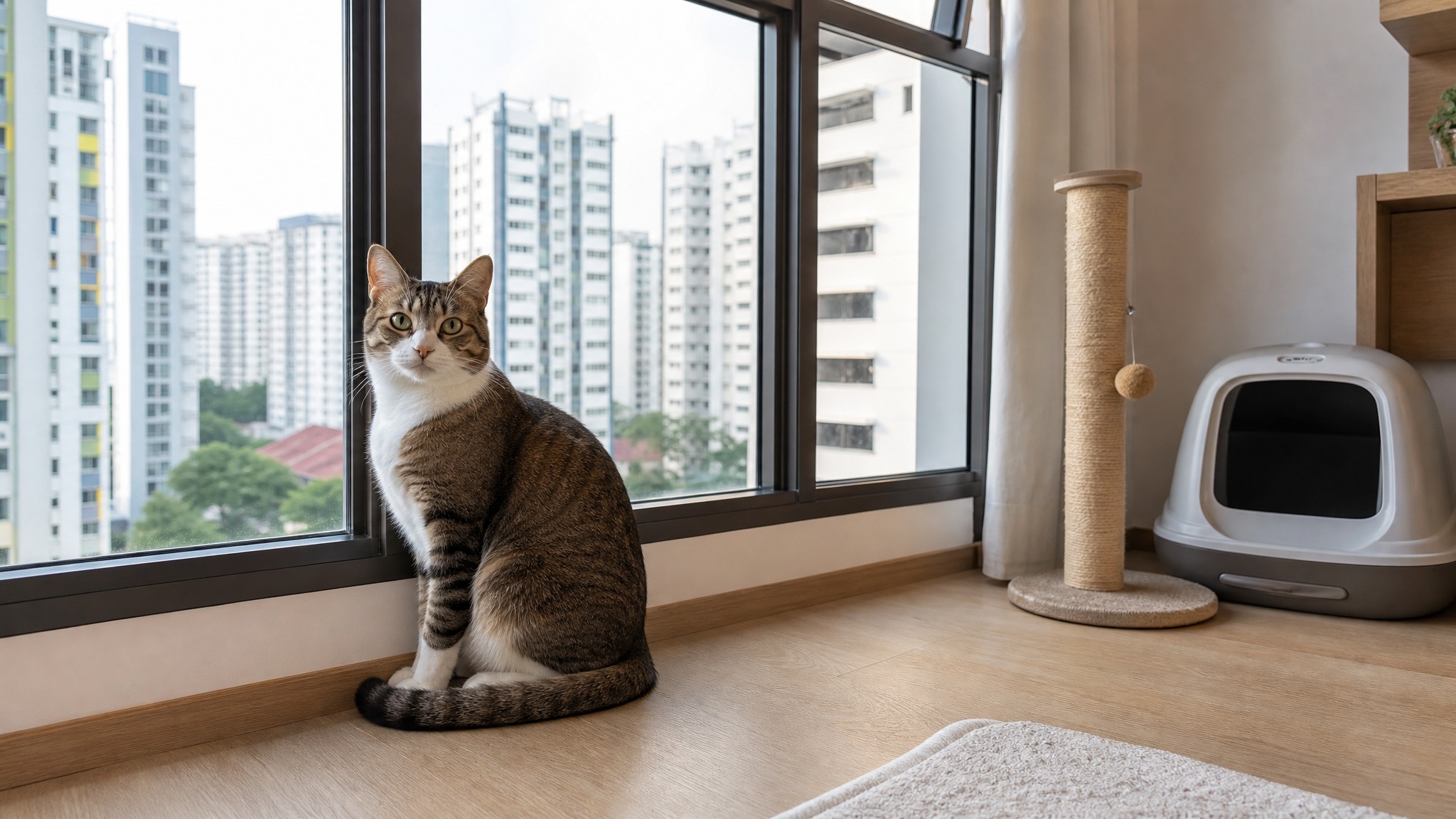
Can You Keep Cats in an HDB Flat Now?
Yes — cats are now allowed in HDB flats under Singapore’s updated framework, which is a major change for many households. For years, cat owners in HDB homes had to deal with uncertainty, even though cats were already commonly kept indoors. With the new approach, the focus has shifted from a blanket restriction to responsible ownership.
This means the conversation around HDB cat rules is no longer just “can I keep a cat?” but also “what must I do to keep one properly?” For cat owners in Singapore, that is a practical improvement. It gives clearer expectations around registration, identification, and everyday care in shared living environments.
If you live in an HDB flat and are planning to adopt a cat, this change makes it easier to do things the right way. At the same time, permission does not mean free-for-all. Owners still need to make sure their cats are safely kept indoors, do not disturb neighbours, and live in a clean, well-managed home.
In short, HDB cat rules now support cat ownership in flats, but they also place more responsibility on owners. That is especially important in Singapore, where homes are close together, corridors are shared, and issues like odour, noise, and roaming can quickly become neighbour concerns.
What Changed Under the New HDB Cat Rules?
The biggest change is that cats are being formally recognised as pets that can be kept in HDB flats, subject to rules and safeguards. This reflects how many Singapore residents already live with indoor cats, especially in apartments. Instead of ignoring reality, the updated framework aims to regulate cat ownership more clearly.
For owners, this makes everyday decisions more straightforward. You no longer need to rely on hearsay or old assumptions when deciding whether an HDB cat is allowed. However, “allowed” comes together with conditions, and these conditions are what matter most if you want to stay compliant.
One important point is that the new framework is meant to reduce common friction points between neighbours. In an HDB setting, complaints usually come from a few recurring issues: cats wandering outside, urine smells in corridors, loud vocalising, or poor cleanliness at home. The updated HDB cat rules are designed to address those risks before they become community problems.
This also means owners should think beyond adoption alone. Keeping a cat in Singapore’s humid weather requires planning for odour control, litter maintenance, ventilation, and stress reduction. A well-kept indoor cat is usually quiet and manageable, but only when the home setup is done properly.
Who the Rules Apply To and What Owners Need to Do
The rules apply to cat owners living in HDB flats in Singapore. If you already have a cat at home, or if you are planning to adopt one, you should check the latest requirements from the relevant authorities and make sure your cat is properly accounted for. The intent is not only to allow ownership, but to ensure cats are traceable and responsibly kept.
This is especially relevant for households with more than one pet. Before adding another cat, owners should consider whether the home has enough space, whether resident cats are compatible, and whether the household can manage hygiene consistently. In compact flats, overcrowding can quickly lead to stress, fighting, and litter box issues.
Busy working owners should also be realistic about time and routine. Indoor cats in HDB homes still need daily litter scooping, regular feeding, clean water, enrichment, and observation for health changes. If no one is around for long periods, it becomes even more important to create a stable setup with proper food portions, clean litter, and enough stimulation.
Following HDB cat rules is not only about avoiding complaints. It also protects your cat. Proper identification, secure windows, and a safe indoor environment reduce the chance of escape, injury, and neighbour disputes that can put both owner and pet under stress.
Licensing, Microchipping, and Basic Compliance Checklist
A key part of the new framework is compliance through identification and official records. In practice, this means owners should be prepared for requirements such as licensing and microchipping. These steps help link each cat to an owner and support accountability if a pet is lost, abandoned, or involved in a complaint case.
Microchipping is especially useful for indoor cats that may unexpectedly slip out through the main door or service yard. Even a calm cat can panic in a corridor or stairwell and run further than expected. A microchip gives vets and animal welfare groups a better chance of reuniting the cat with its owner quickly.
Basic HDB Cat Compliance Checklist
- Check current official requirements for HDB cat ownership in Singapore.
- License your cat if required under the current framework.
- Microchip your cat and keep contact details updated.
- Sterilise if recommended or required, especially to reduce roaming or mating-related behaviours.
- Keep your cat indoors and secure windows, gates, and ledges.
- Maintain clean litter areas to reduce smell in humid weather.
- See a vet promptly if your cat shows persistent vomiting, diarrhoea, appetite loss, breathing issues, or sudden behaviour changes.
Good record-keeping also matters. Save your adoption papers, vaccination records, microchip number, and vet details in one place. If there is ever a dispute or your cat goes missing, having organised information can save time and reduce panic.
When people search for HDB cat rules, they often focus on legality first. But in day-to-day life, basic compliance is really a mix of admin and prevention. A licensed, microchipped, healthy indoor cat in a clean flat is far less likely to create issues for both owner and neighbours.
Responsible HDB Cat Ownership: Noise, Hygiene, Roaming, and Neighbour Concerns
Responsible ownership is the heart of the updated approach. In an HDB environment, your cat may live fully indoors, but the effects of poor care can still extend outside your unit. Smells drifting into the corridor, repeated meowing at night, or a cat appearing in shared spaces can all trigger complaints.
Most of these issues can be prevented with early planning. If a cat is vocalising excessively, there may be an underlying reason such as stress, boredom, mating-related behaviour, or illness. Instead of treating it as a simple nuisance, owners should watch for patterns and speak to a vet when needed.
Hygiene matters even more in Singapore because of the climate. Heat and humidity can make dirty litter boxes smell stronger and faster, especially in small flats with limited airflow. Scooping at least once or twice daily, replacing litter regularly, and using effective odour-control products can make a big difference.
Roaming is another major concern under HDB cat rules. Cats should not be allowed to wander corridors, void decks, or neighbouring units. Besides safety risks, roaming cats may frighten residents, damage property, or be exposed to traffic, falls, parasites, and fights.
How to Reduce Neighbour Complaints
- Use enough litter boxes and place them in ventilated, quiet spots.
- Clean up accidents quickly with pet-safe odour removers.
- Cat-proof windows and gates with secure mesh or grilles.
- Provide enrichment such as scratching posts, toys, and climbing areas.
- Keep feeding and litter routines consistent to reduce stress behaviours.
Being considerate also helps maintain goodwill with neighbours. If you know your cat is adjusting, vocal, or recovering from stress, make extra effort to keep the home calm and clean. Responsible ownership is not just compliance on paper; it is how your cat fits into apartment living without creating friction in a shared block.
That is why understanding HDB cat rules should always go together with practical home management. Rules set the baseline, but your daily habits are what make HDB cat ownership sustainable in the long term.
What to Prepare at Home: Essential Cat Supplies for Indoor HDB Living
Once you understand the legal side, the next step is setting up your flat properly. An indoor HDB cat needs more than food and a litter tray. In a compact apartment, every item should help support hygiene, comfort, and behaviour management.
Start with the basics: a suitable litter box, quality cat litter, food and water bowls, scratching surfaces, and a secure carrier for vet visits. If your home has more than one room, place resources in practical spots so your cat can eat, rest, and toilet without stress. In smaller flats, layout matters because clutter can make both cleaning and cat movement harder.
Litter choice is especially important in Singapore’s humid weather. Some litters control odour better than others, and some track less across tiled floors. Many owners look for cat litter Singapore options that balance clumping, smell control, dust level, and ease of disposal.
Food also matters for indoor cats that may be less active than free-roaming cats. Choose a complete diet suited to your cat’s age, health, and preferences, and ask a vet if your cat has digestive, urinary, or weight concerns. When shopping for cat food Singapore, convenience is useful, but consistency and suitability matter more than trends.
Recommended Supplies for an HDB Cat Setup
- Odour-control cat litter suitable for humid homes
- A roomy litter box, or multiple boxes for multi-cat homes
- Scratching posts or boards to protect furniture
- Interactive toys for exercise when owners are busy
- A cat tree or shelves for vertical space in smaller flats
- Water fountain if your cat drinks poorly from bowls
- Secure carrier for vet visits and emergencies
- Cleaning supplies for litter spills and odour accidents
Air-con rooms can help some cats stay comfortable, but they are not a substitute for ventilation, hydration, and cleanliness. If your cat spends time in air-con, make sure there is still access to water and a comfortable resting area. For owners who work long hours, automatic feeders and easy-delivery essentials can also make daily care more manageable.
Ultimately, the best way to follow HDB cat rules is to create a home where your cat can stay indoors comfortably without causing hygiene or neighbour issues. A well-planned setup supports your cat’s welfare and makes your routine easier too.
If you are preparing for life with an HDB cat, start with the basics that matter most in Singapore: reliable litter for odour control, suitable food for indoor cats, scratching options, and everyday cleaning essentials. Choosing the right cat supplies can make apartment living cleaner, calmer, and easier for both cats and owners. If you are comparing options for cat food Singapore, cat litter Singapore, and other daily essentials, shop thoughtfully and build a setup that fits your flat, your schedule, and your cat’s needs.
FAQ
1. Are cats officially allowed in HDB flats now?
Yes, cats are now allowed in HDB flats under Singapore’s updated framework, but owners must follow the relevant conditions. The key point is that ownership comes with responsibilities such as keeping the cat indoors, managing hygiene, and meeting identification or licensing requirements where applicable.
2. Do I need to microchip my HDB cat?
Under the new direction of the rules, microchipping is an important part of responsible ownership and may be required under the applicable framework. Even for strictly indoor cats, microchipping is useful in case they escape and are later brought to a vet or rescue group.
3. Can my cat roam outside the flat corridor?
No, cats should be kept safely indoors and should not roam shared HDB spaces. Roaming can lead to safety risks, neighbour complaints, and possible breaches of the expectations under HDB cat rules.
4. How do I reduce litter smell in a humid HDB flat?
Use a good odour-control litter, scoop frequently, wash the litter box regularly, and place it in a ventilated area. In Singapore’s humid weather, smells build up faster, so routine maintenance is one of the most important parts of indoor cat care.
5. When should I bring my cat to a vet?
You should see a vet if your cat has repeated vomiting, diarrhoea, appetite loss, difficulty breathing, straining to urinate, sudden lethargy, or major behaviour changes. These are not issues to monitor for too long at home, especially in cats that tend to hide illness.
延伸閱讀
- How to Cat-Proof an HDB Flat: A Practical Safety Checklist for Singapore Owners
- Cat Skin Problems in Singapore Humidity: What’s Mild, What Needs a Vet, and What Products May Help
- Is Your Cat Eating Less in Singapore’s Hot Weather? What’s Normal, What to Try, and When to Call a Vet
Last updated:2026-06-02 by CatGarden
CatGarden Deodorizing Mineral Cat Litter 3.0