
▶Cat Column, Everyday beauty care
Cat Skin Problems in Singapore Humidity: What’s Mild, What Needs a Vet, and What Products May Help
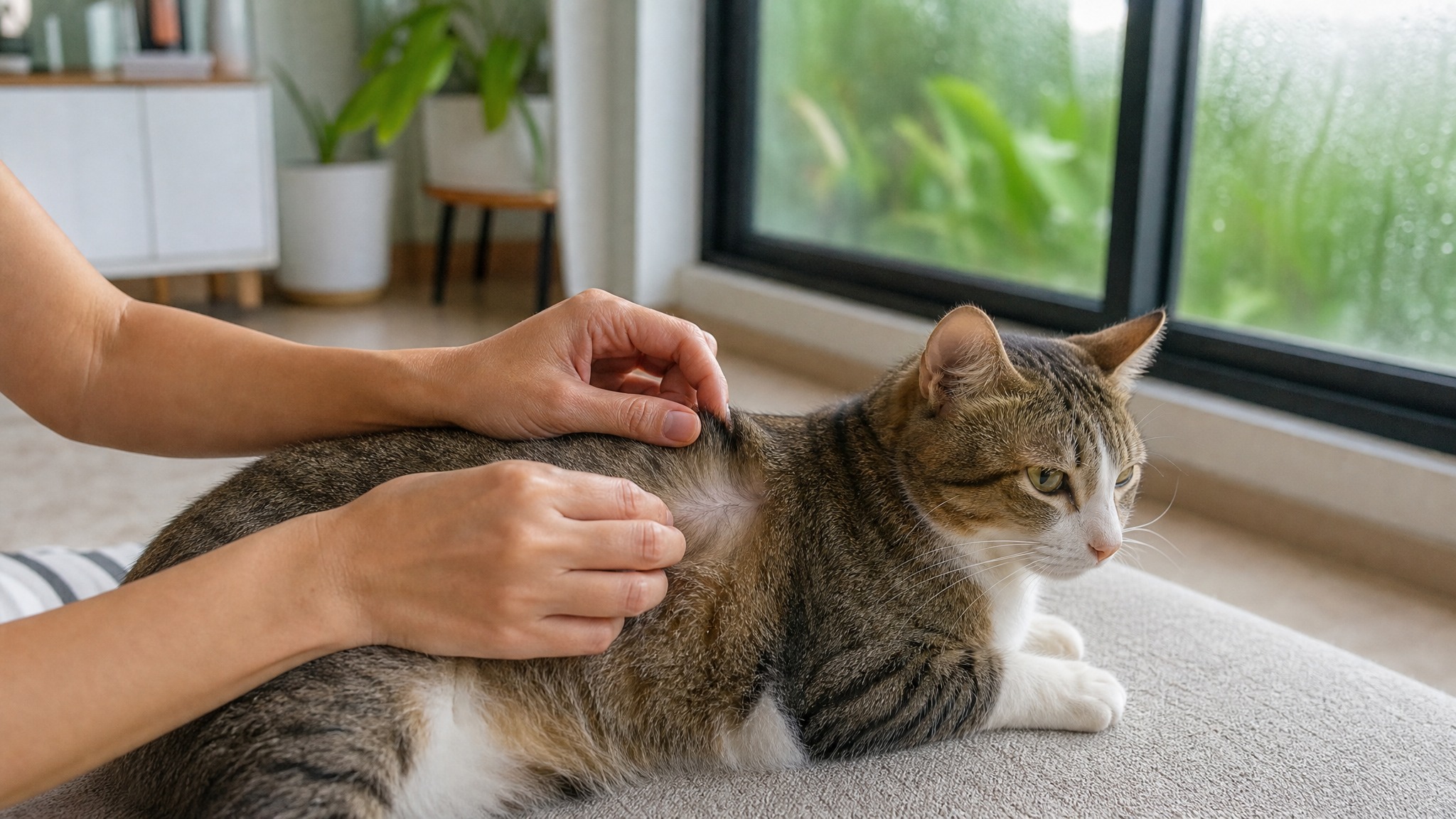
Why Singapore’s Humid Weather Can Trigger Cat Skin Problems
Singapore’s year-round heat and humidity can make cat skin problems more common than many owners expect. Even for indoor cats, moisture in the air can affect the skin barrier, trap oil close to the coat, and make minor irritation flare up faster. In HDB flats or apartments with limited airflow, cats may also spend long hours lying on warm fabric, rugs, or corners that stay slightly damp.
Humidity does not directly cause every skin issue, but it can create conditions where yeast, bacteria, and external parasites become more troublesome. If your cat already has sensitive skin, allergies, or a history of overgrooming, Singapore’s climate may make flare-ups happen more often. Busy working owners may only notice changes when dandruff, scratching, or a bald patch becomes obvious.
Air-con can also play a role in a different way. Some cats move between cool, dry rooms and warmer, humid spaces through the day, and that change may leave the skin looking flaky or the coat feeling rough. In practical terms, cat skin problems in Singapore often come from a mix of humidity, grooming habits, indoor environment, and underlying health issues rather than one single trigger.
That is why it helps to look at the full picture at home: litter box hygiene, resting spots, diet, water intake, and whether your cat is grooming normally. For indoor HDB cats, even odour build-up from bedding, dust, or poor ventilation can add to skin discomfort. Early observation matters, because mild irritation is easier to manage than a more serious infection later.
Common Cat Skin Issues Owners Notice at Home: Dandruff, Red Patches, Scabs, Bald Spots, and Greasy Fur
Dandruff and dry flakes
Dandruff is one of the most common things owners notice first, especially on dark fur or along the back near the tail. A few flakes may simply mean the coat needs better grooming support, improved hydration, or cleaner bedding. But if flakes come with scratching, odour, redness, or oily fur, it may be part of a larger skin issue.
Overweight cats and senior cats may also struggle to groom hard-to-reach areas properly. In Singapore homes, cats spending more time in air-con rooms may show dry flakes even while the weather outside is humid. Mild flaking is not always urgent, but it is still worth tracking if it keeps returning.
Red patches, scabs, and sore-looking areas
Red patches and small scabs often suggest that the cat has been scratching, licking, or biting at the skin. Flea bites, mite irritation, allergies, ringworm, and secondary infection can all look similar in the early stage. This is why many cat skin problems should not be diagnosed based on appearance alone.
If you notice your cat reacting when touched, hiding more, or refusing grooming around one area, discomfort may be stronger than it looks. Small scabs under the chin, around the neck, or near the base of the tail are especially worth monitoring. In humid weather, minor wounds can become inflamed faster if moisture and oil build up in the coat.
Bald spots and thinning fur
Bald patches can happen when a cat overgrooms from stress, allergies, itchiness, or pain. You may notice smooth areas on the belly, inner legs, or sides, or irregular hair loss with broken fur and red skin underneath. Hair loss around the ears, face, and paws can sometimes point to parasites or fungal issues that need a vet’s assessment.
In apartment living, stress-related grooming can be overlooked because the cat appears clean and stays indoors. But repeated licking is still a warning sign, especially if the skin underneath looks shiny, darkened, or inflamed. Not all hair loss is “just shedding”, and persistent bald spots should be taken seriously.
Greasy fur and unusual smell
A greasy coat, sticky feeling, or musty smell may suggest your cat is not grooming properly or that the skin is producing too much oil. This can happen with obesity, illness, skin infection, or discomfort that stops the cat from cleaning itself normally. In Singapore humidity, greasy fur can become more noticeable quickly, especially on the lower back or around skin folds.
If the coat separates into clumps or the skin looks waxy, do not assume a bath will solve it. Some underlying cat skin problems need medical treatment, and bathing with the wrong product can worsen irritation. A change in fur texture is often one of the clearest signs that something needs closer attention.
What You Can Monitor at Home and What Not to Self-Treat
At home, start by observing patterns instead of rushing into treatment. Check where the problem appears, how long it has been present, whether your cat is scratching more at night, and whether there is any smell, discharge, or bleeding. It also helps to note recent changes such as new cat food Singapore purchases, different laundry detergent, new litter, or stress from home routines.
You can also monitor appetite, water intake, litter box use, and energy levels. Skin issues that come with vomiting, diarrhoea, weight loss, or lethargy may point to a bigger health concern. Take clear photos every one to two days so you can see whether a patch is improving, spreading, or becoming more inflamed.
What you should not do is apply random human creams, essential oils, medicated powders, or leftover pet treatments from another cat. Cats groom themselves constantly, so anything on the skin may be licked off and swallowed. Even products marketed online for itchy skin can be risky if the cause is fungal, parasitic, allergic, or infectious.
Do not shave patches at home unless your vet specifically advises it, and do not pick off scabs to “let the skin breathe”. If you suspect fleas or mites, use only cat-safe parasite products and follow the label carefully. Many mild-looking cat skin problems become harder to treat when owners unintentionally irritate the skin or delay proper diagnosis.
When a Cat Skin Problem Needs a Vet Visit Soon
You should arrange a vet visit soon if the skin looks red, wet, swollen, painful, or has a strong smell. These signs can suggest infection, self-trauma, or a fast-moving flare-up that needs proper medication. In Singapore’s climate, moist skin lesions can worsen quite quickly, especially under thick fur or in less visible areas.
Another reason to see a vet promptly is if your cat keeps scratching, head-shaking, or grooming one area repeatedly for more than a day or two. Itch that interferes with sleep, eating, or normal behaviour is not something to watch for too long. If the fur loss is spreading, if more than one patch appears, or if other pets in the home also seem itchy, professional advice is the safer move.
Seek veterinary care sooner rather than later if you see ring-shaped lesions, crusting around the face, widespread dandruff, or sores near the ears and chin. Kittens, senior cats, and cats with existing medical conditions may have less reserve when dealing with infection or inflammation. A vet can also rule out causes that owners cannot confirm at home, such as mites, fungal infection, allergy patterns, or pain-triggered overgrooming.
Emergency care may be needed if your cat has facial swelling, breathing difficulty, large open wounds, or stops eating. These are not typical mild cat skin problems and should not wait. When in doubt, call the clinic, describe what you see, and ask how urgently your cat should be examined.
Helpful Cat Supplies for Skin Comfort, Cleaning, and Recovery Support
While products do not replace a diagnosis, the right cat supplies can support comfort and hygiene during recovery. A soft brush or grooming glove can help remove loose fur and flakes gently, especially for cats that are older, overweight, or less flexible. Choose tools that do not scratch the skin, and stop if your cat seems sore or defensive.
Clean resting areas matter more than many owners realise. Wash bedding regularly with a mild, unscented detergent, and rotate blankets so your cat is not always lying on fur, oil, and dust. In HDB homes, where space is compact and indoor odour can build up faster, better bedding hygiene and airflow can help reduce irritation triggers.
Litter choice can also make a difference for sensitive cats. Low-dust cat litter Singapore owners can use may help reduce overall irritation in cats that react to dusty environments, especially if they already have skin or respiratory sensitivity. Keeping the litter box clean also prevents extra grime from being tracked onto paws and then onto the coat during grooming.
Food and hydration support are worth reviewing too. Some cats with recurring cat skin problems may benefit from discussing diet options with a vet, especially if food sensitivity is suspected. Fresh water fountains, clean bowls, and a consistent feeding routine can support overall skin and coat condition, though diet changes should be made carefully.
For cats already under veterinary treatment, practical recovery items can help prevent more damage. These may include an e-collar or soft recovery collar, easy-to-wash bedding, pee pads for lining resting areas, and gentle wipes approved for cats if your vet recommends them. Good home support does not cure the root cause, but it can make treatment easier and keep the skin cleaner while it heals.
If you are shopping online in Singapore, focus on reliable everyday products rather than miracle claims. Useful categories include grooming tools, low-dust litter, washable mats, feeding accessories, and other cat supplies that support a clean indoor environment. For many owners, the best approach is simple: reduce irritation, monitor closely, and see a vet when the skin looks beyond mild.
If your cat is dealing with flakes, scabs, bald spots, or greasy fur, start with practical home support and do not wait too long if the skin looks worse. The right cat supplies can make daily care easier in Singapore’s humid weather, especially for indoor HDB cats who need a cleaner, more comfortable environment. From low-dust litter and washable bedding to grooming tools and feeding essentials, small changes can support skin comfort while you monitor recovery. If you are building a better home setup for your cat, explore quality cat supplies that help with hygiene, odour control, and day-to-day care.
FAQ
1. Is dandruff in cats always a sign of a serious skin problem?
No. A small amount of dandruff can happen from dry indoor air, reduced grooming, or mild coat build-up. But if it comes with scratching, greasy fur, redness, smell, or hair loss, it is worth checking with a vet.
2. Can Singapore humidity make my indoor cat’s skin worse even if it never goes outside?
Yes. Indoor cats are still affected by humid weather, airflow, bedding conditions, and skin oil build-up. In smaller flats, warm resting spots and limited ventilation can make irritation more noticeable.
3. Should I bathe my cat if the fur feels greasy or smells bad?
Not automatically. Greasy fur and odour may be linked to infection, pain, obesity, or another underlying issue. Bathing with the wrong product can worsen the skin, so ask your vet first if the coat change is significant.
4. What cat litter is better for cats with skin sensitivity?
A low-dust litter is usually a practical starting point, especially for cats that groom heavily or react to dusty environments. Keep the box clean and monitor whether skin irritation improves when environmental dust is reduced.
5. When should I stop home monitoring and book a vet visit?
Book a vet visit soon if the area is spreading, looks red or wet, smells bad, causes obvious pain, or does not improve within a day or two. Go earlier if your cat stops eating, seems lethargic, or is scratching constantly.
延伸閱讀
- Why Is My Cat Itching More in Singapore’s Humid Weather? Common Skin Causes and When to See a Vet
- Is Your Cat Eating Less in Singapore’s Hot Weather? What’s Normal, What to Try, and When to Call a Vet
- Best Cat Litter for Singapore Humidity: Odour Control, Clumping, and Tracking Checks
Last updated:2026-06-02 by CatGarden
CatGarden Deodorizing Mineral Cat Litter 3.0