
▶Cat Column, Everyday beauty care
Why Is My Cat So Itchy? Common Causes of Scratching in Malaysia and When to See a Vet
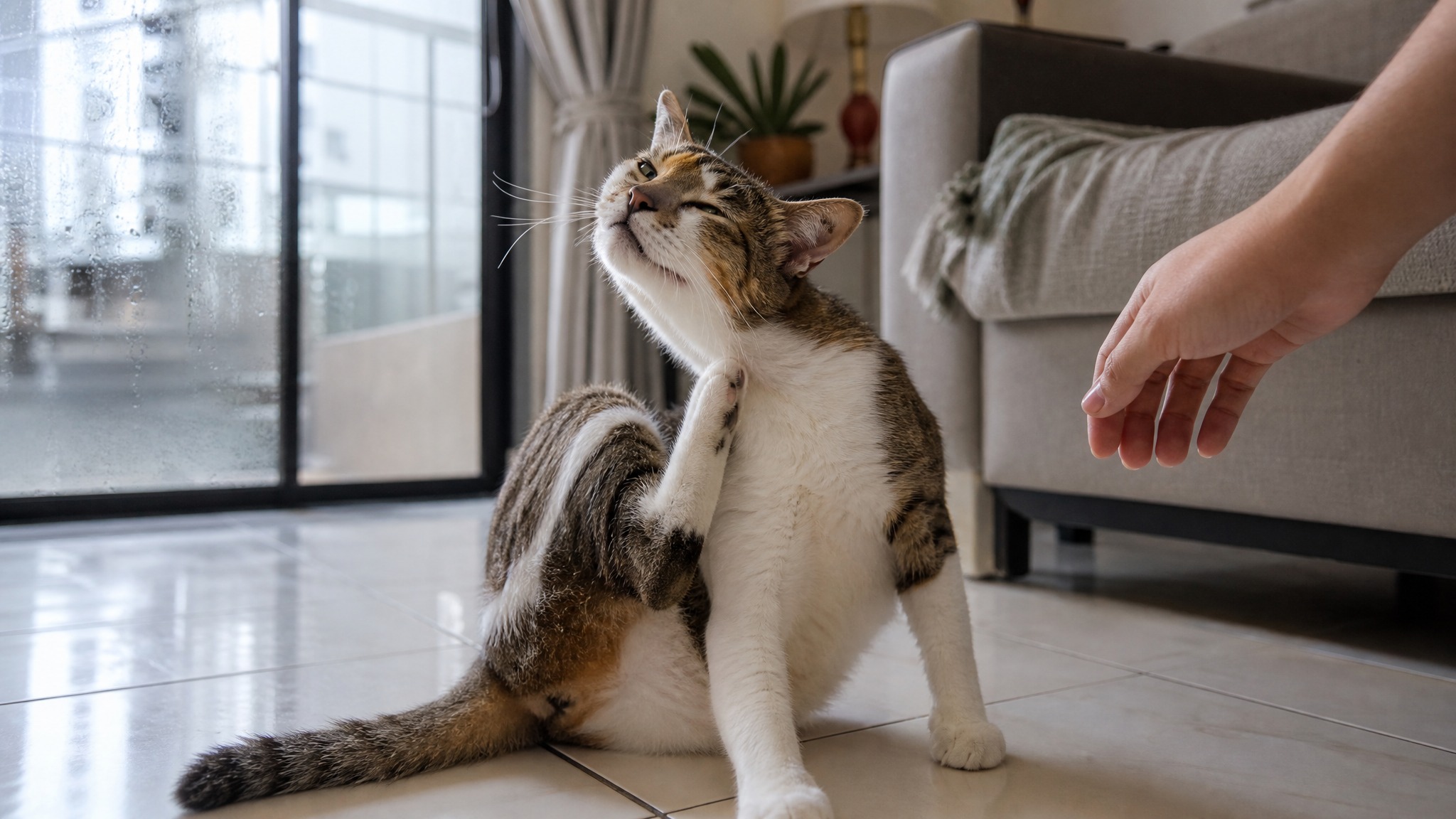
Why an Itchy Cat Is Common in Malaysia’s Humid Weather
If you have been searching for cat itchy Malaysia, you are definitely not alone. Many cat owners in Malaysia notice their cats scratching more often, especially during hot, humid months when skin issues and parasites tend to flare up. Our weather creates a comfortable environment not just for cats, but also for fleas, mites, and fungal organisms that can make a cat’s skin very uncomfortable.
Humidity can also make your cat’s coat stay damp longer after grooming, bathing, or lying on cool floors and balconies. In condos and landed homes alike, poor airflow, dusty corners, and soft furnishings can trap allergens and create the perfect conditions for itch triggers. Even fully indoor cats are not completely protected, because parasites and irritants can still come in through shoes, laundry, visitors, or other pets.
Another reason cat itchy Malaysia is such a common concern is that many skin problems look similar at the start. A cat may begin with mild scratching around the ears or neck, then develop overgrooming, scabs, dandruff, or small bald patches. Because the signs can overlap, it helps to know the most likely causes before trying random products at home.
The Most Common Causes of Scratching
1. Fleas
Fleas are one of the most common reasons a cat becomes itchy in Malaysia. Warm temperatures and humidity allow flea life cycles to continue easily, especially in homes with rugs, sofas, bedding, and shaded outdoor areas. A single flea bite can trigger intense irritation, and some cats are especially sensitive to flea saliva.
You may not always see live fleas straight away, especially in cats that groom a lot. Instead, you might notice tiny black specks known as flea dirt, scratching around the neck and lower back, or small red bumps with scabs. In homes where cats move between indoors and outdoors, the risk is even higher, but indoor-only cats can still pick up fleas from the environment.
2. Mites
Mites are another common cause behind cat itchy Malaysia searches. Ear mites can cause strong itching around the ears, frequent head shaking, and dark debris inside the ears that looks like coffee grounds. Other mites can affect the skin and lead to crusting, hair loss, or general irritation.
Mites are more likely to spread between animals in multi-pet households or from strays that come close to your home. In some cases, the itching can look very similar to allergy or fungal issues. Because different mites need different treatment, guessing at home often delays proper relief.
3. Allergies
Allergies in cats can come from food, fleas, dust, mould, cleaning products, or environmental triggers. In Malaysia, indoor humidity can worsen mould growth and dust mite levels, especially in corners, curtains, mattresses, and fabric cat beds. Some cats also react to perfumed litter, harsh floor cleaners, or strongly scented sprays used around the house.
Allergy-related itching may show up as repeated licking of the belly, chewing paws, scratching the face, or recurring ear irritation. It may come and go, or become worse after changes in food, home products, or weather. Because allergy signs are often chronic, owners sometimes assume the cat is “just grooming,” when in fact the skin is already inflamed.
4. Fungus
Fungal infections, including ringworm, are another possibility when your cat is scratching or losing fur. Despite its name, ringworm is not a worm but a fungal infection that can spread through direct contact, contaminated surfaces, or shared items like blankets and brushes. Humid conditions can make fungal problems harder to clear if the home environment is not cleaned properly.
Typical signs include circular hair loss, flaky skin, crusty patches, or broken fur around the face, ears, paws, and body. Some cats itch a lot, while others show more hair loss than scratching. Because ringworm can also spread to people, especially children and those with sensitive skin, early veterinary advice is important.
5. Dry Skin
Not all itching comes from parasites or infection. Some cats develop dry, flaky skin due to low-quality diets, inadequate grooming support, frequent bathing, or skin sensitivity to products. Air-conditioned rooms can also contribute to dryness in some cats, especially if the skin barrier is already weak.
Dry skin often appears as dandruff, mild flaking, or a rough coat rather than severe red sores. However, when a cat keeps scratching dry areas, the skin can break and become infected secondarily. That is why even “mild” itchiness should not be ignored if it continues for more than a few days.
How to Check Your Cat Safely at Home Without Making the Skin Worse
If you are trying to understand a cat itchy Malaysia situation at home, start with a calm visual check rather than excessive touching. Choose a quiet time when your cat is relaxed, and gently part the fur around the neck, back, belly, ears, and tail base. Look for black specks, redness, scabs, bald spots, flakes, unusual smell, or moist areas.
Use natural daylight if possible, because skin changes are easier to spot than under warm indoor lighting. You can also place your cat on a white towel and comb lightly with a flea comb, especially around the neck and back. If black specks fall onto the towel and turn reddish-brown when dampened, flea dirt may be present.
Do not scrub, pick at scabs, or apply random human creams, essential oils, or medicated shampoos without advice. Many products that seem harmless can irritate cats further, and some ingredients are unsafe for them. Avoid over-bathing as well, because frequent washing can worsen dryness and remove the natural oils that protect the skin.
It also helps to check your home environment. Wash bedding, vacuum sofas and corners, and inspect places where your cat naps most often. If your cat lives in a landed home or has balcony access in a condo, think about whether insects, dust, or contact with outdoor animals may be contributing to the problem.
Warning Signs That Mean You Should See a Vet Soon
Some itching can wait a short time for observation, but certain symptoms mean your cat should see a vet sooner rather than later. If there is bleeding, open wounds, swelling, pus, strong odour, or rapidly spreading hair loss, professional treatment is important. These signs may point to infection, severe allergy, mites, or fungal disease that will not improve with guesswork.
You should also book a vet visit if your cat seems restless, stops sleeping comfortably, becomes less active, or changes eating habits because of discomfort. Excessive scratching can affect mood and routine more than many owners realise. A cat that constantly licks or scratches may be dealing with ongoing pain or deep irritation, not just a minor itch.
Ear-related signs deserve extra attention. If your cat keeps shaking its head, cries when the ears are touched, or has dark discharge, there may be ear mites or infection. Delaying care can make the condition much harder to treat and may lead to more serious inflammation.
If you have multiple pets and more than one starts scratching, see a vet quickly. Contagious causes like fleas, mites, or fungus can spread across the household fast. This is especially relevant for cat itchy Malaysia homes where warm, enclosed environments can support repeated reinfestation if the issue is not handled properly.
What Cat Owners in Malaysia Can Do to Reduce Itch Triggers at Home
The best home strategy is prevention plus gentle observation. Keep your home clean and well-ventilated, especially soft surfaces where flea eggs, dust, and allergens may collect. Regular vacuuming, washing of cat beds, and routine cleaning of litter areas can make a real difference in reducing irritants.
Choose unscented or low-dust products where possible, especially for litter, laundry detergents, and floor cleaners used in areas your cat frequents. Strong fragrance may smell “clean” to humans but can bother sensitive cats. For owners comparing products on Shopee or Lazada, it is worth reading reviews carefully for dust level, scent strength, and suitability for sensitive skin.
Nutrition also matters. A balanced diet supports skin health, coat quality, and the natural barrier that protects against irritation. If your cat has repeated skin problems, speak with a vet about whether food sensitivity could be playing a role before changing diets too often on your own.
Consistent parasite prevention is one of the most useful steps for households dealing with cat itchy Malaysia concerns. Even if you do not see fleas, preventive care may still be needed because fleas are small, fast, and easy to miss. In Malaysia’s climate, prevention usually works better than waiting until the scratching becomes obvious.
Finally, keep your cat’s nails trimmed appropriately and provide clean resting spots that are easy to wash. This helps reduce skin damage from scratching and keeps the environment less likely to trap allergens or pests. Small routines at home can lower itch triggers significantly, especially when combined with early veterinary advice for recurring cases.
FAQ
Why is my indoor cat still so itchy in Malaysia?
Indoor cats can still be exposed to fleas, dust mites, mould, cleaning products, and fungal spores. Parasites and irritants can enter through shoes, windows, shared corridors, visitors, or other pets. That is why cat itchy Malaysia problems are not limited to outdoor cats.
Can I use human anti-itch cream on my cat?
No, it is not recommended unless a vet specifically tells you to do so. Many human creams contain ingredients that are unsafe for cats or can worsen irritation if licked off. It is better to identify the cause first rather than cover the symptoms.
How do I know if my cat has fleas if I cannot see any?
You may notice flea dirt, small scabs, repeated scratching around the neck or tail base, or excessive grooming. Use a flea comb over a white towel and look for dark specks. If the specks turn reddish-brown when damp, fleas are likely involved.
Is fungal infection in cats dangerous to humans?
Some fungal infections, such as ringworm, can spread to people. If your cat has circular bald spots, flaky skin, or crusty lesions, avoid sharing bedding and wash hands after handling. A vet can confirm the diagnosis and advise on home cleaning steps.
When should I worry about my cat scratching too much?
You should worry if the scratching is frequent, causes hair loss, creates wounds, affects sleep or appetite, or comes with ear discharge, smell, or skin redness. If it lasts more than a few days or gets worse quickly, a vet visit is the safest next step.
If your cat has sensitive skin or keeps reacting to the home environment, the right everyday products can make care much easier. Choosing gentle cat supplies like low-dust litter, washable bedding, flea combs, and easy-to-clean feeding accessories helps reduce common itch triggers while supporting a cleaner home. If you are comparing options for your routine, explore practical cat supplies and helpful cat care content designed for Malaysian cat owners, so you can build a setup that is more comfortable for both you and your cat.
延伸閱讀
- Why Is My Cat Panting? Heat Stress and Dehydration Warning Signs in Malaysia
- Cat Skin Problems in Malaysia: Is Humidity Causing Itching, Dandruff or Hot Spots?
- Cat Food and Litter in Malaysia: What to Check Before Buying for Humid Homes
Last updated:2026-06-03 by CatGarden
CatGarden Deodorizing Mineral Cat Litter 3.0