
▶Cat Column, Nutrition eating guide
Should You Get a Second Cat? A Practical Guide for Malaysian Homes
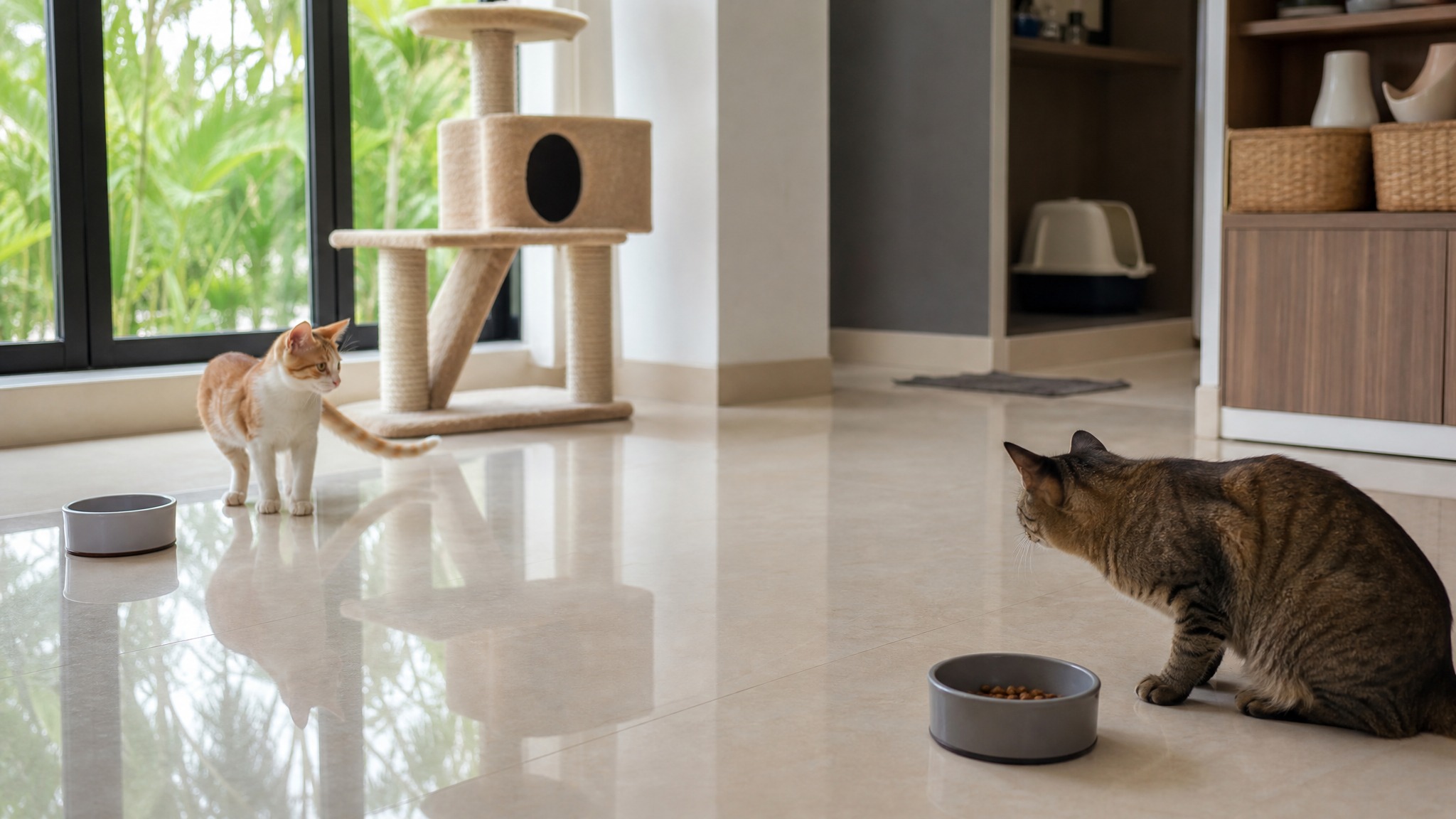
Should You Get a Second Cat? A Practical Guide for Malaysian Homes
Thinking about adding another cat to your household sounds exciting, but it is not always the right move for every home. If you are researching second cat Malaysia, the real question is not just whether you want another cat, but whether your current cat, your space, and your daily routine can support one more furry housemate.
In Malaysia, this decision comes with a few practical considerations. Our humid weather affects odour control, fleas can spread quickly, and many cat owners live in condos or smaller landed homes where space needs to be managed carefully. A second cat can bring companionship and play, but it can also lead to stress, fighting, or litter box issues if you rush the process.
How to Tell If Your Cat Actually Wants a Companion
Many people assume that a lonely-looking cat automatically needs a friend, but cats do not always think that way. Some cats are social and curious, while others are happiest having their own territory, routine, and favourite sleeping spots without sharing them. Before deciding on a second cat Malaysia setup, look at your cat’s behaviour rather than your own expectations.
A cat that may adapt well to a companion usually shows interest in other cats from a distance, recovers well from changes, and enjoys interactive play. Younger cats and kittens often have more flexible social behaviour, especially if they were well-socialised early. If your cat is energetic, constantly asking for play, and seems bored even with enrichment, another cat may sometimes help.
On the other hand, a cat that hides from visitors, reacts strongly to new smells, or becomes upset when furniture is moved may find another cat overwhelming. Senior cats can also be more territorial and less tolerant of a newcomer. If your current cat already has stress-related habits like overgrooming, appetite changes, or spraying, getting a second cat may worsen the situation rather than solve it.
Signs your cat may benefit from a companion
- Often seeks play and seems under-stimulated
- Shows curiosity instead of panic around other cats
- Is still young and adaptable
- Has a history of living peacefully with other cats
Signs you should be cautious
- Territorial behaviour such as guarding rooms or litter boxes
- Frequent hiding, fearfulness, or stress responses
- Medical or behavioural issues already under management
- A strong preference for routine and quiet spaces
When a Second Cat Can Help and When It Can Make Things Worse
A second cat can be a great match when your first cat has compatible energy, your home has enough room, and you can manage a proper introduction. For many owners looking up second cat Malaysia, the biggest hope is companionship during working hours. That can happen, especially in homes where both cats are similar in age, temperament, and play style.
It can also help active cats burn energy in a healthy way. Two cats that get along may groom each other, play chase, and rest together, reducing boredom-related mischief. In some Malaysian homes where people work long office hours and traffic keeps them out late, this extra feline interaction can be helpful.
But a second cat is not a cure for every problem. If your current cat is bored because of a lack of toys, climbing spaces, or owner interaction, another cat may simply add more tension. If the first cat is anxious, sick, or already defensive about food and litter access, the new arrival can create competition instead of comfort.
Financially, it is also important to think beyond adoption fees. Two cats mean more cat food Malaysia budgeting, more pasir kucing, more vet visits, and stronger focus on odour and flea control in humid conditions. If you are comparing costs on Shopee or Lazada, remember that cheaper items are not always the best long-term choice, especially for litter, parasite prevention, and food quality.
What to Prepare in a Malaysian Home Before Bringing Home Another Cat
Preparation matters more than many people realise. A successful second cat Malaysia plan starts with creating enough resources so that neither cat feels forced to compete. In general, you should have separate food bowls, water stations, resting areas, scratching spots, and at least one more litter box than the total number of cats.
For two cats, that usually means at least three litter boxes placed in different locations. This is especially important in condos or smaller homes, where trapped odours and blocked access can lead to litter avoidance. In Malaysia’s humid weather, choose cat litter that manages smell well and scoop frequently so the home stays comfortable for both cats and humans.
You should also prepare a dedicated safe room for the new cat. This room should include food, water, litter, bedding, and hiding spots, allowing the newcomer to settle in without direct pressure. It does not need to be huge, but it should feel secure and quiet, especially if your home is busy or has children.
Parasite control is another major issue in local conditions. If your cats have any exposure to corridors, balconies, gardens, or outdoor areas, fleas can become a problem fast. Before bringing home another cat, make sure both cats are on appropriate flea prevention, and wash bedding regularly because Malaysia’s warm climate can make infestations harder to control once they start.
Checklist before bringing home cat number two
- One safe room for the new cat
- At least three litter boxes for two cats
- Separate food and water stations
- Extra scratching posts and resting spots
- Flea prevention and basic cleaning supplies
- A plan for slow introduction over days or weeks
How to Introduce Two Cats Slowly Without Forcing Contact
The biggest mistake people make when pursuing a second cat Malaysia household is expecting the cats to “work it out” immediately. Cats usually do better with gradual exposure. Start by keeping the new cat in a separate room so both cats can smell and hear each other without direct confrontation.
After a day or two, begin scent swapping. You can exchange bedding, gently rub each cat with a soft cloth and place it near the other cat, or rotate access to different rooms. This helps both cats process the other’s presence in a lower-stress way.
Next, use controlled visual contact. A slightly open door, gate, or covered barrier can allow them to see each other briefly while staying physically separate. Pair these moments with treats, meals, or play so each cat starts to associate the other’s presence with something positive.
Only move to supervised face-to-face sessions when both cats seem calmer. Keep these sessions short and end them before tension rises. Hissing or staring can happen at first, but repeated lunging, swatting, and blocking behaviour mean you need to slow down and return to an earlier step.
Good signs during introduction
- Sniffing without prolonged tension
- Eating near the barrier calmly
- Curious body language with relaxed tails and ears
- Ability to disengage and walk away
Warning signs to watch closely
- Persistent growling or deep vocalising
- Stalking, cornering, or doorway blocking
- Litter box avoidance after contact starts
- Reduced appetite or hiding for long periods
Common Mistakes That Lead to Fighting, Stress, and Litter Box Problems
One common mistake is adopting based only on looks or sympathy, without considering personality match. A playful young cat may overwhelm a quiet senior cat, even if both are individually friendly. If you are serious about the second cat Malaysia decision, matching temperament is often more important than breed or colour.
Another mistake is not having enough vertical or private space. In condos especially, cats need shelves, cat trees, window perches, or quiet corners where they can avoid each other. When they cannot create distance, even small disagreements can grow into daily stress.
Litter box setup is another major trigger. Putting all litter boxes side by side defeats the purpose because one cat can still guard the whole area. In humid homes, dirty boxes become unpleasant quickly, so regular scooping and quality cat litter make a big difference in preventing accidents outside the box.
Owners also sometimes punish hissing or growling, but that usually backfires. These behaviours are communication, not bad behaviour. Instead of scolding, reduce the pressure, separate the cats if needed, and return to a slower introduction pace.
Lastly, do not assume friendship must look a certain way. Some successful cat pairs sleep together and groom each other, while others simply coexist peacefully with clear boundaries. For many second cat Malaysia homes, the goal should be a stable, low-stress relationship rather than forcing them to become best friends.
Final Thoughts
Getting a second cat can be rewarding, but only when the decision is made with your current cat’s personality, your home layout, and your daily routine in mind. In Malaysia, practical details like humidity, odour control, parasite prevention, and space management matter a lot more than many first-time multi-cat owners expect.
If you are planning a second cat Malaysia home, focus on preparation first: enough litter boxes, separate feeding areas, safe introductions, and the right supplies to reduce stress from day one. If you need to stock up on essentials like cat litter, feeding bowls, scratchers, flea-care basics, or other cat supplies, it helps to compare reliable options before the new cat arrives so your setup is ready from the start.
FAQ
1. How long does it take for two cats to get along?
It depends on the cats. Some adjust within a few days, while others need several weeks or even a few months. A slower introduction usually gives better long-term results than rushing contact.
2. Is it better to get a kitten or an adult as the second cat?
Not always. Kittens are often more adaptable, but their energy can annoy an older resident cat. The better choice is usually the cat whose temperament and play style best match your current cat.
3. How many litter boxes do I need for two cats?
The usual recommendation is three litter boxes for two cats. Place them in separate locations so one cat cannot easily guard them all, and keep them clean to prevent accidents.
4. Can two cats share food and water bowls?
It is better to provide separate bowls, especially in the early stages. This reduces competition and helps you monitor each cat’s appetite more accurately.
5. Will a second cat stop my first cat from feeling lonely?
Sometimes, but not always. Some cats enjoy company, while others feel more stressed by another cat in their territory. Enrichment, playtime, and routine are still important even in a two-cat home.
6. What supplies should I buy before bringing home a second cat?
Prepare extra litter boxes, cat litter, food and water bowls, bedding, scratching posts, toys, and cleaning supplies. In Malaysia, good odour control and flea prevention are especially useful because of the warm, humid climate.
延伸閱讀
- How to Help a Cat Adjust to a New Apartment in Malaysia
- Why Is My Cat Suddenly Attacking Me? Common Behaviour Triggers in Malaysian Homes
- Why Is My Cat So Itchy? Common Causes of Scratching in Malaysia and When to See a Vet
Last updated:2026-06-03 by CatGarden
CatGarden Deodorizing Mineral Cat Litter 3.0