
▶Cat Column, Nutrition eating guide
How to Help a Cat Adjust to a New Apartment in Malaysia
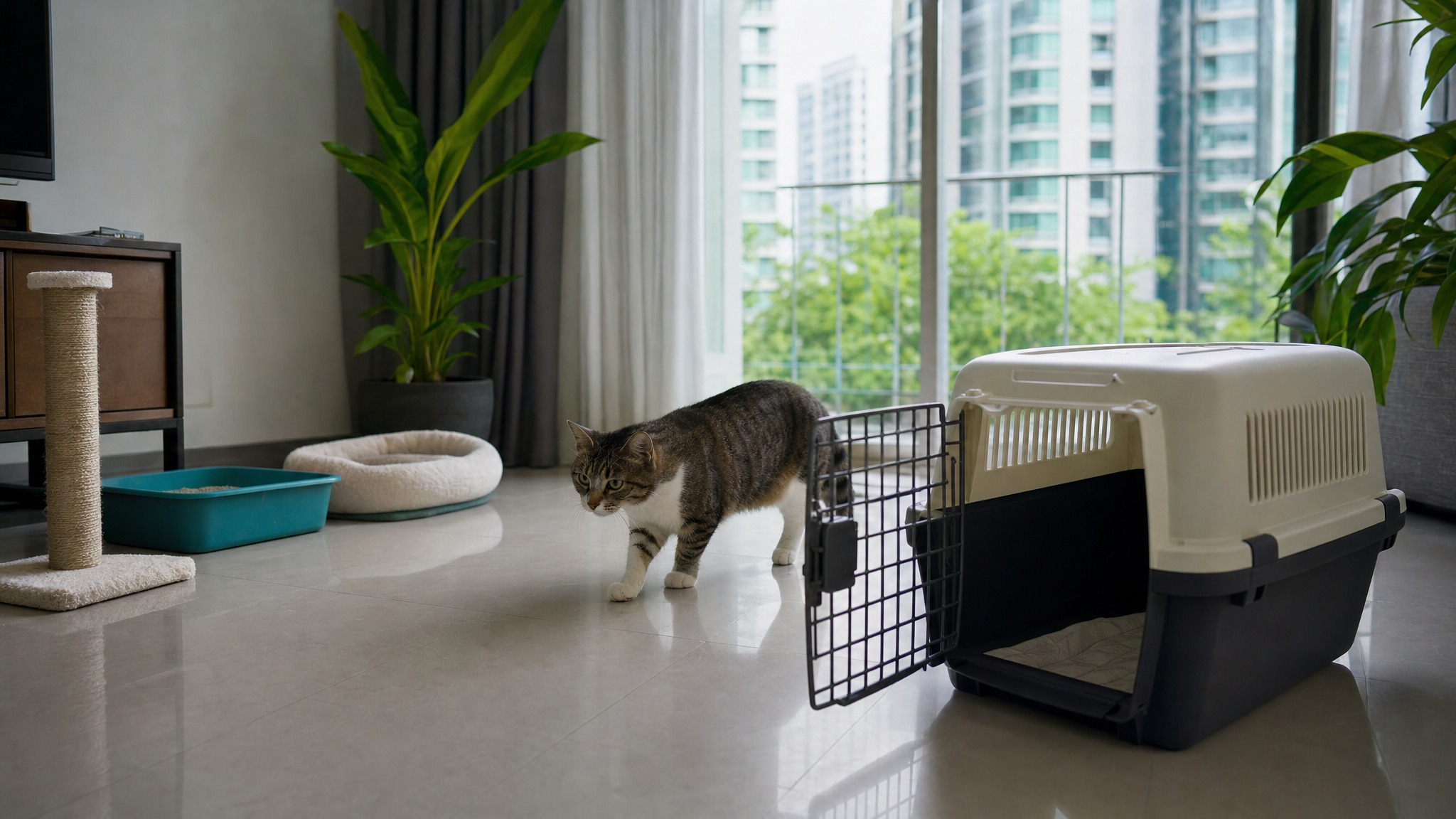
How to Help a Cat Adjust to a New Apartment in Malaysia
Moving house is already tiring for people, but for cats, it can feel much more intense. A new apartment means unfamiliar smells, different sounds, new hiding spots, and a routine that suddenly changes overnight. If you are dealing with a cat new apartment transition in Malaysia, it helps to understand that your cat is not being difficult — it is simply trying to feel safe again.
In Malaysia, apartment living often comes with extra challenges such as lift noise, corridor traffic, nearby construction, humid weather, and limited ventilation in some units. These factors can affect your cat’s appetite, litter habits, and comfort level during the first days after moving. With the right setup and practical cat supplies, most cats can settle in much faster and with less stress.
Why Moving Is Stressful for Cats in Malaysian Apartments
Cats rely heavily on territory and scent to feel secure. When you move into a new place, all the familiar scent markers from your old home disappear, and your cat has to start from zero. That is why a cat new apartment situation often leads to hiding, vocalising, reduced appetite, or even litter box problems in the first few days.
Malaysian apartments and condos can also feel overstimulating for cats. There may be sounds from motorbikes outside, neighbours in the hallway, elevator dings, or renovation work in nearby units. In humid weather, odours also build up faster, so if litter management is not handled well, your cat may feel even more uneasy about using the box.
For cats that previously lived in a landed home, the transition can be harder if they were used to more space, outdoor views, or natural airflow. For kittens or rescue cats, the new environment may be their biggest change yet. That is why planning a cat new apartment move properly is not just helpful — it can prevent behavioural issues from developing later.
Stress can also show up physically. Some cats groom too much, some stop eating, and others become more sensitive to heat or fleas after a move. In Malaysia’s climate, paying attention to comfort, cleanliness, and parasite prevention is especially important during the adjustment period.
What to Prepare Before Your Cat Enters the New Home
Before bringing your cat into the apartment, set up the essentials first. Do not let your cat walk into a noisy, half-unpacked home with boxes everywhere and no safe place to rest. The best approach is to prepare one quiet room with food, water, litter, bedding, and a hiding area before your cat arrives.
Use familiar items from the old home whenever possible. A blanket that smells like your cat, a favourite toy, or even an unwashed cushion can help transfer familiar scents into the new space. In a cat new apartment adjustment, familiar smell matters more than owners often realise.
Checklist Before Arrival
- Litter box with the same cat litter or pasir kucing your cat already knows
- Food and water bowls placed away from the litter area
- Carrier kept accessible, not hidden away immediately
- Bedding or blanket carrying familiar scent
- Scratcher or cat tree for scent marking and stress relief
- Cleaning supplies for accidents, preferably enzyme-based
- Flea control and grooming basics if your cat has any outdoor exposure history
Check the apartment carefully for escape risks. Windows, balcony gaps, service yard openings, and loose grille spaces can be dangerous, especially in condos. Malaysian high-rise living requires extra caution because a scared cat may run, squeeze into small spaces, or try to jump toward a ledge.
It also helps to manage temperature and airflow before your cat enters. If the room feels stuffy, smells strongly of paint, or has been recently cleaned with harsh chemicals, ventilate it first. In Malaysia, heat and humidity can increase stress, so a cool and clean room makes a big difference from day one.
The First 7 Days: How to Set Up a Safe Room and Routine
For the first week, keep your cat in one room instead of giving full access to the whole apartment. This “safe room” should be quiet, easy to monitor, and away from the main entrance. In a cat new apartment setup, a smaller controlled area helps your cat build confidence gradually instead of feeling overwhelmed by too much space.
Do not force interaction on day one. Let your cat come out of the carrier on its own, explore slowly, and hide if needed. Sitting quietly in the room, speaking softly, and offering a small amount of familiar food is usually more effective than trying to coax your cat out too quickly.
A Simple 7-Day Routine
Day 1-2: Keep everything very predictable. Feed at the same times, scoop the litter often, and avoid inviting visitors to see the cat. Too much attention can increase fear, especially if your cat is already hiding.
Day 3-4: If your cat is eating, using the litter box, and showing curiosity, start short play sessions with a wand toy. This helps release tension and creates positive associations with the room. You can also begin letting your cat investigate outside the room for a few minutes under supervision.
Day 5-7: Expand access gradually if your cat seems relaxed. Keep one base room available at all times so your cat has a place to retreat. Many owners make the mistake of opening the whole apartment too early, which can slow down the cat new apartment adjustment instead of helping it.
Routine matters more than perfection. Feed on time, keep water fresh, scoop litter daily, and maintain a calm atmosphere. In Malaysian homes where family schedules can be busy, even a basic but consistent routine helps cats feel more secure.
Common Problems After a Move: Hiding, Meowing, Not Eating and Litter Accidents
Hiding is one of the most normal behaviours after moving. Your cat may stay under the bed, behind boxes, or inside a cabinet for hours or even a couple of days. As long as your cat is breathing normally, not showing signs of pain, and is at least eating a little, hiding alone is not usually a reason to panic.
Meowing often increases at night, especially in a new apartment. Your cat may be responding to corridor sounds, unfamiliar lighting, or simply calling out because the environment feels strange. Try to avoid rewarding constant night meowing with sudden food or dramatic attention, but do check that your cat has access to water, litter, and a secure resting area.
If Your Cat Is Not Eating
Some cats eat less for the first 24 hours after a move, but do not ignore prolonged food refusal. Offer the same food your cat was already eating, whether that is dry food, wet food, or a mix. In Malaysia, strong-smelling wet food can sometimes encourage appetite better in a stressful cat new apartment transition, especially if the room is cool and quiet.
If your cat refuses food for more than a day, especially if it also seems weak or vomits, contact a vet. Cats should not go too long without eating. Sudden appetite loss after moving may be stress-related, but it can also reveal an underlying health issue.
Litter Box Accidents
Litter accidents are common after a move, particularly if the litter type has changed. Stick to the same cat litter or pasir kucing brand if possible, and keep the box in a quiet area. In humid Malaysian apartments, odour builds up quickly, so frequent scooping is important if you want your cat to keep using the litter box confidently.
If your cat urinates outside the box, clean the area thoroughly with an enzyme cleaner. Do not use strong-smelling cleaners that may irritate your cat or encourage repeat marking. If accidents continue beyond the first week, review litter box size, location, cleanliness, and whether your cat is feeling secure enough in the new environment.
Best Cat Supplies to Help Your Cat Settle Faster
The right products can make a big difference in helping a cat feel safe after moving. You do not need to buy everything at once, but a few well-chosen items can support comfort, cleanliness, and routine. If you are planning for a cat new apartment move, focus first on the basics your cat will use every day.
Start with a good litter setup, reliable food, and a stable resting spot. In Malaysia, many pet owners compare options on Shopee or Lazada, but it is worth checking quality carefully instead of choosing only by price. Products that work well in humid weather — especially for odour control and flea prevention — are often the most useful in local apartments.
Helpful Cat Supplies for a New Apartment
- Odour-control cat litter: Useful in smaller condo spaces where smells build up faster
- Covered or high-sided litter box: Helps contain scatter if your cat digs a lot
- Wet and dry food: A mix can support hydration and appetite
- Scratching post or scratcher: Helps your cat mark territory safely
- Comfort bed or enclosed hideout: Gives nervous cats a secure rest area
- Flea comb or vet-approved flea control: Important if your cat came from a landed house or mixed indoor-outdoor environment
- Mat for litter area: Helps reduce tracking in compact apartment layouts
- Food storage container: Keeps makanan kucing fresher in humid weather
You may also want to add a water fountain if your cat does not drink enough from a bowl. In warmer Malaysian weather, hydration matters, especially when stress reduces appetite. A scratcher near the resting area and another near the room entrance can also help your cat feel like the new apartment belongs to it.
If your cat is sensitive or easily stressed, avoid changing too many products at once. A new home is already a major adjustment, so keeping food, litter, and sleeping items familiar can reduce anxiety. Once your cat is settled, you can slowly test new cat supplies that better suit your apartment setup and budget.
If you are preparing for a cat new apartment move in Malaysia, start with simple essentials that support comfort, cleanliness, and routine. The goal is not to make the home perfect overnight, but to help your cat feel safe step by step. For practical picks like cat litter, food bowls, scratchers, and other everyday cat supplies, explore options that suit Malaysian apartment living, humid weather, and your cat’s habits. Choosing the right basics early can make the first week much smoother for both you and your cat.
FAQ
How long does it take for a cat to adjust to a new apartment?
Some cats settle within a few days, while others may need two to four weeks. Personality, age, previous living environment, and how the move was handled all affect the adjustment time. A calm setup and consistent routine usually help speed things up.
Should I let my cat explore the whole apartment on the first day?
Usually no. It is better to start with one safe room and expand access gradually. This helps reduce stress and prevents your cat from hiding in hard-to-reach places.
Why is my cat not using the litter box after moving?
Stress, unfamiliar litter, poor box placement, or odour buildup can all contribute. Use the same litter as before, place the box in a quiet area, and clean it frequently. If accidents continue, consult a vet to rule out medical issues.
Is it normal for a cat to stop eating after moving?
It can be normal for a cat to eat less during the first 24 hours. However, if your cat refuses food for more than a day, seems lethargic, or shows other symptoms, contact a vet promptly. Cats should not go too long without eating.
What cat supplies are most important for apartment living in Malaysia?
The basics are a good litter box, odour-control cat litter, familiar food, fresh water setup, a scratcher, and a safe resting area. In Malaysia, many owners also prioritise humidity-friendly storage, odour control, and flea prevention.
延伸閱讀
- Why Is My Cat Suddenly Attacking Me? Common Behaviour Triggers in Malaysian Homes
- Why Is My Cat Panting? Heat Stress and Dehydration Warning Signs in Malaysia
- Is Your Cat Not Drinking Water? Easy Ways to Increase Hydration in Malaysia’s Hot, Humid Homes
Last updated:2026-06-02 by CatGarden
CatGarden Deodorizing Mineral Cat Litter 3.0