▶Cat Column, Everyday beauty care
Why Many Cats in Malaysia Keep Getting Digestive or Urinary Problems
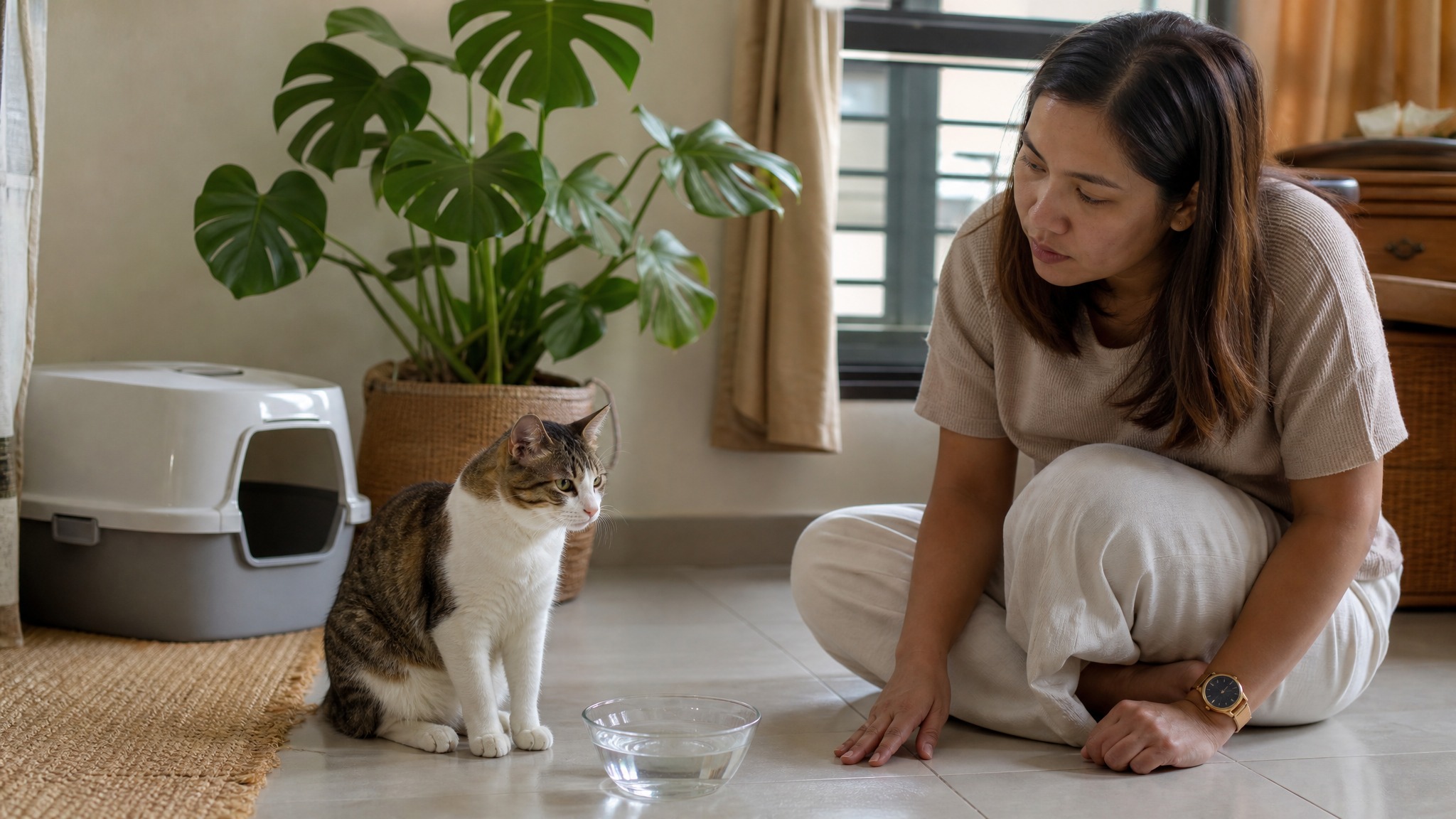
Why Digestive and Urinary Problems Often Appear Together in Cats
Many cat owners in Malaysia notice a confusing pattern: a cat starts with vomiting, poor appetite, or constipation, then suddenly shows signs of litter box trouble too. This happens because the digestive system and urinary system are closely linked through hydration, appetite, stress, and overall body balance. When a cat eats less, drinks less, or feels unwell, both systems can be affected at the same time.
In practical terms, a dehydrated cat may develop harder stools, become constipated, and also produce more concentrated urine. Concentrated urine can irritate the bladder and increase the risk of cat urinary problems, especially in cats that already dislike drinking water. If the cat also feels nausea or abdominal discomfort, it may avoid the litter box or strain more, making the situation look worse very quickly.
Stress is another reason these issues overlap. A stressed cat may stop eating properly, groom less, hide more, and visit the litter box less often. In Malaysian homes, this can happen after moving house, changing food suddenly, introducing a new pet, or even changing the type of pasir kucing too quickly.
Because cats are very good at hiding pain, early digestive and urinary changes are often subtle. Owners may only notice that the stool looks different, the pee clumps are smaller, or the cat sits in the tray longer than usual. These small signs matter, because early attention can help prevent mild discomfort from turning into more serious cat urinary problems or gut-related illness.
Common Causes in Malaysian Homes: Hydration, Diet Changes, Stress and Litter Habits
1. Low Water Intake in a Hot, Humid Climate
Malaysia is hot and humid all year, but that does not mean every cat drinks enough. Many indoor cats, especially those eating mostly dry food, still take in too little water. Air-conditioned condo living can also dry the environment, while some cats simply dislike stagnant water bowls.
Low water intake can lead to concentrated urine, which is one of the common drivers behind cat urinary problems. At the same time, poor hydration can make stools dry and difficult to pass. This is why a cat that seems “just a bit constipated” may also be at higher risk for bladder irritation or urinary discomfort.
2. Sudden Food Changes and Sensitive Digestion
Many owners buy cat food Malaysia listings online after comparing Shopee or Lazada reviews, but switching too fast can upset a cat’s stomach. A sudden change from one formula to another may trigger vomiting, soft stool, gas, or refusal to eat. Some cats are especially sensitive to richer wet food, new proteins, or treats given in large amounts.
When digestion is upset, a cat may eat less and drink less, which indirectly affects the urinary tract too. A reduced appetite often means lower total moisture intake, especially in cats that depend on wet food for hydration. Over time, this can contribute to cat urinary problems, particularly in male cats or those with a history of litter box straining.
3. Stress in Condo and Landed Homes
Stress is often underestimated. In condos, cats may be disturbed by renovation noise, neighbour sounds, limited space, or a litter box placed too near appliances. In landed homes, outdoor exposure, unfamiliar cats, insects, or irregular routines can also increase stress levels.
Stress affects both gut movement and bladder behaviour. Some cats develop diarrhoea during stressful periods, while others hold urine longer because they feel unsafe using the litter box. Over time, this pattern can worsen cat urinary problems and make digestive symptoms harder to resolve.
4. Poor Litter Box Setup and Dirty Trays
Litter habits matter more than many owners realise. If the tray is too small, too dirty, too scented, or placed in a high-traffic area, a cat may avoid it. This can lead to holding urine too long, passing stool irregularly, or developing negative associations with elimination.
In Malaysia’s humid weather, odour builds up faster, especially in enclosed indoor spaces. This makes regular scooping and proper cat litter choice even more important. A cat that avoids the tray because of smell or discomfort may show signs that look like digestive issues, when in fact the litter setup is contributing to both bowel and cat urinary problems.
Warning Signs to Watch For: Vomiting, Diarrhoea, Constipation, Straining and Peeing Less
Not every episode of vomiting or soft stool is an emergency, but repeated symptoms should never be ignored. If your cat vomits more than once in a day, has ongoing diarrhoea, or stops eating, there is a real risk of dehydration. Once dehydration starts, both stool quality and urine output can change quickly.
Constipation is another important warning sign. If your cat enters the litter box often, passes only tiny hard stools, or cries while trying to pass stool, it needs attention. Owners sometimes confuse constipation with cat urinary problems because both can involve repeated litter box visits and straining.
For urinary symptoms, watch for small urine clumps, frequent squatting, licking the genital area, peeing outside the box, or signs of discomfort during urination. These may indicate bladder inflammation, crystals, or even a urinary blockage. A blockage is especially dangerous in male cats and can become life-threatening within hours.
It also helps to observe changes in behaviour. A cat with digestive pain or urinary discomfort may hide under furniture, stop jumping, become irritable, or sleep more than usual. In many Malaysian homes, owners first notice a change in litter box pattern before seeing obvious illness, so checking the tray daily is one of the simplest home monitoring habits.
- Digestive signs: vomiting, diarrhoea, constipation, poor appetite, bloating
- Urinary signs: straining, peeing less, blood in urine, frequent tray visits, peeing outside the box
- General signs: hiding, low energy, dehydration, vocalising, sudden aggression when touched
When a Cat Needs a Vet Urgently for Urinary or Digestive Symptoms
Some symptoms can wait for a same-day or next-day appointment, but others need urgent veterinary care. If your cat is straining to pee and producing little or no urine, this is an emergency. A urinary blockage can progress fast, and delaying treatment puts the cat at serious risk.
Repeated vomiting, severe diarrhoea, or complete refusal to eat for more than 24 hours also deserves prompt medical attention. Kittens, senior cats, and cats with previous kidney or bladder issues can deteriorate much faster than healthy adults. In these cases, what starts as mild digestive upset may quickly lead to dangerous dehydration and worsening cat urinary problems.
You should also seek urgent help if there is blood in vomit, stool, or urine; if the abdomen looks swollen; or if your cat seems weak, collapsed, or unusually cold. Cats that cry in the litter box, crouch constantly, or repeatedly go in and out of the tray without results should not be monitored at home for too long. It is safer to let a vet rule out obstruction, severe constipation, poisoning, infection, or pain.
Even when symptoms look mild, timing matters. A cat that is peeing less for one day, eating less for two days, and vomiting once or twice may not seem dramatic, but the combination is concerning. Because digestive and urinary signs often overlap, early treatment can prevent a more complicated problem later.
Useful Cat Supplies That May Support Hydration, Feeding Routine and Litter Box Monitoring
While supplies are not a replacement for veterinary care, the right setup can support prevention and make early warning signs easier to spot. For hydration, many cats drink more from a water fountain than from a still bowl. This can be especially useful in Malaysia, where warm indoor temperatures may make fresh circulating water more appealing.
Wet food bowls, measured feeding tools, and simple routine-based feeding can also help. If your cat has a sensitive stomach, avoiding frequent random treat changes is wise. Choosing suitable makanan kucing and introducing any new food gradually over 7 to 10 days may reduce digestive flare-ups that sometimes contribute to cat urinary problems.
Litter box supplies are just as important. Use a tray size your cat can turn around in comfortably, and scoop at least once or twice daily. Unscented cat litter is often better for sensitive cats, and clumping litter makes it easier to notice if urine output is decreasing.
In multi-cat homes, the general rule is one litter box per cat plus one extra. This helps reduce stress, competition, and inappropriate elimination. Good-quality cat supplies such as litter mats, odour control bins, spare trays, and easy-to-clean scoops make monitoring easier in both condo and landed homes.
Helpful Supplies to Consider
- Water fountain: encourages more frequent drinking
- Multiple water bowls: placed in different rooms
- Wet food storage lids or portion trays: supports a stable feeding routine
- Unscented clumping cat litter: easier to monitor urine clumps
- Large litter box: improves comfort and litter habits
- Litter mat and scoop: supports daily checking and hygiene
- Food transition plan: gradual change to reduce vomiting or diarrhoea
If your cat has had past digestive trouble or cat urinary problems, home observation is part of good care. Track how much your cat eats, drinks, pees, and passes stool every day. Small changes are often the earliest clues, and the right supplies make those changes easier to notice before they become emergencies.
Building a cat-friendly home does not need to be complicated or expensive. Start with basics that improve hydration, reduce stress, and keep litter box habits consistent. If you are comparing products online, focus on practical cat supplies that support daily routine, comfort, and easy monitoring rather than buying based on trends alone. For a better home setup, explore reliable cat supplies that can help you support your cat’s digestion, hydration, and litter box health more confidently.
FAQ
Why do digestive issues and urinary issues happen together in cats?
They often overlap because both systems are affected by hydration, stress, appetite, and pain. A cat that eats less or drinks less may become constipated and also produce more concentrated urine. Stress can also change both bowel movement and urination behaviour.
How can I tell if my cat is constipated or has urinary trouble?
Both can cause straining in the litter box, so it can be hard to tell. Look closely at whether your cat is trying to pass stool or urine, and check for stool output and urine clump size. If your cat is straining and little or no urine is coming out, see a vet urgently.
Can dry food cause cat urinary problems?
Dry food itself is not always the only cause, but cats on dry-heavy diets may take in less total moisture if they do not drink enough water. Low hydration can increase the risk of concentrated urine and bladder irritation. Adding more water sources or wet food may help, depending on your cat’s needs.
How often should I clean the litter box in Malaysia’s humid weather?
At least once or twice a day is ideal, especially in humid conditions where odour builds up faster. Regular cleaning helps encourage good litter habits and makes it easier to monitor urine and stool changes. A dirty tray may cause some cats to hold urine or avoid the box.
When should I worry about vomiting or diarrhoea?
If vomiting happens repeatedly, if diarrhoea lasts more than a day, or if your cat becomes weak, stops eating, or seems dehydrated, contact a vet. Kittens and senior cats can worsen faster. If digestive signs appear together with straining or reduced urination, do not wait too long.
延伸閱讀
- Why Is My Cat So Itchy? Common Causes of Scratching in Malaysia and When to See a Vet
- Why Is My Cat Panting? Heat Stress and Dehydration Warning Signs in Malaysia
- Cat Skin Problems in Malaysia: Is Humidity Causing Itching, Dandruff or Hot Spots?
Last updated:2026-06-04 by CatGarden
CatGarden Deodorizing Mineral Cat Litter 3.0