
▶Cat Column, Nutrition eating guide
How to Stop Your HDB Cat From Disturbing Neighbours: Noise, Smell, Windows, and Corridor Checks
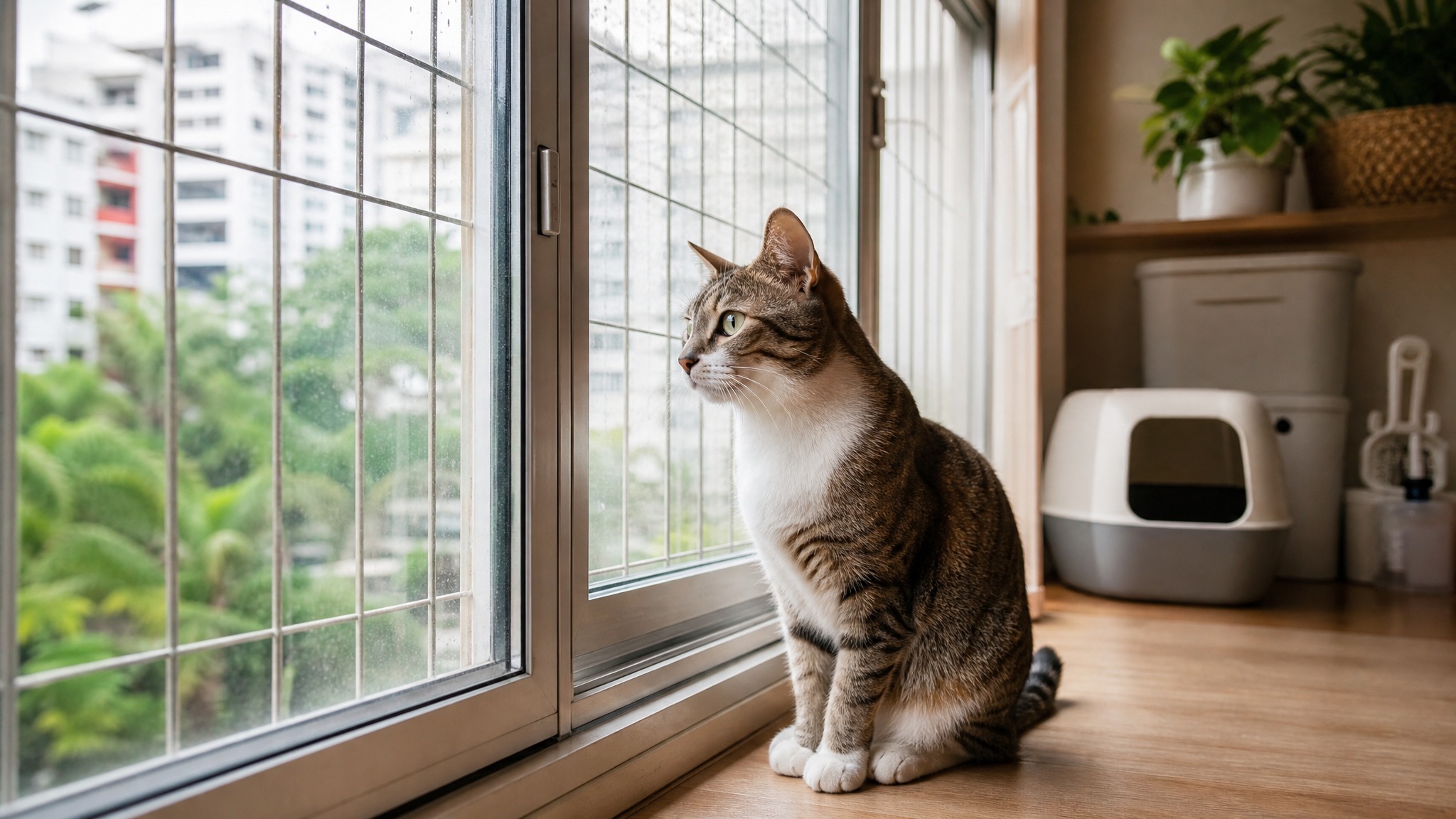
Why HDB Cat Complaints Usually Start at Home
Most HDB cat neighbours issues do not begin with a dramatic incident. They usually build up from small daily irritations: late-night noise, litter smell, loose fur near shared spaces, or a cat appearing at the gate too often. In a dense HDB block, even minor routines can affect the people living next door, above, or below. The good news is that most problems can be reduced with better setup, predictable routines, and regular checks.
Singapore flats also come with a few practical challenges for cat owners. Humid weather makes odour control harder, windows need to be managed carefully, and busy working owners may not notice behaviour changes until neighbours complain. Indoor cats can live well in HDB flats, but they need enough stimulation, clean resources, and safe boundaries. A responsible owner is not just caring for the cat, but also keeping the home comfortable for everyone nearby.
Think Like a Neighbour
Before a complaint happens, walk through your home as if you were the person next door. Can you smell the litter area from the corridor when the door opens? Does your cat scratch the main door loudly at night? Are food bowls attracting ants or creating a sour smell in warm weather? These small checks help prevent HDB cat neighbours concerns before they become repeated complaints.
Noise Triggers: Night Zoomies, Meowing, and Door Scratching
Cats are naturally more active during dawn and dusk, so night zoomies are common in HDB flats. The issue is not that a cat runs, but that running across hard floors can sound much louder to neighbours below. If your cat tends to sprint after midnight, try adding a strong play session before your own bedtime. Wand toys, chase games, and food puzzles can help release energy earlier in the evening.
Meowing can also become a neighbour issue when it is repeated, sharp, or happens near the main door. Some cats meow because they are bored, hungry, anxious, or responding to sounds outside the flat. Avoid rewarding constant meowing with immediate food every time, as this can train the cat to be louder. Instead, build a predictable feeding routine and give attention when the cat is calm.
Door Scratching and Gate Fixation
Door scratching is one of the more noticeable HDB cat neighbours triggers because the sound travels through the entrance area. Cats may scratch the door because they want to explore the corridor, hear people walking past, or smell another animal nearby. Place a scratching post or mat near the entrance so the cat has a better target. If the cat camps at the door, redirect with toys, a treat puzzle, or a perch placed away from the gate.
For very active cats, add vertical space instead of only buying more floor toys. A cat tree, window perch, or wall shelf gives the cat more territory inside the flat. This can reduce pacing, crying, and door-focused behaviour. If the behaviour suddenly becomes intense, consider whether there has been a change in work hours, feeding time, litter cleanliness, or health.
Smell Control in Humid Flats: Litter, Food Bowls, and Ventilation
Smell complaints are especially common in Singapore because humidity makes odours linger. Cat litter Singapore owners choose should match both the cat’s comfort and the flat’s ventilation. A litter that clumps well, controls ammonia, and is easy to scoop daily will usually perform better than one chosen only by price. Scoop at least once a day, and more often if you have multiple cats or a smaller flat.
The litter box location matters as much as the litter type. Avoid placing the box right beside the main door, corridor-facing window, or shared wall if odour travels easily. Covered litter boxes may hide mess visually, but they can trap smell inside and make some cats avoid the box. If you use one, clean it often and check that your cat still enters comfortably.
Food Bowls and Wet Food Smell
Cat food Singapore owners commonly use includes wet food, dry food, toppers, and treats, and each has different smell risks. Wet food should not sit out for long in humid weather, especially in a non-air-con room. Clear leftovers promptly, wash bowls with dish soap, and dry them properly before the next meal. Stainless steel or ceramic bowls are usually easier to clean than scratched plastic bowls.
Ventilation should be practical, not extreme. You do not need to blast air-con all day, but stale air makes litter and food smells more obvious. Use fans, safe window openings, or an air purifier where appropriate, while keeping windows cat-safe. Managing smell well is one of the fastest ways to reduce HDB cat neighbours complaints without changing your cat’s entire routine.
Windows, Corridors, and Common Areas: What Owners Should Check
Windows are a major safety and neighbour consideration in HDB flats. Cats may squeeze through gaps, push against loose mesh, or sit on ledges when attracted by birds and outdoor sounds. Secure windows with suitable mesh, grilles, or cat-safe barriers, and inspect them regularly for loose corners. A calm indoor cat can still make a risky move if startled.
Corridors and common areas should not become part of your cat’s territory. Letting a cat roam outside the flat may seem harmless, but it can lead to fur, urine marking, fear in neighbours, or conflict with other pets. Some neighbours may also have allergies, young children, or genuine discomfort around animals. Keeping your cat indoors protects both the cat and the relationship with people nearby.
Daily Door and Corridor Checks
Before leaving home, check that the main door, gate, and windows are properly secured. If your cat is quick at the door, create a buffer using a baby gate, screen, or furniture layout that slows escape attempts. Do not leave litter bags, used pee pads, or food waste in shared corridors. Even a short delay can create smell in Singapore’s humid weather.
If a neighbour has already raised a concern, respond calmly and ask for specifics. Was it noise at 2am, smell near the lift lobby, or the cat appearing at the corridor? Specific details help you fix the actual problem instead of guessing. This approach also shows that you take HDB cat neighbours concerns seriously.
When Behaviour Changes Need Enrichment, Routine Changes, or a Vet
Some behaviour issues are environmental. A bored indoor cat may meow more, scratch doors, knock items over, or run wildly at night. Enrichment can be simple: rotate toys, offer puzzle feeders, create climbing spaces, and schedule short play sessions before meals. Busy working owners can use automatic feeders or timed play routines, but human interaction still matters.
Routine changes can also reduce stress. Cats often feel safer when feeding, litter cleaning, and play happen at predictable times. If your cat is anxious when you leave home, avoid making departures highly emotional and provide a calm activity before you go. For multi-cat homes, make sure there are enough litter boxes, bowls, resting spots, and escape routes.
When to Call a Vet
Not every noise or smell problem is a training issue. Sudden loud meowing, litter box accidents, strong urine smell, appetite changes, or hiding can point to medical discomfort. Older cats may vocalise more due to pain, thyroid issues, hearing changes, or cognitive decline. If behaviour changes suddenly or persists despite better home management, speak to a vet in Singapore.
Vet advice is especially important if your cat strains in the litter box, urinates outside the box, stops eating, vomits repeatedly, or seems painful. Do not rely on online tips alone for medical symptoms. A healthier cat is usually calmer, cleaner, and easier to live with in an HDB flat. Preventing HDB cat neighbours problems often starts with noticing when your cat is not feeling right.
Practical Checklist for HDB Cat Owners
A simple weekly checklist can help you stay ahead of complaints. Focus on the areas that affect neighbours most: sound, smell, safety, and shared spaces. You do not need a perfect showroom flat, but you do need a consistent system. Small habits are easier than handling a formal complaint later.
Use this checklist after work, before bedtime, or during your weekend cleaning routine. If you live with family members, divide the tasks clearly so litter, food bowls, and door checks are not forgotten. The goal is to make responsible cat care feel automatic. That is the most reliable way to keep both your cat and your neighbours comfortable.
- Noise: Play with your cat before bedtime and reduce loud running on hard floors where possible.
- Litter: Scoop daily, deep-clean regularly, and choose litter suited for humid weather.
- Food: Remove wet food leftovers quickly and wash bowls after meals.
- Windows: Check mesh, grilles, and openings for safety.
- Corridor: Keep cats, waste, food, and supplies inside your flat.
- Health: Watch for sudden changes in meowing, toileting, appetite, or activity.
FAQ
Why is my HDB cat suddenly meowing at night?
Night meowing can come from boredom, hunger, anxiety, attention-seeking, or medical discomfort. Try a stronger evening play routine, predictable feeding times, and a calm sleeping area. If the meowing is sudden, intense, or comes with appetite or litter box changes, consult a vet. Sudden behaviour changes should not be treated as normal mischief without checking health first.
What is the best way to control cat litter smell in Singapore humidity?
Scoop daily, choose a litter with reliable clumping and odour control, and place the box in a ventilated but private area. Wash the litter box regularly and replace old litter fully instead of only topping up. Avoid placing the box too close to the corridor or main entrance. In humid flats, consistency matters more than using strong fragrances.
Can I let my cat walk along the HDB corridor?
It is better to keep your cat inside the flat. Corridors are shared spaces, and roaming cats can create fear, smell, fur, or safety concerns for neighbours. Your cat may also get startled, lost, injured, or exposed to other animals. Indoor enrichment is a safer and more neighbour-friendly option.
How do I stop my cat from scratching the main door?
Place a scratching mat or post near the door, then reward your cat for using it. Increase playtime and provide a perch or activity away from the entrance. If your cat scratches because of corridor sounds, reduce access to the door area during high-traffic hours. Avoid shouting, as it may increase stress and make the behaviour worse.
When should I see a vet for behaviour problems?
See a vet if the behaviour appears suddenly, gets worse quickly, or comes with changes in eating, drinking, urination, stool, weight, or energy. Litter box accidents, very strong urine smell, repeated vomiting, or signs of pain should be checked promptly. Behaviour support works best when medical causes are ruled out. This is especially important for senior cats.
Keep Your HDB Cat Comfortable With the Right Supplies
Living with cats in a Singapore HDB flat is much easier when your daily setup supports cleanliness, calm behaviour, and safe indoor routines. The right cat supplies can make a real difference: low-dust litter for humid homes, easy-clean food bowls, scratchers for door-focused cats, puzzle feeders for busy days, and enrichment toys that help reduce night activity. Choose products based on your cat’s habits, your flat layout, and how much time you realistically have for cleaning. For Singapore cat owners, reliable delivery also helps you avoid running out of litter or food at the worst time. Build a simple home system around quality cat supplies, and you will be in a much better position to prevent HDB cat neighbours issues before they start.
延伸閱讀
- Why Does My HDB Cat Keep Trying to Run Out? Singapore Owners’ Guide to Door-Dashing and Safe Containment
- How Much Space Does an Indoor Cat Need in a Singapore HDB Flat?
- Bored HDB Cat? 9 Simple Enrichment Activities Singapore Owners Can Do at Home
Last updated:2026-06-09 by CatGarden
CatGarden Deodorizing Mineral Cat Litter 3.0