
▶Cat Column, Everyday beauty care
Is Fish-Based Cat Food Making Your Cat Itchy? A Singapore Vet-Check Guide
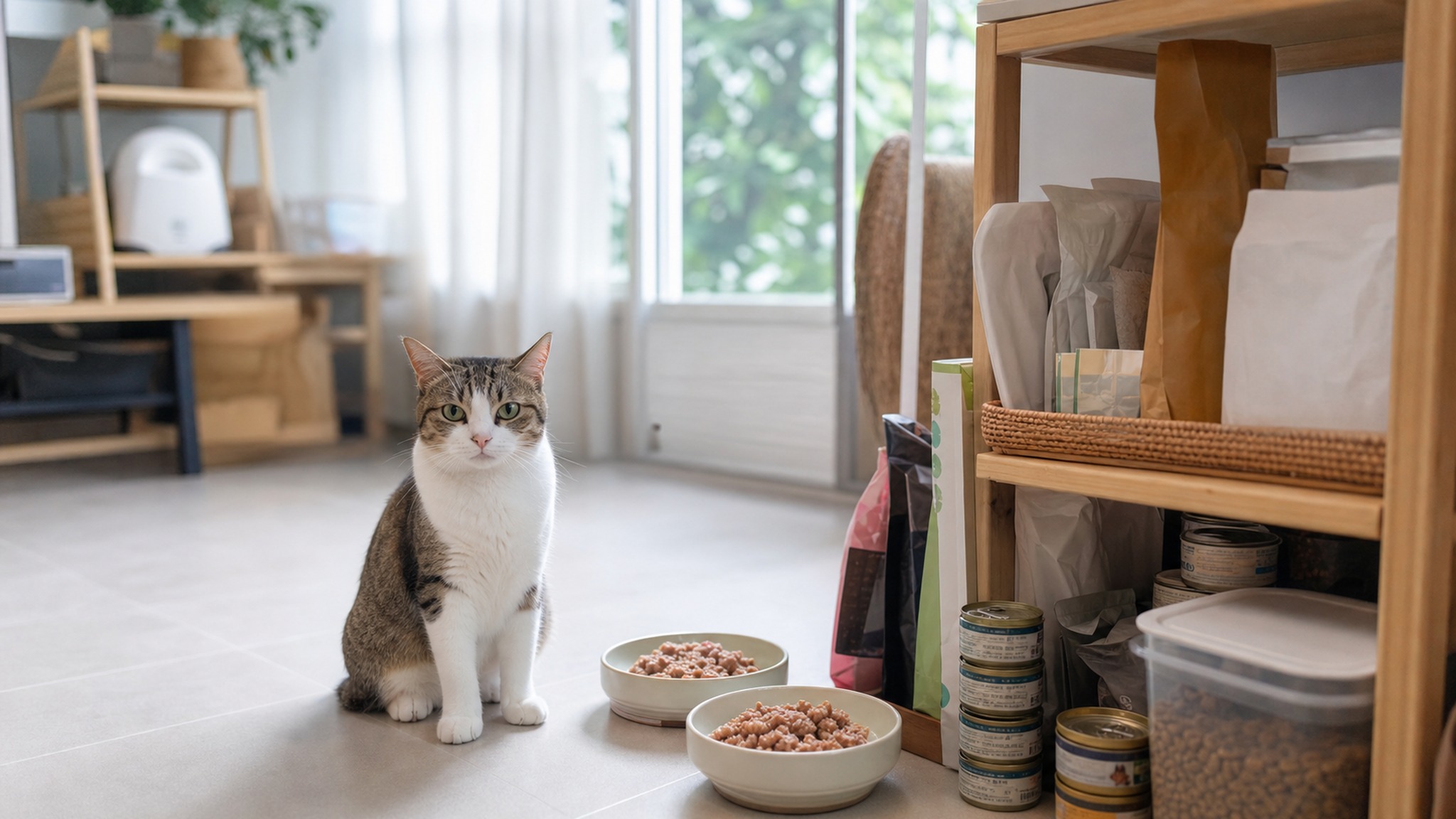
Why Fish-Based Cat Food Gets Blamed for Itching
Fish-based cat food is popular in Singapore because many cats love the strong smell, and wet food with tuna, salmon, or white fish is easy to find online. When an indoor cat starts scratching, over-grooming, or getting red patches, fish is often the first ingredient owners suspect. This is one reason searches for cat food allergies Singapore often include questions about tuna, seafood, and sensitive skin. The concern is understandable, but fish is not always the real trigger.
A cat can react to a protein it has eaten many times before, but true food allergy is less common than many owners think. Itching can also come from fleas, mites, fungal infection, environmental irritation, litter dust, or skin stress from humid weather. In HDB flats, cats may spend long hours indoors with limited airflow, air-con cycling, and shared resting spots that trap allergens. Blaming fish too quickly can delay the vet check your cat actually needs.
Why fish feels suspicious
Fish foods often have a stronger odour and richer oils than chicken or turkey recipes, so owners notice them more. Some cats also eat fish-flavoured treats, wet food, toppers, and dental snacks at the same time, making fish look like the common link. If itching appears after a new tuna pouch or seafood treat, it is reasonable to take note. Still, one timing match does not prove an allergy.
Another reason fish gets blamed is that Singapore cats are often fed mixed diets. A cat may eat dry food in the morning, canned fish at night, freeze-dried treats after work, and leftover toppers during the weekend. With so many moving parts, it becomes difficult to know which ingredient changed first. A careful label check is usually more useful than guessing from the flavour name on the front of the packet.
Food Allergy, Food Sensitivity, or Singapore Humidity?
For owners researching cat food allergies Singapore, it helps to separate allergy, sensitivity, and environmental skin irritation. A food allergy involves the immune system reacting to a specific ingredient, usually a protein. A food sensitivity or intolerance may cause digestive upset or mild discomfort without being a true allergy. Both can look confusing when the main symptom is itching.
Singapore humidity adds another layer. Warm, damp conditions can make skin infections, yeast overgrowth, and flea problems harder to control, especially in homes where windows are closed and air movement is limited. A cat that sleeps near laundry areas, shoe racks, damp corners, or dusty fabric surfaces may itch even if the food is fine. This is why a vet’s skin exam matters before starting a strict diet trial.
Common signs owners notice at home
Food-related skin issues may show up as repeated scratching around the head, neck, ears, face, belly, or paws. Some cats lick until the fur becomes thin, especially along the stomach or inner thighs. Others develop small scabs that feel like tiny bumps under the coat. If the itching is seasonal or worse after litter changes, cleaning products, or humid spells, food may not be the only factor.
Digestive signs can also appear, such as soft stools, vomiting, gas, or changes in appetite. However, not every cat with a food reaction has stomach symptoms, and not every cat with vomiting has a food allergy. Singapore owners often buy food in small batches from ecommerce stores, so batch changes, storage heat, and opened wet food handling can also affect tolerance. Keeping a simple log helps you see patterns more clearly.
Why humidity can mimic allergy
Indoor cats in HDB flats may live in a mix of air-con rooms, warm corridors, and humid service yards. These shifts can affect skin comfort, especially for long-haired cats or cats that groom less because of age or weight. Moisture can also make litter boxes smell stronger, encouraging some cats to avoid the box or sit in less clean areas. Skin and litter issues can overlap more often than owners expect.
In humid weather, small skin wounds may become inflamed faster if a cat keeps licking them. Dusty litter, fragrance, and poor odour control can further irritate sensitive cats. This does not mean diet is irrelevant, but it means the home environment should be checked together with food. A balanced approach is better than switching brands every few days.
Signs That Need a Vet Instead of a Diet Guess
If your cat is scratching until the skin breaks, bleeding, swelling, or losing fur in patches, book a vet visit instead of trying multiple foods at home. Sudden severe itch, ear discharge, bad smell from the skin, open sores, or repeated vomiting should not be treated as a simple diet issue. A vet can check for fleas, mites, ringworm, bacterial infection, and other causes that may need proper treatment. This is especially important in multi-cat homes where skin problems can spread or recur.
Owners looking up cat food allergies Singapore may see elimination diets mentioned often, but these should be done carefully. A proper diet trial usually means feeding one vet-recommended diet or a clearly selected novel protein for several weeks, with no other treats or flavoured medications unless your vet approves. Randomly changing from fish to chicken, then duck, then grain-free food can make diagnosis harder. Your cat also needs enough calories and hydration during any diet change.
When to seek help quickly
See a vet promptly if your cat is scratching the face or ears intensely, shaking the head, or crying when touched. Ear mites, infection, and wounds can become painful, and cats are good at hiding discomfort. If your cat stops eating, hides more than usual, or becomes unusually aggressive, do not wait for a diet experiment to work. These signs suggest the issue is bigger than mild food sensitivity.
Kittens, senior cats, and cats with chronic illness need extra caution. Their skin, immune system, and digestion may not handle sudden food switches well. In Singapore, busy working owners may only notice symptoms at night, so photos and short videos can help the vet understand what is happening. Take clear pictures of affected areas before they are cleaned or covered by fur.
What your vet may ask
Your vet may ask when the itching started, what food and treats your cat eats, and whether any new litter, cleaner, supplement, or flea prevention was introduced. They may also ask if your cat is indoor-only, lives with other pets, or has balcony or corridor exposure. These details matter because a strictly indoor HDB cat still can encounter fleas, dust, mould, and irritants. Good notes make the consultation more useful.
Bring photos of food labels or the actual packets if possible. The front label may say “salmon recipe”, but the ingredient list may include chicken, beef, egg, dairy, or multiple fish sources. This is why cat food allergies Singapore should be approached with ingredient tracking, not just flavour tracking. A vet can then advise whether a food trial is appropriate.
How to Check Labels, Treats, and Wet Food Safely
Start by reading the full ingredient list, not only the flavour name. Look for named animal proteins such as tuna, salmon, chicken, turkey, duck, beef, egg, and fish meal. If you are trying to avoid fish, remember that “seafood flavour”, “fish oil”, “fish broth”, and “ocean fish” may still count depending on the plan your vet gives. For a true elimination trial, even small extras can confuse the result.
Do not forget treats, toppers, dental snacks, supplements, and lickable pastes. Many Singapore cat owners use treats for bonding after work or to encourage hydration, but these can quietly add extra proteins. Wet food rotation is also common because cats get bored, yet rotation makes it hard to identify a trigger. If your vet recommends a trial, keep the food routine boring on purpose for the testing period.
Check wet food handling in humid weather
Wet food spoils faster in warm conditions, so serving size and storage matter. If your cat grazes slowly, avoid leaving wet food out for long periods in a non-air-con room. Cover and refrigerate opened cans or pouches according to the product instructions, and discard food that smells off or looks dried out. Poor handling can cause stomach upset that looks like food intolerance.
Wash bowls regularly, especially if your cat eats fish-based wet food with strong oils. Stainless steel or ceramic bowls are usually easier to clean than scratched plastic bowls. In a humid flat, leftover food residue can attract insects and create odour. Clean feeding areas also make it easier to notice changes in appetite, vomiting, or drooling.
Change food slowly unless your vet says otherwise
For non-urgent food changes, transition gradually over several days to reduce digestive upset. A sudden switch may cause vomiting or diarrhoea, which makes owners think the new food is bad when the change itself was too fast. If your cat has severe symptoms, follow your vet’s advice rather than a standard transition schedule. Medical cases may need a different approach.
Keep a simple diary with food name, protein source, treats, stool quality, itching level, and any skin photos. This is useful for anyone researching cat food allergies Singapore because local cats often have multiple possible triggers at once. A diary also helps avoid repeated buying of foods that did not work before. Over time, it can save both stress and money.
Useful Cat Supplies for Monitoring Skin, Food, and Litter Changes
The right supplies cannot diagnose an allergy, but they can help you monitor your cat more accurately. A small digital scale helps track weight when changing diets, especially for cats that eat less during transitions. Measuring spoons, airtight food containers, and clean bowls make feeding more consistent. Consistency matters because diet trials fail easily when portions and treats keep changing.
Litter supplies are just as important. Low-dust litter, a suitable scoop, odour-control options, and enough litter box space can reduce irritation and help you spot urine or stool changes. In Singapore’s humid weather, litter smell may build up quickly in compact HDB bathrooms or service yards. A clean litter setup helps you separate skin issues from hygiene and environmental discomfort.
Skin and grooming supplies to consider
A soft grooming brush can help you check the skin under the coat without stressing your cat too much. For long-haired cats, gentle combing may reveal scabs, dandruff, thinning fur, or damp areas from over-licking. Avoid using medicated shampoos, essential oils, or human skin products unless your vet tells you to. Cats groom themselves and can ingest residues that are unsafe.
Elizabethan collars, recovery suits, or soft cones may be useful if a vet recommends preventing licking while wounds heal. These should fit properly so your cat can eat, drink, and use the litter box. Keep nails trimmed to reduce damage from scratching, but do not rely on nail trimming as the only solution. The itch still needs a cause and a plan.
Food organisation supplies
Airtight containers help protect dry food from humidity, insects, and odour transfer. Label containers with the original food name, batch date, and opening date, or keep the original bag inside the container. This matters if your cat reacts and you need to check ingredients or batch information later. For households with several cats, separate feeding stations can help you know who ate what.
If you are comparing cat food Singapore options, avoid buying too many new proteins at once. It is tempting to stock up during ecommerce sales, but a sensitive cat needs controlled changes. Choose supplies that make tracking easy, not just products that look convenient. This practical mindset is often more useful than chasing every “hypoallergenic” claim online.
FAQ
Can fish-based food really cause cat allergies?
Yes, a cat can be allergic to fish, but it is not the only possible cause of itching. Chicken, beef, dairy, egg, fleas, mites, litter dust, and skin infections can also be involved. If symptoms are persistent or severe, a vet check is safer than guessing. This is the best starting point for concerns about cat food allergies Singapore.
Should I stop all fish food immediately?
If your cat has mild itching but is otherwise well, speak with your vet before making big changes. Sudden diet switches can upset digestion and make the picture less clear. If your cat has swelling, wounds, vomiting, or poor appetite, seek veterinary advice quickly. Do not use internet advice as a substitute for care in urgent cases.
Is grain-free food better for itchy cats?
Not necessarily. Many cat food allergies are linked to proteins rather than grains, and grain-free does not automatically mean allergy-safe. Some grain-free recipes still contain fish, chicken, egg, or other common proteins. Always read the ingredient list and follow your vet’s diet trial instructions.
Can cat litter make itching worse?
Yes, dusty or strongly scented litter can irritate some cats, especially in enclosed HDB spaces with limited airflow. Litter issues may also cause paw licking, sneezing, or box avoidance. Try to keep the box clean, dry, and well ventilated. If skin symptoms continue, a vet check is still needed.
How long does a food trial take?
A vet-guided food trial often takes several weeks, and it only works if your cat eats the approved diet without other treats or flavoured extras. The exact length depends on your vet’s plan and your cat’s symptoms. Keep a diary and take photos so progress is easier to judge. Patience is important because skin can take time to settle.
Choosing Cat Supplies With a Clear Plan
If your cat is itchy after eating fish-based food, the smartest next step is not panic-buying every sensitive-skin diet online. Start with a vet check when symptoms are strong, then use good cat supplies to keep feeding, grooming, and litter routines consistent. For Singapore homes, focus on airtight food storage, clean bowls, low-dust litter, practical grooming tools, and simple tracking habits that suit HDB living and humid weather. When you shop for cat supplies, choose products that help you observe changes clearly, support hygiene, and make daily care easier while your vet helps you work out the real cause.
延伸閱讀
- Can Renovation Dust and Paint Fumes Affect Cats in Singapore Flats?
- Can Cats Eat Home-Cooked Food? A Singapore Vet-Check Guide Before You Switch
- How Often Should Senior Cats See a Vet in Singapore? A Practical HDB Health Check Guide
Last updated:2026-06-17 by CatGarden
CatGarden Deodorizing Mineral Cat Litter 3.0