▶Cat Column, Environment cleaning care
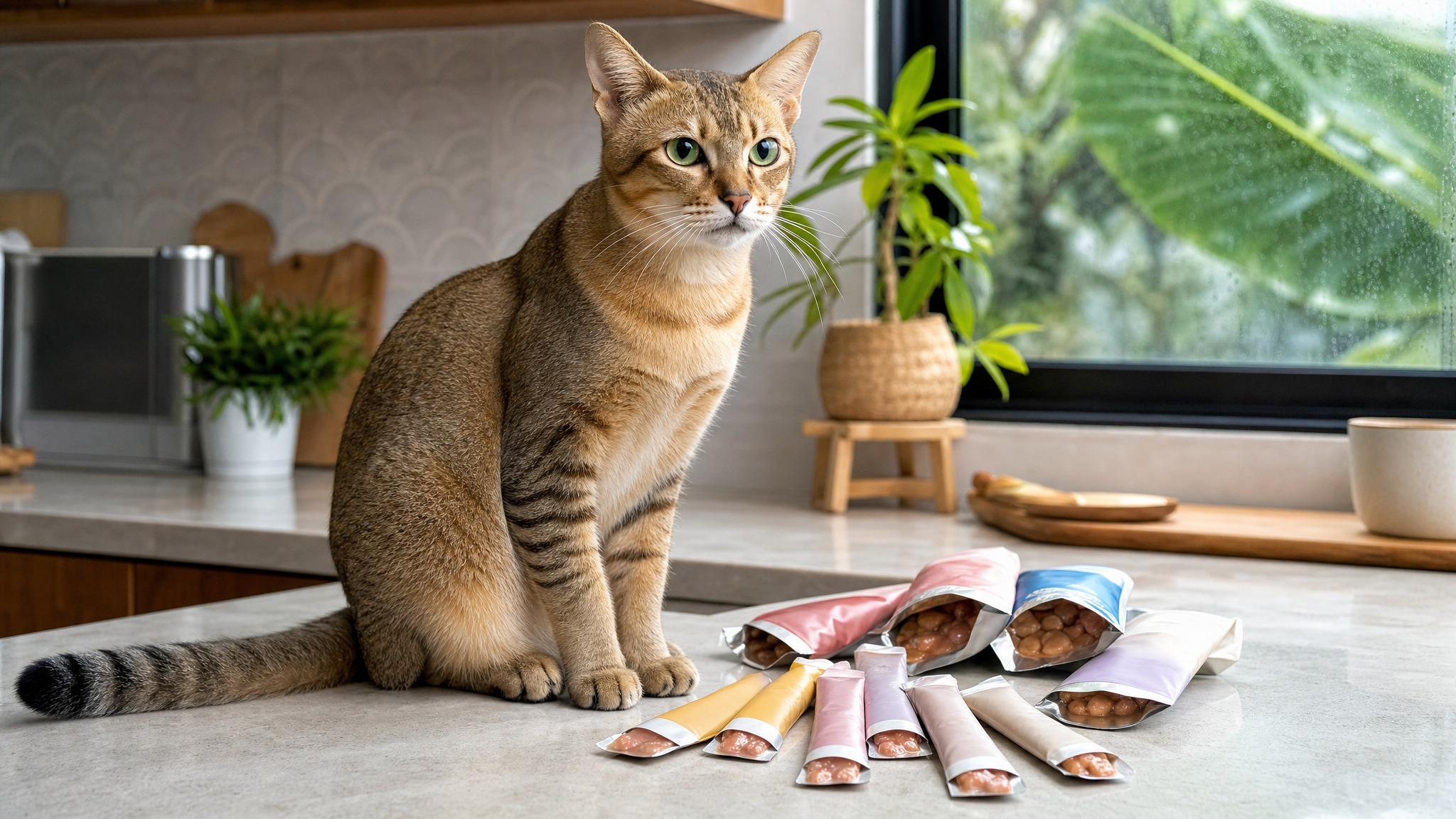
Are Lickable Cat Treats Good for Cats? What Malaysian Owners Should Check Before Buying
Are Lickable Cat Treats Good for Cats? What Malaysian Owners Should Check Before Buying
Why Lickable Cat Treats Are Trending in Malaysia
Lickable treats have become popular among Malaysian cat owners because they are easy, convenient, and cats usually respond to them quickly. In many homes, especially condos and landed houses where cats live mostly indoors, owners use soft treats as a simple way to bond with their cats after work. The texture is also useful for cats that are picky, older, or not very excited about dry snacks. Because many owners now compare cat food Malaysia options online, these treats often appear beside wet food, supplements, and daily cat supplies on Shopee- and Lazada-style searches.
The hot and humid Malaysian climate also affects how owners think about feeding and storage. Small single-serve tubes feel practical because they reduce the chance of leftovers sitting out too long. For cats that do not drink enough water, the moist texture can feel like a helpful extra, although it should not replace clean drinking water. This is one reason lickable cat treats are often seen as more than a fun snack, even when they are not a complete meal.
Convenience for Busy Homes
Many Malaysian households need pet care routines that fit around commuting, school runs, and shared family schedules. A small tube is easy to feed without bowls, washing, or complicated preparation. It can also help when giving medicine, trimming nails, or encouraging a shy cat to come out from under furniture. For multi-cat homes, though, owners should still feed each cat separately to prevent one confident cat from taking everything.
Online shopping has made these products even more visible. Owners can compare flavours, bundle prices, reviews, and delivery options before buying. However, popularity does not always mean quality, so it is worth reading the label carefully instead of choosing only by cute packaging or discount sets. A good treat should fit your cat’s health needs, not just your checkout cart.
Are Lickable Cat Treats Healthy or Just Snacks?
Most lickable treats are best understood as snacks, toppers, or bonding tools rather than a main diet. Some contain real meat or fish and added nutrients, while others are mostly flavouring, starch, water, and thickener. Even when the ingredient list looks decent, the product may not provide complete and balanced nutrition for daily feeding. Malaysian owners should check whether the packaging says it is a complementary food, treat, or complete meal.
Lickable cat treats can be useful when offered in the right amount. They may encourage appetite in a stressed cat, help with hydration support, or make grooming and carrier training less stressful. But if a cat eats too many treats, it may lose interest in balanced cat food, gain weight, or take in too much sodium. Treats should support the routine, not quietly take over the bowl.
When They Can Be Helpful
Soft treats are often helpful for cats that need gentle encouragement. After a vet visit, during home cleaning, or when adjusting to a new condo or landed home, a familiar flavour can help the cat feel safer. Some owners also use them as a reward during nail trimming or when introducing a new scratching post. In these situations, the treat works as part of a behaviour routine rather than just extra calories.
They may also help senior cats or cats with dental discomfort enjoy a treat without needing to chew hard biscuits. Still, dental pain, poor appetite, vomiting, or sudden food refusal should not be solved only with treats. If your cat is eating only soft snacks and avoiding proper meals, that is a sign to speak with a vet. A treat can support care, but it cannot diagnose or treat illness.
Ingredients Malaysian Cat Owners Should Check First
The first thing to check is the protein source. Look for clear ingredients such as chicken, tuna, salmon, or other named meat and fish instead of vague terms. Cats are obligate carnivores, so a treat with a recognisable animal protein is generally easier to understand than one built mainly around fillers. If your cat has allergies or sensitive digestion, simple formulas are usually safer to trial.
Next, check salt, sugar, artificial colouring, and unnecessary flavour enhancers. Some cats love strong-smelling treats, but a strong smell does not always mean better nutrition. In Malaysia’s humid climate, also look at preservatives and packaging quality, because damaged tubes or poorly stored cartons can spoil faster. When buying lickable cat treats online, avoid listings with unclear labels, no expiry date shown, or suspiciously cheap bulk packs from unknown sellers.
Moisture, Calories, and Additives
Moisture is one reason owners like these treats, but the calorie count still matters. A small tube can look harmless, yet daily feeding adds up, especially for indoor cats with lower activity levels. Condo cats that spend most of the day sleeping may need stricter treat limits than outdoor-access cats in landed homes. Always consider your cat’s body condition, not just its begging face.
Thickeners such as guar gum or tapioca starch may be used to create the smooth texture. These are not automatically bad, but they should not dominate the formula. If your cat gets soft stool after trying a new flavour, stop feeding it and reintroduce only after the stomach settles. Keep a simple note of brand, flavour, and reaction so you can identify patterns.
Special Health Needs
Cats with kidney disease, urinary issues, obesity, diabetes, or food allergies need more careful treat choices. Products high in sodium or phosphorus may not be suitable for some medical conditions. If your cat is on prescription food, ask your vet whether treats are allowed and which type is safer. This is especially important when family members all feed the same cat without tracking the total amount.
For kittens, choose age-appropriate products and feed very small amounts. Their main nutrition should come from kitten food, not snacks. For senior cats, watch hydration, appetite, weight, and stool quality after introducing new treats. A product that suits one cat in the house may not suit another.
How Often Should You Feed Lickable Treats?
A practical rule is to keep all treats under about 10% of your cat’s daily calories, unless your vet gives a different instruction. For many cats, this means one small tube occasionally, not multiple tubes every day. The exact amount depends on your cat’s size, activity level, main diet, and health status. If the packaging gives a feeding guide, use it as a ceiling rather than a target.
For most healthy adult cats, lickable cat treats can be offered a few times a week as a reward, topper, or bonding snack. Daily use may be acceptable for some cats if the portion is small and the main diet remains balanced. However, if your cat starts refusing regular food and waits only for treats, reduce the frequency. Cats learn routines quickly, so it is easier to set boundaries early.
Smart Feeding Situations
Use treats with purpose instead of feeding them randomly whenever your cat meows. Good moments include carrier training, brushing, nail trimming, post-vet comfort, or rewarding calm behaviour. You can also spread a small amount on a lick mat to slow feeding and add enrichment. This works well for indoor cats that need more mental stimulation in compact condo spaces.
In multi-cat homes, feed carefully to avoid jealousy or overeating. Some cats are fast eaters and will push others away, especially when the treat smells strong. Use separate corners, separate hands, or separate rooms if needed. This also helps you notice which cat has appetite changes or digestive reactions.
What to Avoid
Do not use treats to replace proper meals during long workdays. Cats need balanced nutrition from appropriate cat food, whether wet, dry, or mixed feeding. Also avoid leaving opened tubes out in warm rooms, near windows, or beside the kitchen stove. Once opened, follow the storage instructions and refrigerate if the label requires it.
It is also better not to feed unknown treats right before a car ride or vet visit if your cat has a sensitive stomach. Test new products at home first with a small amount. If vomiting, diarrhoea, itching, or unusual behaviour appears, stop using the product. Keep the packaging in case your vet needs to check the ingredients.
Buying Tips for Humid Homes and Online Cat Supplies
Malaysia’s weather makes storage an important part of treat safety. Heat and humidity can affect texture, smell, and freshness, especially if products are stored near laundry areas, kitchens, or sunny windows. Choose single-serve packaging when possible, and do not buy more than your cat can finish before the expiry date. Bulk deals can be tempting, but spoiled treats are not savings.
When shopping online for lickable cat treats, check seller ratings, expiry dates, product photos, and whether the item is shipped in proper condition. Reviews can be useful, but focus on comments about freshness, packaging damage, and cat reactions rather than only “my cat loves it.” If buying from marketplaces, compare official stores, trusted pet shops, and delivery timing. For broader cat supplies, it is often smarter to buy treats together with essentials like cat litter, wet food, flea control, and grooming wipes from reliable sources.
For Condos and Landed Homes
Condo owners may prioritise low-mess feeding and odour control because space is tighter and rubbish disposal routines may be fixed. Single tubes are easy to throw away cleanly, but the opened packaging should not sit in the bin for too long in hot weather. If your cat eats near the litter area, move treats and meals away from the box to keep feeding more hygienic. Good cat litter and regular cleaning still matter more for odour than any treat choice.
Landed homes may have more indoor-outdoor exposure, depending on the household setup. Cats that roam near gardens, drains, or other animals may already face higher parasite and flea risks. Treats should not distract from basics such as flea prevention, clean water, safe food storage, and regular vet care. If you search for makanan kucing or pasir kucing online, apply the same label-reading habit to treats too.
Quick Buying Checklist
- Check the label: Look for named protein, feeding guide, expiry date, and whether it is a treat or complete food.
- Watch the calories: Keep portions small, especially for indoor or overweight cats.
- Buy for your climate: Choose sealed, fresh, single-serve packs that suit Malaysia’s humidity.
- Compare sellers carefully: Prefer trusted pet retailers or official stores with clear product information.
- Observe your cat: Stop feeding if you notice vomiting, diarrhoea, itchiness, or appetite changes.
CTA: Choosing lickable cat treats is easier when you treat them as one small part of your cat’s full home-care routine. Before adding a new flavour to cart, check your cat’s age, weight, health condition, main food, litter setup, and storage space at home. For Malaysian households dealing with humidity, odour, fleas, and busy online shopping habits, reliable product information matters as much as price. Browse cat supplies with the same practical mindset: compare ingredients, pack size, expiry dates, seller reputation, and whether the product fits condo or landed-home living. From treats and cat food Malaysia options to cat litter and daily cleaning essentials, the best choices are the ones that keep your cat comfortable, healthy, and easy to care for every day.
FAQ
Are lickable cat treats safe for cats every day?
They can be safe for some healthy cats in small amounts, but they should not replace complete cat food. If you feed them daily, keep the portion controlled and include it within your cat’s total treat calories. Cats with kidney disease, diabetes, urinary issues, or obesity should follow vet advice first. Always check the product label and monitor stool, weight, and appetite.
Can kittens eat lickable treats?
Some kittens can have age-appropriate soft treats, but their main nutrition must come from proper kitten food. Start with a tiny amount and avoid products with unclear ingredients or strong additives. If the kitten develops diarrhoea or vomiting, stop immediately. For very young kittens or kittens with health issues, ask a vet before feeding treats.
Do lickable treats help cats drink more water?
They contain moisture, so they can add a small amount of fluid to the diet. However, they are not a replacement for clean drinking water or balanced wet food. In Malaysia’s warm weather, cats should always have fresh water available in clean bowls or fountains. If your cat is drinking much more or much less than usual, check with a vet.
How should I store opened lickable treats in Malaysia?
Follow the packaging instructions, especially after opening. In humid homes, do not leave opened tubes at room temperature for long periods. Refrigerate if required and discard anything that smells unusual, changes texture, or has been exposed to heat. Avoid buying large bulk packs if your cat cannot finish them before expiry.
What should I do if my cat only wants treats and not meals?
Reduce treat frequency and return to a stable feeding routine with complete cat food. Avoid offering treats every time your cat refuses a meal, because that can reinforce picky behaviour. If your cat refuses proper food for more than a day, or shows weight loss, vomiting, drooling, or tiredness, contact a vet. Sudden appetite changes should be taken seriously.
延伸閱讀
- Pet Expo Malaysia Buzz: Are Wet Food Trial Packs Worth Buying for Your Cat?
- Best Cat Litter for Malaysia’s Humid Homes: Low Odour, Low Tracking Options That Actually Help
- Cat Food and Litter in Malaysia: What to Check Before Buying for Humid Homes
Last updated:2026-06-05 by CatGarden
CatGarden Deodorizing Mineral Cat Litter 3.0