
▶Cat Column, Nutrition eating guide
Why Is Your Cat Sleeping in the Litter Box? Stress, Heat and Health Clues for Malaysian Homes
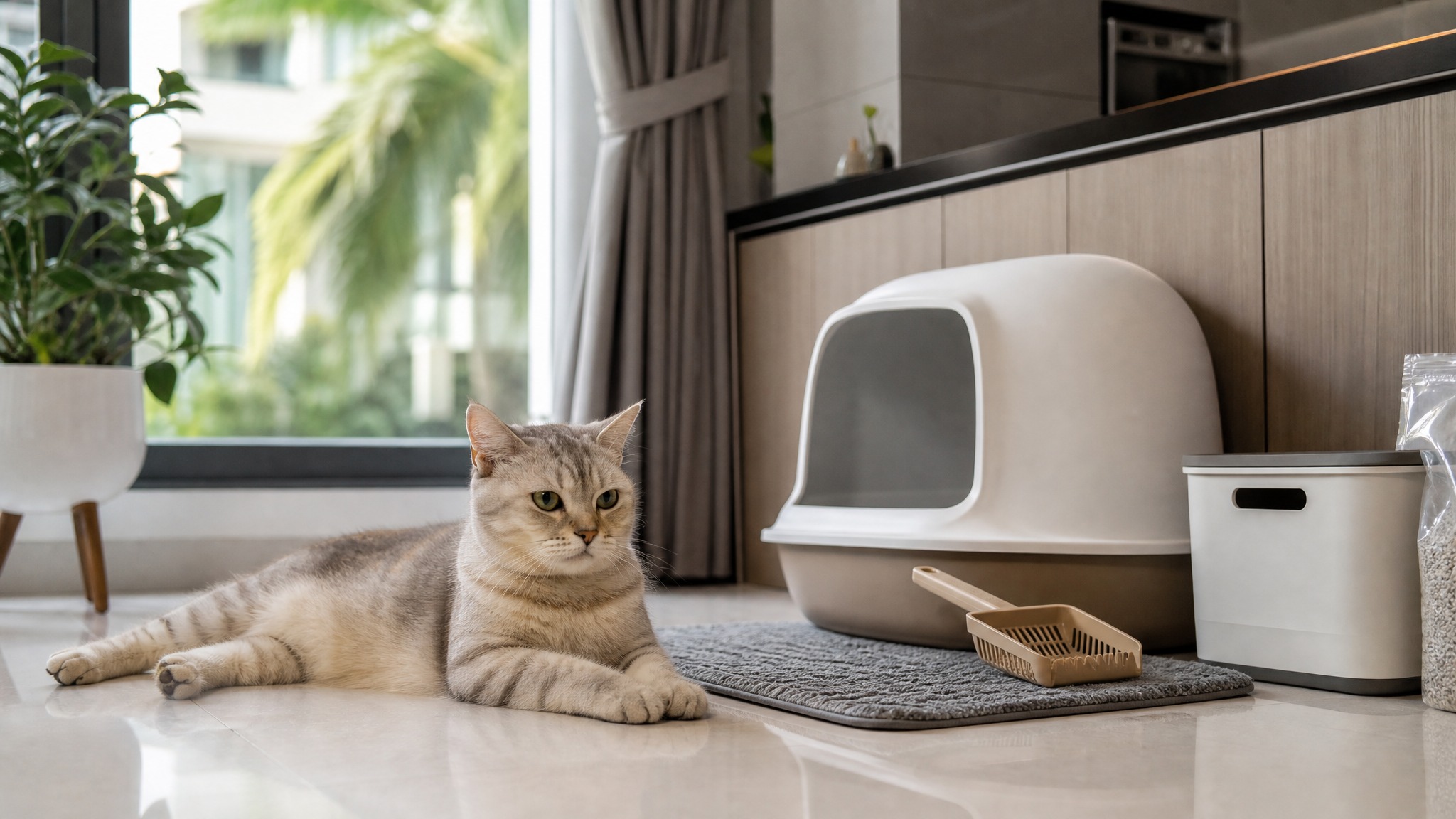
Why Cats Sleep in the Litter Box
Finding your cat curled up inside the litter box can feel strange, especially when there are beds, sofas and quiet corners available. In many Malaysian homes, this behaviour is not about being “dirty” or stubborn. A cat may choose the box because it feels enclosed, familiar, cool, private or strongly marked with its own scent. The key is to look at when it started, how often it happens and whether anything else has changed at home.
The phrase cat sleeping litter box often points to a mix of emotional, environmental and health clues. Some cats only nap there once after a stressful event, while others return again and again because the box has become their safest zone. A new kitten, a recently adopted adult cat or a cat in a busy condo may also use the litter box as a hideout before learning the home is safe. If the habit is new, repeated or paired with toilet changes, it deserves closer attention.
It Feels Like a Safe Den
Cats naturally like spaces that have boundaries around them. A hooded litter box, a corner tray or a box placed under a table can feel like a small den where nobody can approach from all sides. In a home with children, guests, renovation noise or other pets, that protected feeling may matter more than comfort. Even an open tray can feel safer if it sits in a quiet bathroom or service yard.
Scent also plays a big role. The litter box smells strongly of the cat, which can be reassuring when the rest of the home feels uncertain. This is why a cat may sleep there after moving house, changing furniture, deep cleaning, or bringing in a new pet. It is not ideal, but it is understandable from the cat’s point of view.
Stress Triggers Malaysian Owners Often Miss
Stress is one of the most common reasons behind cat sleeping litter box behaviour, but the trigger is not always obvious. Malaysian homes can be lively: family members visit often, neighbours renovate, delivery riders come and go, and outdoor cats may pass by gates, balconies or windows. To a sensitive cat, these normal household rhythms can feel like territory pressure. The litter box then becomes a place where its own scent gives comfort.
Multi-cat homes need extra care. Even if cats do not fight openly, one cat may block access to resting spots, food bowls or the litter area. A quieter cat may sleep in the box because it is guarding access to the toilet or because it feels there is nowhere else that belongs to it. Watch for staring, chasing, doorway blocking and one cat waiting outside the box when another comes out.
Common Local Stressors
In condos, stress may come from lift noise, corridor footsteps, maintenance drilling or unfamiliar smells from neighbouring units. Balcony birds, stray cats at the car park and dogs barking from nearby units can also keep an indoor cat alert. In landed homes, outdoor cats crossing the porch or spraying near doors may make your cat feel its territory is being challenged. These triggers are easy to miss because humans quickly tune them out.
Weather patterns can add another layer. Thunderstorms, heavy rain, fireworks during festive seasons and sudden changes in household routine can all push a nervous cat to seek a smaller, more controlled space. If your cat starts sleeping in the litter box after a noisy weekend, open house, family gathering or renovation period, stress is a strong possibility. The behaviour may fade once the home feels predictable again, but the cat still needs better safe spots.
Changes Inside the Home
Small changes can matter more than owners expect. A new sofa, new curtains, a different cat litter, a moved food bowl or a new automatic feeder can unsettle a cat that relies on routine. Cats may also react when a family member returns from travel with unfamiliar smells on luggage and clothes. Even switching from one pasir kucing texture to another can make the box feel different and cause confusion.
If the sleeping started after a change, try to map the timeline. Did you move the litter tray, change brands, introduce a new cat food Malaysia product, host guests or rearrange a room? This helps you separate stress from possible illness. It also helps you fix the environment instead of simply scolding the cat, which usually makes the problem worse.
When Heat, Humidity or Litter Smell Makes the Box Feel Safer
Malaysia’s heat and humidity can influence where cats choose to rest. Tile floors, bathrooms and laundry areas often feel cooler than fabric beds, especially in the afternoon. If the litter box is placed in one of these cooler areas, your cat may choose the location first and the box second. In that case, the issue may be less about the litter and more about needing a cool, private resting spot.
Humidity also affects odour. A litter area that is not cleaned often enough can smell stronger, but for some cats, their own scent may still feel familiar and safe. For humans, this is unpleasant; for cats, scent carries information about territory and security. Still, repeated cat sleeping litter box behaviour means you should improve both the resting setup and the litter routine.
Heat and Cooling Behaviour
Some cats avoid plush beds because they trap warmth. A thick cushion that looks cosy to us may feel too hot in a Malaysian afternoon, especially in homes without air-conditioning during the day. Cats may prefer cardboard, rattan-style surfaces, cotton mats or raised beds with airflow underneath. If the litter tray sits on cool tiles, it may accidentally become the most comfortable spot.
Try placing a clean, low-sided cardboard box or washable mat near the litter area but not directly beside it. If your cat moves to the new spot, heat and location were likely part of the reason. You can also create resting places near shaded windows, under a side table or in a quiet corner with a fan circulating air indirectly. Avoid placing beds in direct sun, near noisy appliances or beside strong-smelling cleaners.
Litter Smell, Texture and Box Placement
Strong fragrance in cat litter can make some cats avoid the box, but other cats may tolerate it while still feeling stressed by the overall area. In humid homes, scented litter can mix with ammonia smells and become overwhelming. Unscented, low-dust litter is often easier for cats, especially in enclosed spaces. For odour control, cleaning frequency and ventilation usually matter more than perfume.
Box placement is just as important as litter type. A tray next to a washing machine, shoe rack, rubbish bin or busy kitchen entrance may make toilet time stressful. A cat that sleeps in the box may be trying to guard it because it does not feel fully secure when using it. Ideally, the litter area should be quiet, accessible and separate from food and water.
Health Warning Signs That Need a Vet Check
Sometimes cat sleeping litter box behaviour is a medical warning. Cats with urinary discomfort may stay close to the box because they feel the urge to pee often. Others may enter the box repeatedly, strain, produce only small amounts of urine or cry while trying. These signs should not be treated as a behaviour problem.
Urinary issues can become urgent, especially in male cats. If your cat is trying to urinate but little or nothing comes out, contact a vet immediately. A blocked urinary tract can be life-threatening and should not wait until the next day. Even if your cat is still eating, repeated straining is a serious sign.
Urinary, Digestive and Pain Clues
Watch for frequent trips to the litter box, blood in urine, peeing outside the box, licking the genital area or crying while toileting. Constipation can also make a cat linger near the box because it feels discomfort and keeps trying. Older cats with arthritis may choose the box if climbing into beds or jumping onto furniture has become painful. In these cases, the box may be convenient rather than emotionally comforting.
Digestive upset can also change behaviour. A cat with diarrhoea may stay near the box because it cannot predict when it needs to go. If this happens alongside vomiting, loss of appetite, tiredness or weight loss, arrange a vet check. Bring notes about food changes, litter changes and how often your cat is using the box.
When to Act Quickly
Seek urgent veterinary help if your cat cannot pass urine, cries in the box, has blood in urine, collapses, hides continuously or refuses food. These are not wait-and-see symptoms. For kittens, senior cats and cats with known kidney or bladder issues, you should be even more cautious. A quick check can prevent a small issue from becoming dangerous.
If the cat seems physically normal but the habit continues for more than a day or two, still monitor closely. Behaviour and health often overlap, so it is possible to have both stress and a medical issue at the same time. Take photos of the litter clumps if useful, and note whether urine volume has changed. Clear details help your vet assess the situation faster.
How to Set Up Better Resting Spots and a Cleaner Litter Area
The best solution is not to block the litter box or punish the cat. Instead, make the box clean and easy to use while offering better places to rest. Your goal is to give your cat several safe, cool and scent-friendly alternatives. Once the home feels more secure, the litter box becomes just a toilet again.
For a home dealing with cat sleeping litter box behaviour, start with simple changes before buying everything at once. Add one quiet resting zone, clean the litter more consistently and reduce pressure around the box. If there are multiple cats, increase resources so no cat has to compete. A calm setup often works better than a dramatic rearrangement.
Resting Spots That Work in Malaysian Homes
Choose locations that match your cat’s personality. A shy cat may prefer a covered bed under a table, while a confident cat may like a raised perch with a view of the room. In warm weather, breathable materials such as cotton pads, cardboard scratchers and raised mesh-style beds can be more inviting than thick fleece. Place them where there is airflow but not direct fan blasting.
For condos, create at least one quiet zone away from the main door and corridor noise. For landed homes, consider window views carefully if outdoor cats cause stress; a view that entertains one cat may upset another. If your cat likes the bathroom because it is cool, place a washable mat or low box nearby as a cleaner alternative. Reward use of the new spot with calm attention, treats or gentle play.
Litter Area Setup Checklist
- Use enough boxes: A common guide is one box per cat, plus one extra if space allows.
- Scoop daily: In humid weather, daily scooping helps control odour and keeps the area inviting.
- Choose gentle litter: Unscented, low-dust cat litter is often easier for sensitive cats.
- Keep access clear: Avoid placing boxes where another pet can trap or block the cat.
- Separate essentials: Keep food, water, beds and litter areas apart where possible.
- Clean without harsh smells: Strong disinfectant scents can make cats avoid or over-mark the area.
If you change litter, transition gradually by mixing the new product with the old one over several days. Sudden changes can create new problems, especially for cats already stressed. For odour control, owners often compare products on Shopee or Lazada, but the best pasir kucing is the one your cat will use comfortably and consistently. Price, clumping, dust, tracking and smell control all matter, but your cat’s acceptance comes first.
Reducing Stress Long Term
Build predictable daily routines around feeding, play and cleaning. A short play session before dinner can help indoor cats release energy and feel more settled at night. If outdoor cats are triggering your indoor cat, block low window views temporarily or clean sprayed areas near doors with an enzyme cleaner. Do not use punishment, because it adds fear without solving the cause.
In multi-cat homes, spread resources across different rooms. Place water bowls, scratching posts, resting spots and litter boxes so one cat cannot control everything. This is especially useful in compact condos where pathways are narrow. When each cat has options, the chance of cat sleeping litter box behaviour usually drops.
FAQ
Is it normal for a cat to sleep in the litter box?
It can happen once during stress, travel or a home change, but it should not become a regular habit. If your cat keeps returning to the box to sleep, check for stress, heat, litter placement and health signs. A new or repeated pattern is worth investigating. If toilet habits also change, speak to a vet.
Should I stop my cat from sleeping in the litter box immediately?
Do not scare, shout or pull your cat out roughly. First, offer a better resting spot nearby and make the litter area clean and calm. If your cat is straining, crying or unable to pee, treat it as urgent and contact a vet. Behaviour changes are easier to fix when the cat still feels safe.
Can Malaysian weather make cats choose the litter box?
Yes, heat and humidity can influence resting choices. If the box is in a cool bathroom or tiled area, your cat may be choosing the cooler location. Provide breathable resting spots in shaded, quiet areas with good airflow. This is especially helpful in homes that are warm during the day.
What litter is best if my cat is stressed?
Many stressed cats do better with unscented, low-dust litter that feels soft and familiar. Avoid sudden changes, strong perfumes and boxes placed in noisy areas. If you want to test a new cat litter, transition slowly and keep the old option available at first. Comfort and consistency are more important than fragrance.
When should I bring my cat to the vet?
Bring your cat to the vet quickly if there is straining, crying, blood in urine, frequent toilet trips, no urine, loss of appetite or unusual tiredness. Male cats with suspected urinary blockage need urgent care. If the only sign is sleeping in the box but it continues, a check-up is still sensible. Health problems can look like behaviour problems at the beginning.
Choosing Better Cat Supplies for a Calmer Home
If your cat has started sleeping in the litter box, the right home setup can make a real difference. Look for cat supplies that support comfort, cleanliness and stress reduction: unscented low-dust litter, easy-entry litter trays, washable cooling mats, sturdy scratchers, cosy hideouts and enzyme cleaners for odour control. Malaysian homes also need practical products that handle humidity, tracking and daily cleaning without strong artificial smells. When comparing cat supplies online, check size, material, dust level, clumping performance and whether the product suits condos, landed homes or multi-cat households. A cleaner litter area and a few well-placed resting spots can help your cat feel secure without turning the toilet into a bedroom.
延伸閱讀
- Should You Bring Your Cat to a Cat Event in Malaysia? Stress Signs to Check Before You Go
- Bringing Home Your First Cat in Malaysia? Set Up These Resting Spots Before the Stress Starts
- Why Newly Adopted Indoor Cats Try to Escape: Door-Dashing Tips for Malaysian Homes
Last updated:2026-06-12 by CatGarden
CatGarden Deodorizing Mineral Cat Litter 3.0