
▶Cat Column, Everyday beauty care
Cat Ear Infections in Malaysia: Head Shaking, Bad Smell and When It Needs a Vet
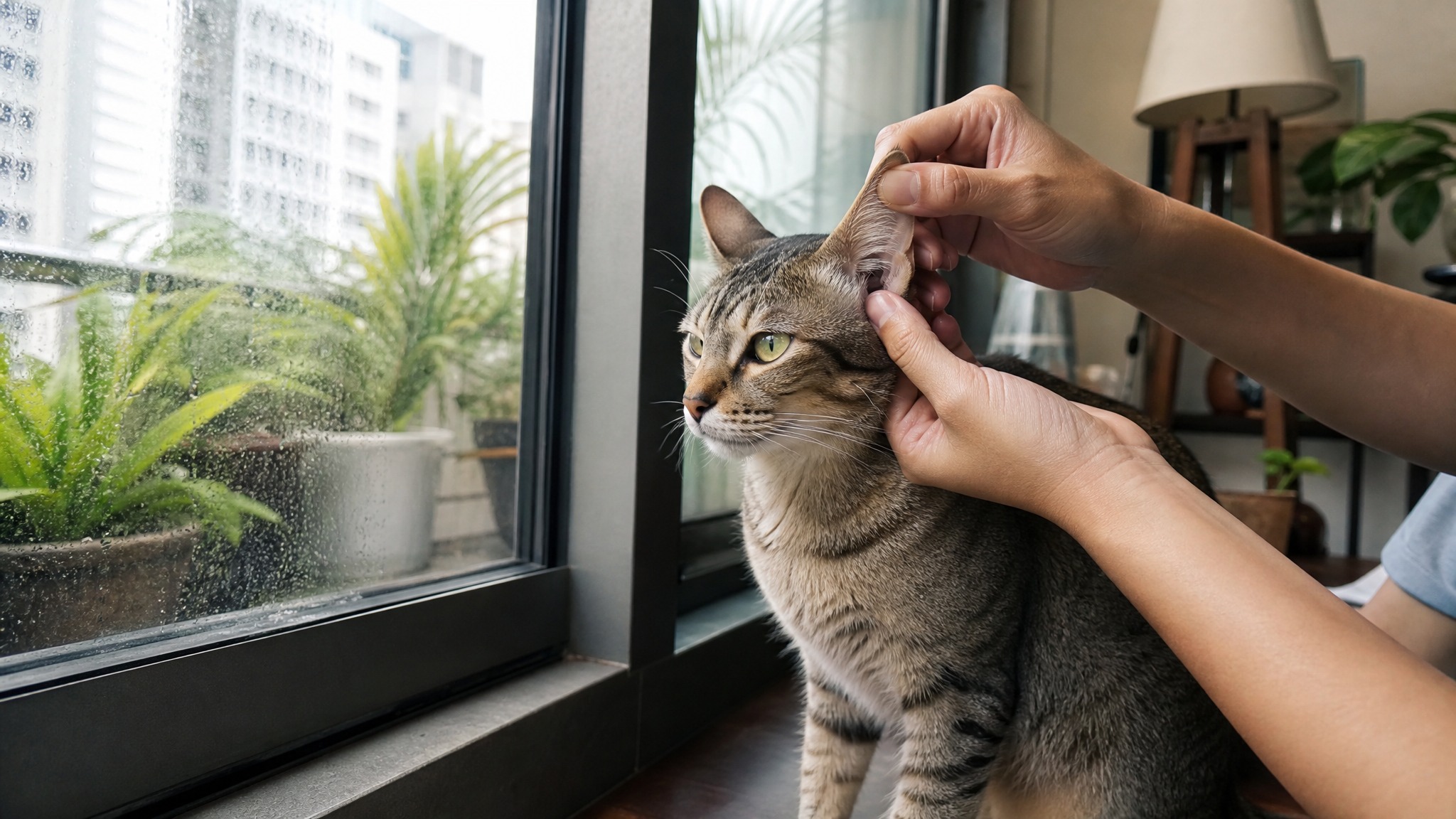
Why Cat Ear Problems Are Easy to Miss in Humid Malaysian Homes
In Malaysia, many cats live in a mix of indoor comfort and outdoor exposure, especially in landed homes, balcony areas, wet kitchens and shaded car porches. Because the weather is warm and humid most of the year, small skin and ear issues can become uncomfortable faster than owners expect. A mild itch may look like normal grooming at first, so a cat ear infection can be missed until the smell, redness or head shaking becomes obvious.
Condo cats are not automatically safe from ear problems either. Even fully indoor cats can develop wax buildup, allergies, yeast overgrowth or irritation after contact with dust, cleaning products, new food, fleas or another pet. If your cat hides often, sleeps in darker corners, or dislikes being handled, you may only notice the problem when they start shaking their head repeatedly or scratching one ear until the skin looks sore.
Another reason ear issues are easy to miss is that cats are very good at masking discomfort. A dog may show obvious pain, but a cat may simply become quieter, avoid touch, or groom one side of the head more often. By the time there is a strong smell or thick discharge, the ear may already be inflamed and painful.
Common Signs: Head Shaking, Scratching, Wax, Redness and Bad Smell
The most common signs of ear trouble are repeated head shaking, pawing at the ear, scratching around the face, and rubbing the head against furniture. You may also notice dark wax, yellowish discharge, redness inside the ear flap, or a greasy feel near the ear opening. A bad smell is especially important because healthy cat ears should not have a strong odour.
A cat ear infection may affect one ear or both ears, depending on the cause. If one ear is infected, your cat may tilt the head to one side or become sensitive when you touch that side of the face. Some cats also lose balance, walk awkwardly, or seem less confident jumping, which can suggest the problem is deeper than the outer ear.
Owners in Malaysia sometimes assume the smell is just “normal cat smell” or related to litter box odour, especially in smaller condos where ventilation is limited. But ear odour is different from cat litter, cat food, or general home smells. If the smell comes back soon after gentle cleaning around the outer ear, it is worth taking seriously.
What Normal Cat Ears Usually Look Like
A healthy cat ear usually looks pale pink, clean and dry, with only a small amount of light wax. There should not be swelling, bleeding, heavy debris, pus, or a sour smell. Your cat should also allow light touching around the ear without pulling away sharply or crying.
Some cats naturally produce more wax than others, but sudden changes are more important than the exact amount. If the ear looks much darker, wetter, redder or smellier than usual, something may be wrong. Taking a clear photo once in a while can help you compare changes over time before the condition becomes severe.
Ear Mites, Yeast, Allergies or Infection: What Could Be Happening?
Ear mites are one possible cause, especially for kittens, rescue cats, cats that go outdoors, or cats living with other untreated animals. Mites can create dark, coffee-ground-like debris and intense itching. However, not every dirty ear means mites, and using mite drops without a proper diagnosis may delay treatment if the real issue is yeast, bacteria or allergy.
Yeast can also overgrow in the ear, especially when there is moisture, inflammation or an underlying skin problem. In humid Malaysian weather, cats with sensitive skin, flea allergy, food sensitivity or poor skin barrier may be more prone to recurring ear irritation. A cat ear infection linked to yeast may smell musty or sour, and the ear may look greasy or red.
Bacterial infection is another concern and can be painful. It may happen after scratching injuries, wax buildup, trapped moisture, allergy flare-ups or untreated ear mite irritation. If the discharge looks yellow, green, bloody or pus-like, do not try to manage it only with home cleaning.
Allergies can make ear problems confusing because the ear may be only one part of the bigger picture. Your cat may also scratch the neck, lick the belly, develop scabs near the tail base, or have recurring skin redness. In Malaysia, flea control matters even for indoor cats because fleas can enter through shoes, corridors, balconies, other pets or shared spaces.
Why Guessing the Cause Can Make Things Worse
Different causes need different treatment, so guessing can waste time and make the ear more painful. Ear mites, yeast, bacteria and allergies can look similar to owners, especially when there is dark wax and scratching. A vet may need to examine the ear and check a sample under a microscope before choosing the right medication.
Some ear drops are not safe if the eardrum is damaged, and some products can sting badly when the ear is inflamed. This is why a persistent cat ear infection should not be treated with random online remedies or leftover pet medication. What worked for one cat may be unsuitable for another cat with a different cause.
What You Can Safely Check at Home and What Not to Put in the Ear
At home, you can gently look at the outer ear flap and the visible entrance of the ear canal. Use good lighting and avoid forcing the ear open if your cat is stressed or painful. Check for redness, swelling, scratches, dark debris, wet discharge, strong smell, or signs that your cat reacts badly when touched.
You can also observe when the symptoms happen. Did the head shaking begin after a bath, after trying a new food, after flea exposure, or after contact with another cat? Details like indoor/outdoor access, recent rescue history, litter dust, new cleaning sprays, and flea control timing can help your vet understand the pattern.
What you should not do is push cotton buds deep into the ear canal. This can pack wax deeper, injure the canal, or make the pain worse. You should also avoid alcohol, hydrogen peroxide, essential oils, vinegar mixes, medicated human ear drops, and random Shopee or Lazada products that are not meant for cats.
If you already have a vet-approved cat ear cleaner, use it only as directed and only when the ear is not severely painful, bleeding or filled with heavy discharge. For many cats, cleaning the outer ear with a soft cotton pad is safer than digging inside. If your cat fights strongly, stop and book a vet visit instead of turning ear care into a stressful struggle.
Home Notes That Help the Vet
Before the appointment, write down when the signs started and whether one or both ears are affected. Note any changes in food, litter, flea prevention, outdoor access, bathing, supplements or household products. If possible, take a short video of the head shaking or scratching because cats may not show the same behaviour at the clinic.
Do not clean the ear heavily right before the vet visit unless your vet tells you to. The discharge and wax can provide useful clues for diagnosis. If you wipe everything away, it may be harder to identify mites, yeast or bacteria during the examination.
When to See a Vet and Supplies That Help Keep Ears and Skin Healthier
See a vet promptly if there is strong smell, swelling, bleeding, pus-like discharge, constant head shaking, obvious pain, loss of balance, head tilt, or symptoms that last more than a day or two. You should also go sooner for kittens, senior cats, immunocompromised cats, or cats with repeated ear problems. A cat ear infection can become more serious if it spreads deeper or if the cat scratches until wounds form.
Veterinary care usually starts with an ear examination and may include checking wax or discharge under a microscope. Treatment may involve prescription ear drops, parasite treatment, cleaning at the clinic, pain relief, allergy management or follow-up checks. If the infection keeps coming back, your vet may also look for skin allergy, flea allergy, food reaction or other underlying health issues.
The right supplies can reduce risk, although they cannot replace vet treatment for an active infection. Useful items include vet-approved cat ear cleaner, soft cotton pads, regular flea prevention, skin-supportive food, omega-rich supplements if recommended, and low-dust cat litter. For Malaysian homes, odour control and ventilation also matter, especially in condos or rooms where humidity builds up.
When comparing products online, look beyond the cheapest option. Check whether the product is cat-safe, whether the ingredients are suitable, and whether reviews mention irritation, strong fragrance or poor packaging. For search terms, Malaysian owners may look for “cat supplies”, “cat food Malaysia”, “cat litter”, “makanan kucing” or “pasir kucing”, but the goal should always be safe and appropriate care rather than just buying more products.
Practical Prevention for Malaysian Cat Owners
Keep your cat’s sleeping area dry, clean and well ventilated. Wash bedding regularly, manage fleas consistently, and avoid strongly scented sprays near your cat’s favourite resting spots. If your cat goes outdoors, check the ears and skin more often because mites, fleas, scratches and moisture exposure are more likely.
For indoor cats, focus on dust control, low-dust litter, balanced nutrition and regular grooming checks. A cat ear infection is not always preventable, but early detection makes treatment easier and less stressful. The habit of checking ears during calm petting sessions can help you notice changes before they become painful.
FAQ
Can a cat ear infection go away by itself?
It is not a good idea to wait and hope it disappears, especially if there is smell, redness, discharge or constant head shaking. Some mild irritation may settle, but a true cat ear infection often needs proper diagnosis and treatment. Delaying care can make the ear more painful and harder to treat.
Is bad ear smell in cats always an infection?
Not always, but it is a warning sign. Bad smell may come from yeast, bacteria, heavy wax, mites or inflamed skin. Since the causes can look similar, a vet check is the safest way to know what is happening.
Can I use human ear drops on my cat?
No, do not use human ear drops unless your vet specifically instructs you to. Some ingredients may irritate cats or be unsafe if the eardrum is damaged. Cat ears are sensitive, and the wrong product can make the problem worse.
Are ear mites common in Malaysian cats?
Ear mites can happen in Malaysia, especially in kittens, rescue cats, outdoor cats or multi-cat homes. However, not every dirty or itchy ear is caused by mites. Yeast, bacteria, allergies and flea-related skin problems can also cause similar signs.
What supplies should I keep at home for ear and skin health?
Useful basics include vet-approved ear cleaner, soft cotton pads, regular flea prevention, low-dust cat litter, and suitable cat food that supports healthy skin. Avoid harsh cleaners, strong fragrances and random medicated products. If symptoms are already present, supplies should support care, not replace a vet visit.
Choose Better Cat Supplies for Everyday Ear and Skin Care
Healthy ears start with a cleaner, calmer daily environment: suitable cat litter, reliable flea control, skin-supportive food, gentle grooming tools and safe cleaning products. If you are shopping for cat supplies in Malaysia, compare ingredients, reviews and cat-safe usage instead of buying only by price. The right basics can help reduce odour, dust, itching and skin stress in both condo and landed homes. For any suspected cat ear infection, see a vet first, then use well-chosen supplies to support recovery and long-term comfort.
延伸閱讀
- Can Cat Food Help With Itchy Skin and Dull Fur in Malaysia?
- Monsoon Season Cat Care in Malaysia: How to Prevent Fleas, Fungus and Damp-Weather Skin Problems
- Why Many Cats in Malaysia Keep Getting Digestive or Urinary Problems
Last updated:2026-06-07 by CatGarden
CatGarden Deodorizing Mineral Cat Litter 3.0