
▶Cat Column, Everyday beauty care
Cat Paw Problems in Malaysia: Heat, Humidity and Litter Irritation Signs to Check
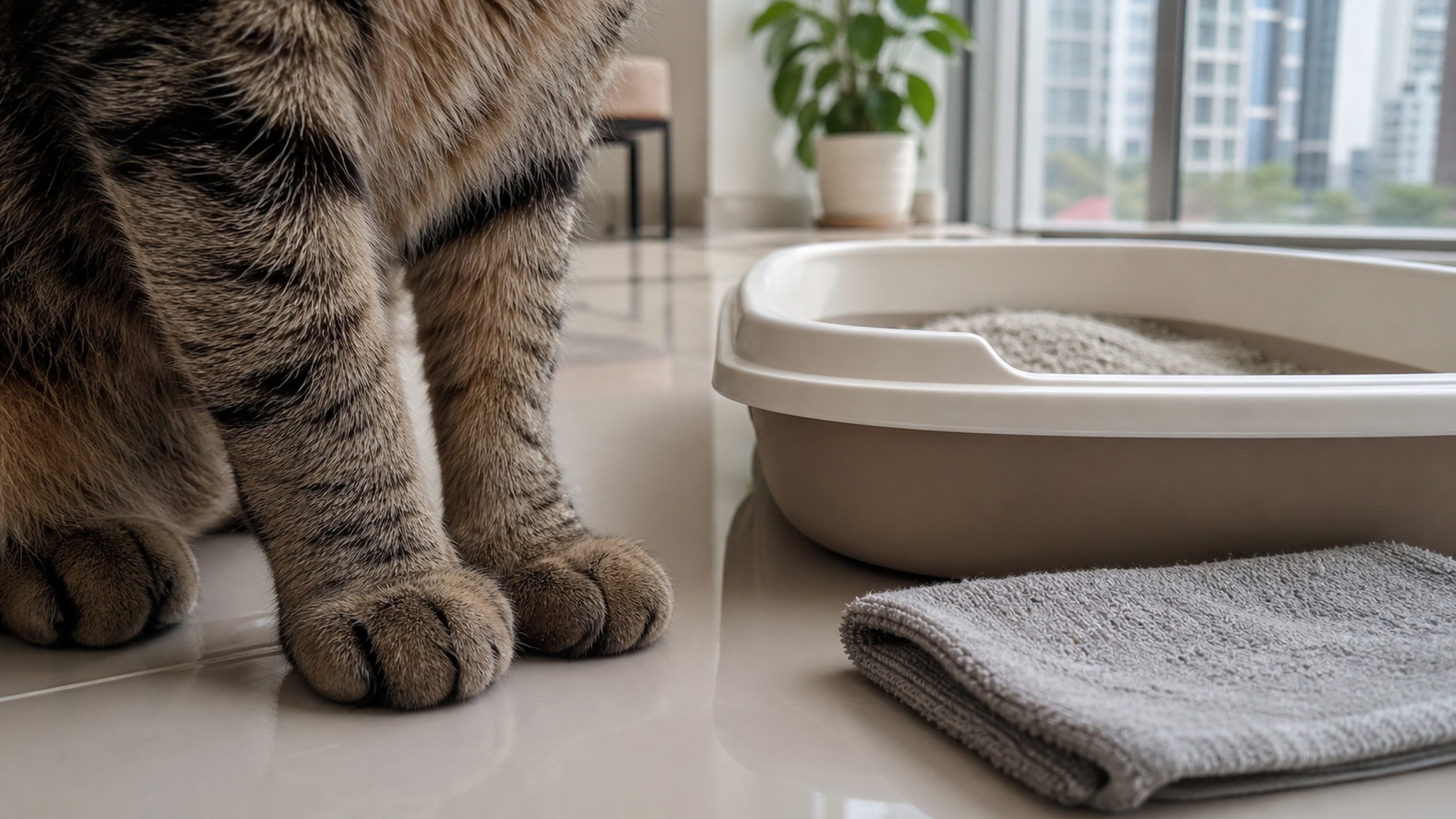
Why Cat Paws Can Get Irritated Faster in Malaysia’s Humid Weather
Cat paw problems Malaysia pet owners notice often start with the climate. Malaysia’s warm, humid weather can keep paw pads slightly damp for longer, especially in condos with limited airflow or landed homes where cats walk between indoor and semi-outdoor spaces. When moisture stays between the toes, the skin may become softer and more sensitive. This makes small scratches, litter dust, or cleaning residue more likely to cause irritation.
Humidity can also make odour and bacteria build up faster around litter areas, bathroom corners, balconies, and laundry spaces. A cat that steps through damp flooring, wet litter tracking, or dusty pasir kucing may lick its paws more often to clean them. Over time, repeated licking can make redness and swelling worse. That is why daily paw checks are useful, even for fully indoor cats.
Indoor cats are still exposed to paw triggers
Many cat owners assume paw irritation only affects cats that go outdoors, but indoor cats in Malaysia can still face plenty of triggers. Condo tiles may get hot near windows, litter dust can collect around enclosed trays, and disinfectant residue may remain on floors after mopping. In landed homes, cats may also walk through garden entrances, wet porches, or areas where insects and fleas are more common.
The key is to look at the whole home routine, not only the cat’s behaviour. A new cat litter, floor cleaner, flea product, or even a changed litter box location can affect the paws. Cat paw problems Malaysia households deal with are often easier to manage when caught early. Small changes in hygiene, ventilation, and product choice can make a noticeable difference.
Early Signs: Swelling, Redness, Limping, Over-Licking and Bad Smell
The earliest signs of paw irritation can be subtle. You may notice your cat licking one paw more than usual, shaking a foot after using the litter box, or avoiding certain floor areas. The paw pads may look red, dry, cracked, or slightly swollen. Some cats also become more sensitive when you touch their toes or trim their nails.
Limping is a stronger warning sign, especially if it appears suddenly. A cat may hold one paw up, walk slowly, or jump less confidently onto sofas, beds, or window ledges. If the problem is linked to litter dust or damp irritation, both front paws or back paws may be affected. If only one paw is painful, check carefully for a small wound, thorn, trapped litter granule, or broken nail.
Bad smell should not be ignored
A mild “litter box smell” after toileting is normal, but a sour, yeasty, or rotten smell from the paw itself is not. Bad smell can suggest moisture build-up, infection, or debris trapped between the toes. In Malaysia’s humid weather, these issues can develop faster if the paw stays wet or if the cat keeps licking the same area. Look between the toes and around the nails, not just at the paw pad surface.
Over-licking can also turn a small problem into a bigger one. Saliva keeps the skin wet, and rough licking can damage the surface layer of the skin. If the fur between the toes becomes brownish, sticky, or thin, your cat may have been licking for some time. This is one of the common cat paw problems Malaysia cat parents should check before it becomes painful.
Common Triggers at Home: Hot Floors, Damp Areas, Litter Dust and Cleaning Products
Hot floors are easy to overlook. Tiles near balcony doors, sun-facing windows, car porches, or outdoor corridors can become uncomfortable during the day. Cats may cross these areas quickly, but repeated exposure can still dry or irritate paw pads. If you would not comfortably stand barefoot on the surface, it may be too hot for your cat’s paws.
Damp areas are another common trigger in Malaysian homes. Bathrooms, wet kitchens, laundry corners, and balcony drainage spots can keep paws moist. Moisture softens the skin and creates a better environment for odour, yeast, and bacteria. If your cat likes resting in these areas, wiping the floor dry and improving airflow can help reduce irritation risk.
Litter dust and texture matter
Cat litter is one of the most important home factors. Very dusty litter can stick between toes and irritate sensitive skin, especially when mixed with urine moisture. Some cats are also sensitive to strong fragrance, deodorising crystals, or rough granules. When comparing cat litter or pasir kucing on Shopee, Lazada, or pet supply stores, look beyond price and consider dust level, texture, clumping control, and odour management.
A sudden litter change can trigger paw licking even if the product seems clean. Cats may dislike the new texture or react to added scent. If you suspect the litter is involved, switch gradually and monitor whether licking, redness, or limping improves. Cat paw problems Malaysia owners connect to litter are often reduced by choosing low-dust, unscented, paw-friendly options and keeping the tray dry.
Cleaning products can leave residue
Floor cleaners, bathroom disinfectants, pest sprays, and strong fragrances can all affect paws. Cats walk on treated surfaces and then lick their paws, so residue matters. Products with heavy perfume or harsh chemicals may cause irritation even when the floor looks dry. Always dilute correctly, rinse when needed, and allow the floor to dry before letting cats walk through.
This is especially important in homes where cleaning is frequent because of litter tracking, food mess, or odour control. A clean home is good, but “too strong” cleaning can create a different problem. Choose pet-safe cleaning routines and keep litter boxes away from freshly mopped areas. Good ventilation also helps reduce both chemical residue and humidity.
When Paw Problems Need a Vet Instead of Home Monitoring
Some paw issues can be monitored briefly at home, but others need a vet. If your cat is limping badly, refusing to put weight on a paw, bleeding, or crying when touched, do not wait. A wound, burn, abscess, broken nail, bite, or foreign object may need proper treatment. Home cleaning alone may not be enough and can delay recovery.
You should also see a vet if swelling increases, pus appears, the paw smells bad, or the skin looks raw. These signs may point to infection or a deeper skin problem. Cats can hide pain well, so a cat that stops jumping, hides more, eats less, or becomes unusually quiet may be feeling worse than it looks. In humid weather, infections can progress quickly, so early veterinary care is safer.
Watch for allergy and flea-related clues
Not all paw irritation comes from the floor or litter box. Fleas, mites, food sensitivities, or environmental allergies can also cause itching around the paws. If your cat scratches the neck, licks the belly, has scabs near the tail base, or shows repeated ear irritation, the paws may be part of a wider skin issue. In Malaysia, flea control matters even for indoor cats because insects can enter through corridors, balconies, gardens, or visiting humans.
If symptoms keep returning, take notes before the vet visit. Write down the cat litter used, cleaning products, flea prevention schedule, food changes, and when the licking started. Photos of the paw on different days can also help. This makes it easier for the vet to separate simple irritation from allergy, infection, injury, or parasite problems.
Prevention Tips: Litter Choice, Floor Cleaning, Flea Control and Daily Paw Checks
Prevention starts with the litter box. Choose low-dust litter, avoid strong scents if your cat is sensitive, and scoop daily so paws do not sit in damp clumps. Keep the area around the tray dry and sweep tracked granules often. For multi-cat homes, more trays can reduce mess and make it easier to spot which cat is having a problem.
Floor care should be practical and cat-safe. Wipe wet areas quickly, especially around bathrooms, balconies, and laundry spaces. After mopping, let floors dry before cats walk across them, and avoid leaving concentrated cleaner on the surface. If your cat often crosses hot tiles or porch areas, add shaded routes, mats, or cooler resting spots.
Daily paw checks take less than a minute
A quick paw check can catch cat paw problems Malaysia homes commonly miss. Look at the pads, between the toes, around the nails, and the fur underneath the paw. Check for redness, swelling, cracks, trapped litter, sticky residue, wounds, or unusual smell. You do not need to force the cat; choose a calm moment after meals or while grooming.
If your cat dislikes handling, build the habit slowly. Touch one paw briefly, reward calmly, then stop before the cat gets annoyed. Over time, this makes nail trimming and health checks much easier. It also helps you notice what is normal for your cat, so small changes stand out sooner.
Flea control and product consistency help
Flea control should be consistent, especially for cats in landed homes, balcony-access condos, or households with dogs. Use vet-recommended flea prevention and avoid mixing products without advice. Some products made for dogs are dangerous for cats, so always check labels carefully. If you see flea dirt, scabs, or intense licking, speak to a vet instead of guessing.
Product consistency also matters. Changing litter, food, cleaners, and flea products all at once makes it hard to identify the cause of irritation. Introduce changes one at a time and observe your cat’s paws and behaviour for a few days. This simple approach helps reduce repeat cat paw problems Malaysia owners often face in humid homes.
FAQ
1. Why does my cat keep licking its paws after using the litter box?
Your cat may be reacting to dust, rough litter texture, damp clumps, fragrance, or residue stuck between the toes. Try checking the paws right after litter box use and look for redness or trapped granules. If the licking started after changing litter, consider switching to a low-dust, unscented option. If licking continues or the paw becomes swollen, arrange a vet check.
2. Can Malaysia’s humid weather cause cat paw infections?
Humidity alone does not automatically cause infection, but it can make irritation worse by keeping paws damp. Moisture between the toes can encourage odour and microbial build-up, especially if there is already a scratch or over-licked area. Keeping litter areas dry and checking paws daily can lower the risk. Bad smell, pus, or worsening swelling should be seen by a vet.
3. Is scented cat litter bad for sensitive paws?
Some cats tolerate scented litter, but others may react to fragrance, deodorising additives, or dust. Sensitive cats may lick their paws more, avoid the litter box, or show redness between the toes. For cats with repeated paw irritation, unscented low-dust litter is usually a safer starting point. Good scooping habits and ventilation often control odour better than strong perfume.
4. Should I wash my cat’s paws if they look irritated?
You can gently wipe paws with clean water or a vet-safe wipe if there is visible dirt or litter dust. Avoid harsh soap, human antiseptic, essential oils, or strong disinfectants unless your vet instructs you. Dry the paws well after wiping because moisture can worsen irritation. If the paw is painful, bleeding, smelly, or swollen, do not rely on home washing only.
5. How often should I check my cat’s paws?
For most cats, a quick daily look is enough, especially in humid homes or during litter changes. Cats with allergies, flea issues, outdoor access, or previous paw irritation may need closer monitoring. Check more often if your cat starts limping, licking, or avoiding certain surfaces. Early checks make cat paw problems Malaysia households face much easier to manage.
Choosing Better Cat Supplies for Paw Comfort
Healthy paws depend on everyday choices: the litter your cat steps into, the cleaner used on your floors, the flea control routine, and the small grooming tools you keep at home. When shopping for cat supplies in Malaysia, compare low-dust cat litter, unscented formulas, pet-safe floor cleaners, flea prevention, nail clippers, and gentle wipes with your cat’s habits in mind. Affordable options can work well, but do not judge by price alone; look at dust control, texture, odour performance, and whether your cat actually accepts the product. A paw-friendly home setup helps reduce irritation, keeps litter areas cleaner, and makes daily care easier for both you and your cat.
延伸閱讀
- Is Your Cat’s Weight Changing? Home Tracking Tips Malaysian Owners Should Start Before It Becomes Serious
- Cat First Aid Kit for Malaysian Homes: What to Keep Ready Before Heat, Fleas or Minor Wounds Happen
- Do Indoor Cats in Malaysia Still Need Flea Prevention? What Humid Homes Should Watch For
Last updated:2026-06-18 by CatGarden
CatGarden Deodorizing Mineral Cat Litter 3.0