▶Cat Column, Environment cleaning care
Is Near-Expiry Cat Food Safe? A Singapore Owner’s Checklist Before You Buy or Accept Free Packs
What Near-Expiry Cat Food Means
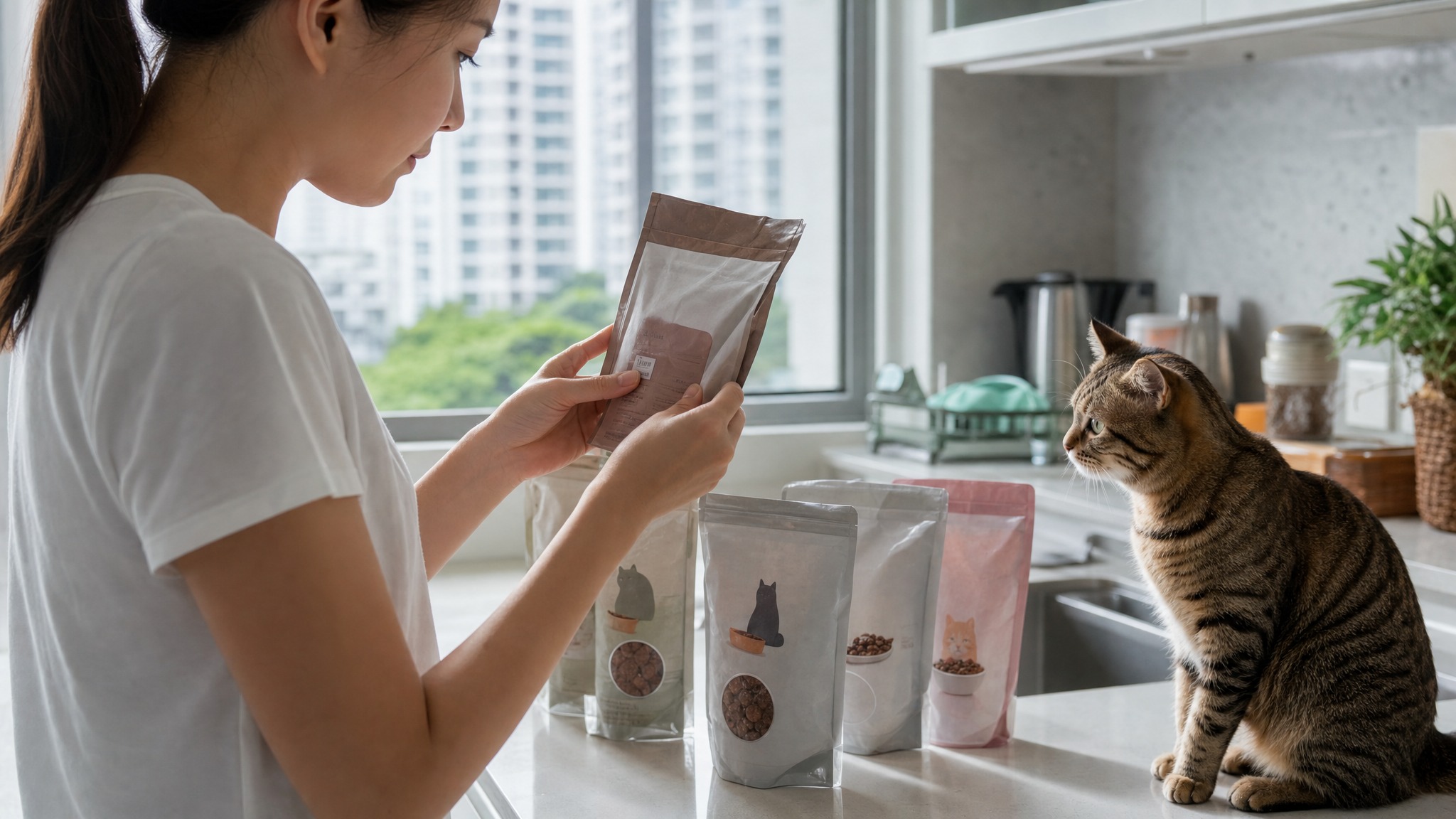
Near-expiry cat food usually means the product is close to the “best before” or “use by” date printed on the packaging. It does not automatically mean the food is spoiled, unsafe, or nutritionally useless. However, it does mean Singapore cat owners should check the pack more carefully before buying, accepting free samples, or feeding it to an indoor cat.
In Singapore, many cat owners buy food online during promotions, bundle sales, warehouse clearance, or pet fair campaigns. These deals can be useful, especially for multi-cat homes or busy working owners who prefer delivery. But a cheaper price is only worth it if the food can be finished safely before quality drops. For HDB cats and apartment cats that eat small portions, a large bag close to expiry may not be a good deal at all.
Best Before vs Use By
A “best before” date usually refers to food quality, such as freshness, aroma, texture, and nutrient stability. The food may not become dangerous immediately after that date, but it may no longer be at its best. A “use by” date is stricter and should be treated more cautiously, especially for wet food, fresh food, or any product that requires refrigeration.
Cat food can also deteriorate before the printed date if it has been stored badly. Heat, humidity, damaged packaging, and repeated exposure to air can all affect quality. This matters a lot in Singapore because room temperature and humidity can be high even inside flats. A pack that looks fine on paper may still be risky if it has been sitting in poor storage conditions.
When It May Be Okay to Feed
Near expiry cat food may be acceptable if the packaging is fully sealed, the expiry date is still valid, and your cat can finish it within a sensible timeframe. For dry food, the bag should not be torn, swollen, oily on the outside, or giving off a stale smell. For wet food, cans and pouches should be intact, clean, and free from dents, leaks, rust, or bloating. If anything looks odd, skip it.
It is also important to consider your cat’s health. A healthy adult cat with a stable appetite may tolerate a short-term food change better than a kitten, senior cat, pregnant cat, or cat with kidney, urinary, digestive, skin, or allergy issues. If your cat is on a vet-prescribed diet, do not replace it with clearance food just because the price is attractive. Always check with your vet before changing medical or prescription diets.
A Practical Feeding Window
For dry food, only buy a near-expiry bag if your household can finish it well before the date, not just around it. Once opened, dry food is exposed to air and moisture, so the clock moves faster. A small bag may be more practical than a large value pack for one HDB cat. The cheapest option per kilogram may become waste if the food turns stale halfway through.
For wet food, be even more conservative. Cans and pouches should be used before expiry, and leftovers should be refrigerated promptly after opening. In Singapore’s humid weather, wet food should not sit out for long, especially in a warm kitchen or service yard. If your cat is a slow eater, serve smaller portions and discard leftovers that smell sour, look dry, or have changed texture.
Red Flags Singapore Owners Should Not Ignore
Never feed cat food if the pack is swollen, leaking, mouldy, oily, torn, rusty, or has a strange smell. Dry kibble should not smell rancid, sour, musty, or unusually strong. Wet food should not hiss excessively when opened, foam, bubble, or look separated in an abnormal way. When in doubt, it is safer to throw it away than to risk vomiting, diarrhoea, or a stressful vet visit.
Singapore owners should also be careful with free packs from community groups, resale chats, office giveaways, or neighbours clearing storage space. Many people give food away with good intentions, but they may not remember how long the item has been kept or whether it was stored in heat. If the donor cannot confirm storage conditions, expiry date, and whether the pack was previously opened, treat it with caution. Free food is not free if it leads to medical bills.
Watch Your Cat After Feeding
If you decide to feed a small amount of near expiry cat food, observe your cat closely for the next 24 to 48 hours. Look for vomiting, diarrhoea, refusal to eat, drooling, unusual tiredness, or sudden changes in drinking and litter box habits. For indoor cats in Singapore flats, changes in litter box output are often one of the first signs something is wrong. If symptoms are repeated, severe, or your cat seems weak, contact a vet.
Do not keep testing a questionable food just because your cat ate it once. Cats may eat food that smells acceptable to them even when the quality is not ideal. If two cats in the same household react badly after eating the same batch, stop feeding it immediately. Keep the packaging and batch number in case your vet or seller needs the details.
How Humidity and Storage Affect Cat Food
Singapore’s humidity is one of the biggest reasons cat food storage matters. Dry food can absorb moisture from the air, which may affect crunch, smell, and freshness. Moisture also increases the risk of mould or pests if the bag is not sealed properly. This is especially relevant for HDB homes where pet food may be stored near kitchens, windows, service yards, or laundry areas.
Air-con rooms may help reduce heat and humidity, but storage still needs care. Do not pour kibble directly into a plastic container unless the container is washed and fully dried between refills. Old oil residue from previous food can turn rancid and contaminate the new batch. A better method is to keep dry food in its original bag, clip it tightly, then place the whole bag inside an airtight container.
Storage Tips for HDB and Apartment Homes
Store dry food in a cool, dry area away from sunlight, washing machines, windows, and the stove. Avoid placing food directly on the floor if the area is prone to moisture or cleaning water. If your flat gets warm in the afternoon, choose smaller bags that can be finished quickly. This reduces the risk of keeping opened food for too long.
For wet food, unopened cans and pouches should be stored according to the label. After opening, transfer leftovers to a clean covered container and refrigerate them. Do not leave opened cans uncovered in the fridge because odours and metal taste may affect the food. Warm refrigerated food slightly to room temperature before serving if your cat dislikes cold meals, but do not leave it out for extended periods.
Safer Ways to Buy Cat Food Online
When buying cat food Singapore owners should check the seller’s expiry date policy before paying. A good listing should clearly state the expiry date, especially for clearance items. If the date is missing, ask before ordering. For near expiry cat food, make sure the discount is meaningful enough to justify the shorter feeding window.
Choose sellers who pack properly, ship quickly, and respond clearly to questions about batch dates. This matters for ecommerce delivery because parcels may sit in vans, collection points, or corridors before reaching you. If a wet food carton arrives damaged, leaking, or warm with suspicious swelling, take photos and contact the seller before feeding. Do not assume the product is fine just because the outer carton looks mostly intact.
Buy According to Your Cat’s Actual Eating Speed
A common mistake is buying too much during promotions. One indoor cat may take weeks or months to finish a large bag, especially if it eats mainly wet food. Multi-cat households may go through food faster, but they still need to rotate stock carefully. Use the oldest valid pack first and avoid opening multiple large bags at the same time.
For trial packs, buy small quantities first before committing to a carton or bundle. Cats can be particular about texture, smell, and flavour, and sudden food changes can upset digestion. If you are switching food, mix the new food gradually with the old food over several days, unless your vet advises otherwise. This is safer than introducing a full bowl of unfamiliar clearance food at once.
A Simple Checklist Before You Buy
- Check the date: Make sure your cat can finish the food before expiry.
- Check the packaging: Avoid torn bags, swollen cans, leaks, rust, or dents.
- Check the seller: Prefer reliable sellers with clear expiry information.
- Check storage: Store food away from heat, sunlight, and humidity.
- Check your cat: Avoid risky food for kittens, seniors, sick cats, or prescription diets.
This checklist is especially useful for Singapore homes where storage space is limited and humidity is high. It also helps busy owners avoid impulse buying during online sales. A good deal should fit your cat’s real feeding routine, not just your shopping cart. If the food cannot be finished safely, choose a fresher pack instead.
Final Thoughts: Is Near-Expiry Cat Food Worth It?
Near expiry cat food is not always unsafe, but it needs careful judgment. If the product is sealed, properly stored, still within date, and suitable for your cat’s health, it may be reasonable for short-term use. The key is to buy only what your cat can finish comfortably. In Singapore’s humid climate, stretching food too close to the date is rarely worth the risk.
For most owners, freshness, storage, and suitability matter more than a small discount. This is especially true for cats with sensitive stomachs, urinary concerns, skin issues, or strict diet requirements. If you are unsure whether a food is suitable, ask your vet and keep your cat’s usual diet stable. Your cat’s health should decide the purchase, not the promotion banner.
CTA: If you are reviewing your cat’s food at home, it is also a good time to check the rest of your daily setup. Singapore indoor cats depend on consistent meals, clean bowls, fresh water, suitable litter, odour control, and enrichment that fits HDB or apartment living. Instead of buying random clearance items, choose cat supplies that match your cat’s age, habits, storage space, and your home routine. Look for properly dated food, practical pack sizes, reliable litter, feeding accessories, and everyday essentials that help you care for your cat with less guesswork. A thoughtful cat supplies setup can make feeding safer, cleaning easier, and daily care more stable.
FAQ
Can cats eat food after the best before date?
It is better not to feed expired cat food, especially in Singapore’s humid climate. A best before date may refer to quality rather than immediate danger, but nutrition, smell, and freshness can decline. If the food is past date, smells odd, or has damaged packaging, discard it. For cats with health issues, ask a vet before taking any risk.
How close to expiry is too close for dry cat food?
There is no single rule, because it depends on pack size, storage, and how fast your cat eats. If you cannot finish the bag well before the printed date, do not buy it. For one HDB cat, a large discounted bag close to expiry may be impractical. Smaller fresh packs are usually safer and easier to manage.
Is near-expiry wet cat food riskier than dry food?
Wet food can be more sensitive because cans and pouches contain moisture and must remain properly sealed. Do not use swollen, leaking, rusty, badly dented, or strange-smelling wet food. Once opened, refrigerate leftovers quickly and use them within a short period. When feeding near expiry cat food in wet form, be extra strict with inspection.
What should I do if my cat vomits after eating near-expiry food?
Stop feeding that food immediately and monitor your cat closely. If vomiting happens once and your cat remains active, you can observe, but repeated vomiting, diarrhoea, weakness, or refusal to eat needs vet attention. Keep the packaging, expiry date, and batch number. This information may help your vet assess the situation.
How should I store cat food in Singapore?
Keep dry food sealed in its original bag and place the bag inside an airtight container. Store it in a cool, dry area away from sunlight, heat, and laundry moisture. For wet food, keep unopened items as labelled, and refrigerate leftovers in a covered container after opening. Good storage helps protect freshness in humid weather.
延伸閱讀
- Best Cat Litter for Singapore Humidity: Odour Control, Clumping, and Tracking Checks
- Best Cat Litter for Singapore Humidity: Odour Control, Clumping, and Tracking Checks
- Is Wet Food Better in Singapore’s Hot Weather? A Practical Feeding Guide for Indoor Cats
Last updated:2026-06-06 by CatGarden
CatGarden Deodorizing Mineral Cat Litter 3.0