
▶Cat Column, Everyday beauty care
Can Mold in a Humid Singapore Flat Affect Your Cat? Warning Signs, Cleaning Checks, and Vet Thresholds
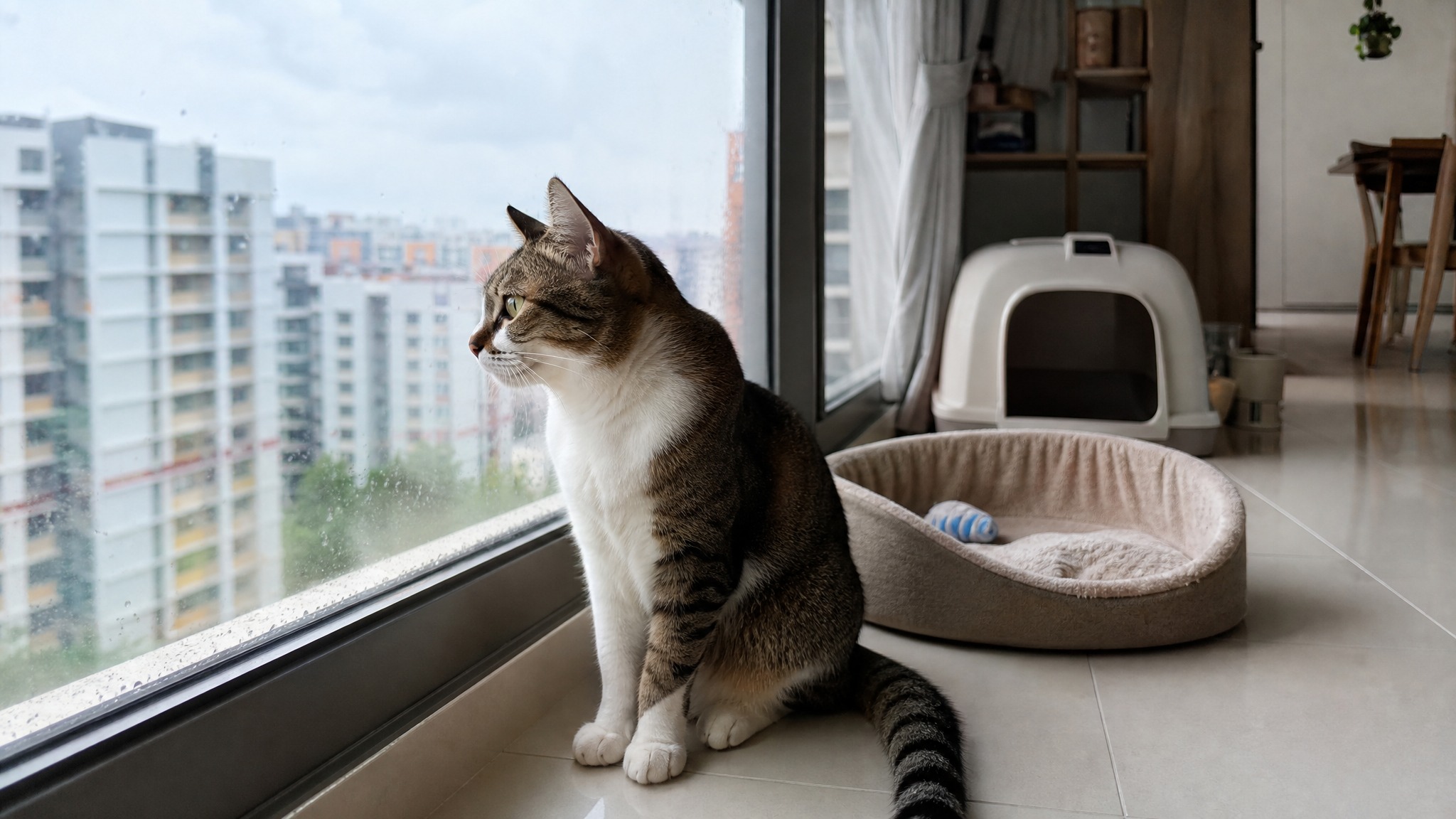
Why Mold Becomes a Cat Health Concern in Humid Singapore Homes
Singapore’s humid weather makes mold a common household issue, especially in HDB flats where bathrooms, kitchens, laundry corners, and air-con rooms may stay damp for long hours. For indoor cats, this matters because they live close to the floor, nap near walls and cabinets, and groom themselves after walking across dusty or damp surfaces. When owners search for mold cats Singapore, they are usually worried about whether everyday mold exposure can affect breathing, skin, or general comfort.
Mold does not affect every cat in the same way. A healthy adult cat may show no obvious signs after mild exposure, while a kitten, senior cat, flat-faced breed, or cat with asthma, allergies, or past respiratory problems may be more sensitive. Mold can also worsen odour, damp litter areas, and skin irritation when the home environment stays wet. If your cat is already sneezing, scratching, or avoiding a room, the mold issue should be treated as both a home hygiene concern and a possible vet discussion.
Why indoor cats may be more exposed
Many Singapore cats are indoor HDB cats, which is safer for road and outdoor risks but means their air quality depends heavily on the flat. Closed windows, air-con use, wet laundry drying indoors, and limited sunlight can all trap moisture. Cats also spend hours in hidden corners where people rarely check, such as under beds, beside wardrobes, behind storage boxes, and near bathroom entrances. These are exactly the places where small mold patches may grow unnoticed.
The concern is not only black stains on walls. Musty smells, soft damp wood, dusty vents, and condensation around windows can all signal a moisture problem. If your cat likes sitting near an air-con unit, sleeping inside a wardrobe, or hiding behind a shoe cabinet, those areas deserve extra checks. For mold cats Singapore concerns, the practical first step is to identify where dampness keeps returning.
Common Mold Spots Cat Owners Should Check in HDB Flats
In Singapore flats, mold often appears where warm humid air meets poor ventilation. Bathrooms are the obvious place, especially around silicone seals, floor corners, ceiling patches, and the back of bathroom doors. Kitchens can also develop mold behind appliances, under sinks, near rubbish bins, and around cabinets where water pipes run. If your cat’s food or water bowl is placed near these areas, move them away while you inspect and clean.
Bedrooms and living rooms can also hide mold, even when they look tidy. Check behind wardrobes, curtains, bookcases, storage boxes, and any wall that feels cool or slightly damp. Air-con rooms need special attention because condensation, dirty filters, and closed-door sleeping habits can keep moisture circulating. A cat that always sleeps in the same corner may be your early clue that a spot needs checking, either because it feels cool or because the area has become part of their routine.
Food, litter, and storage areas
Cat food storage is an easy area to overlook. In humid Singapore weather, dry food should be sealed properly and kept away from heat, sinks, windows, and damp cabinets. If kibble smells stale, clumps together, or the container has condensation, it is safer to discard the affected food and clean the container thoroughly. Owners looking for cat food Singapore options should also consider packaging size, freshness, and whether the food can be finished before it absorbs too much moisture.
Litter corners are another important checkpoint. Cat litter Singapore searches often focus on odour control, but moisture control is just as important in small apartments. A damp litter area can create stronger smells, encourage bacterial growth, and make the cat avoid the box. Check the wall behind the litter tray, the floor under the mat, and any nearby cabinet or storage shelf for musty smells or dark patches.
- Bathroom: tiles, grout, silicone edges, ceiling corners, door backs.
- Kitchen: sink cabinet, rubbish area, dish rack wall, appliance backs.
- Bedroom: wardrobe backs, curtains, storage boxes, air-con wall.
- Cat zones: litter tray wall, food storage, water bowl area, cat beds.
- Ventilation points: air-con filters, window tracks, fans, dehumidifier tanks.
Cat Symptoms That May Need a Vet’s Advice
Mold exposure can be difficult to separate from dust, pollen, perfume, cleaning sprays, litter dust, or viral infections. That is why owners should avoid self-diagnosing based only on a stain on the wall. Still, certain changes should prompt closer observation and, when persistent or serious, a vet visit. In mold cats Singapore situations, the safest approach is to clean the environment while watching your cat’s breathing, skin, appetite, and behaviour.
Respiratory signs are the most common concern. Sneezing, coughing, wheezing, nasal discharge, noisy breathing, or faster breathing at rest can all suggest irritation or illness. If your cat is open-mouth breathing, struggling to breathe, has blue or pale gums, collapses, or seems extremely weak, treat it as urgent and contact a vet or emergency clinic immediately. Breathing trouble is not something to monitor casually at home.
Skin, coat, and behaviour changes
Some cats show discomfort through skin and coat changes. You may notice scratching, over-grooming, red skin, dandruff, scabs, ear irritation, or hair thinning. These signs can come from fleas, food reactions, mites, fungal infection, allergies, or stress, so a vet check is important if they continue. Mold may be one part of the environment, but it should not be assumed to be the only cause.
Behaviour changes also matter. A cat that avoids a room, refuses a litter box, sleeps more than usual, hides, eats less, or becomes unusually cranky may be reacting to discomfort. In busy Singapore households, it is easy to miss gradual changes because everyone is rushing between work, school, and errands. Keep a short note of when symptoms started, which rooms your cat uses, what cleaning products were used, and whether any mold removal happened recently.
- Call a vet soon: coughing, repeated sneezing, wheezing, skin redness, appetite drop, or symptoms lasting more than a few days.
- Seek urgent care: open-mouth breathing, severe lethargy, collapse, pale gums, or obvious breathing distress.
- Bring useful details: photos of mold spots, cleaning products used, litter type, food changes, and symptom timeline.
How to Clean Mold-Prone Areas Without Stressing Your Cat
Cleaning is important, but cats are sensitive to strong smells, loud equipment, and sudden changes in their territory. Before cleaning mold-prone areas, move your cat to a separate room with water, litter, and a familiar bed. Keep windows open where possible, use fans safely, and avoid letting your cat walk across wet surfaces. If the mold patch is large, keeps returning, or involves ceilings, built-in cabinets, or water leaks, consider professional help instead of repeated surface wiping.
Never mix cleaning chemicals, especially bleach with ammonia or acidic cleaners. Many household products are irritating to cats even after they smell mild to humans. Read labels, ventilate well, rinse surfaces where appropriate, and let everything dry fully before allowing your cat back. The goal is not just to remove visible stains, but to reduce the damp conditions that allow mold to return.
Low-stress cleaning routine for cat homes
Start with containment. Remove cat bowls, toys, beds, scratching boards, and litter items from the cleaning zone. Wash fabric items according to care labels and dry them completely before reuse. For hard surfaces, clean carefully, dry thoroughly, and check whether water is entering from leaks, condensation, or poor airflow.
After cleaning, observe whether the area stays dry for the next few days. If musty smells return quickly, wiping alone will not solve the root problem. You may need a dehumidifier, better air circulation, plumbing repair, or changes to where laundry is dried. For mold cats Singapore households, prevention is usually more effective than heavy cleaning every few weeks.
- Keep your cat away from the area during cleaning and drying.
- Ventilate the room before, during, and after cleaning.
- Use pet-safe habits: rinse, dry, and store chemicals securely.
- Do not spray strong fragrances to cover musty odours.
- Replace moldy cardboard scratchers, badly affected mats, or damp bedding.
Cat Supplies That Help Reduce Dampness, Odour, and Skin Irritation
The right cat supplies cannot fix a leaking pipe or a moldy wall, but they can help make a humid home easier to manage. In Singapore, where many cats live indoors year-round, owners should think about moisture control, odour control, and easy cleaning. This is especially useful for small HDB flats where the food station, litter box, and laundry area may be close together. Good product choices support a cleaner home and reduce avoidable irritation around your cat’s daily routine.
For litter, choose a type that manages odour without excessive dust or heavy fragrance. Strong perfume may smell “clean” to people but can bother cats and discourage litter box use. Keep the tray in a ventilated area, scoop daily, and wash the box regularly so damp litter does not sit for too long. If you are comparing cat litter Singapore options, look for practical details such as clumping quality, dust level, tracking, and how well it performs in humid weather.
Food storage and skin-friendly basics
Food freshness matters in a humid climate. Buy dry food in quantities your cat can finish within a reasonable time, seal it in an airtight container, and keep it away from bathrooms, windows, and warm appliances. Wet food should be served fresh, with leftovers refrigerated promptly according to safe handling guidance. When shopping for cat food Singapore options, freshness and storage fit are just as important as ingredient preferences.
For cats with sensitive skin, simple supplies can help reduce irritation. Washable beds, easy-clean mats, stainless steel bowls, low-dust litter, and regular grooming tools can reduce the build-up of dust, moisture, and residue. If your cat already has skin redness, bald patches, or repeated scratching, supplies alone are not enough and a vet should assess the cause. The best approach is to combine a dry, clean home environment with proper medical advice when symptoms appear.
- Low-dust litter: helps reduce airborne particles around enclosed flats.
- Airtight food containers: protect kibble from humidity and pests.
- Washable cat beds: easier to clean after damp or musty smells appear.
- Absorbent litter mats: keep damp tracking away from floors and walls.
- Stainless steel bowls: easier to wash and dry thoroughly.
- Dehumidifying support: useful for rooms that stay damp, but place devices safely away from cats.
FAQ
Can mold make my cat sick in Singapore?
Mold may irritate some cats, especially those with asthma, allergies, respiratory issues, or weaker immune systems. However, symptoms like coughing, sneezing, scratching, or poor appetite can have many causes. If signs are persistent, worsening, or involve breathing difficulty, speak to a vet. For mold cats Singapore concerns, clean the environment and get medical advice when symptoms are more than mild or short-lived.
Is black mold always dangerous for cats?
Any visible mold should be treated seriously, but owners should not try to identify risk by colour alone. Different molds can look similar, and the real issue is usually moisture, poor ventilation, and repeated exposure. Keep your cat away from affected areas while cleaning or arranging repairs. If there is a large patch, ceiling spread, or recurring dampness, professional assessment is safer.
Should I use bleach to clean mold if I have a cat?
Bleach may be used in some household cleaning situations, but it must be handled carefully and never mixed with other cleaners. Cats should be kept away from the area, and the room should be well ventilated until surfaces are dry and fumes have cleared. Some surfaces also need different treatment, and repeated mold may indicate a moisture problem rather than a cleaning problem. When unsure, choose safer cleaning guidance from reliable local or vet-informed sources.
What litter is better for humid Singapore homes?
There is no single best litter for every cat, but low-dust, good-clumping, and odour-controlling litter is practical for humid flats. Avoid relying only on strong fragrance, as some cats dislike it and may avoid the box. Scoop daily, keep the litter area dry, and wash the tray regularly. If odour remains strong despite cleaning, check for damp walls, poor ventilation, or possible health issues such as urinary problems.
When should I bring my cat to the vet?
Book a vet visit if your cat has repeated coughing, wheezing, nasal discharge, skin irritation, appetite loss, lethargy, or symptoms that last more than a few days. Seek urgent care if your cat has open-mouth breathing, severe weakness, collapse, or pale gums. Bring photos of mold spots, details of cleaning products used, and any recent changes in food or litter. This helps the vet judge whether the environment may be part of the problem.
Cat Supplies for a Cleaner, Drier Home
Managing mold cats Singapore worries is easier when your cat’s daily setup supports a dry, low-odour home. Choose cat supplies that fit Singapore living: low-dust litter for compact HDB flats, airtight food containers for humid kitchens, washable beds, easy-clean mats, and bowls that dry quickly after washing. These small upgrades do not replace vet care or proper mold removal, but they reduce avoidable dampness and make symptoms easier to monitor. If your cat has sensitive skin, litter box odour issues, or food that loses freshness too quickly, start with the items used every day. A cleaner routine helps your cat feel more comfortable while giving you better control over moisture, smell, and hygiene at home.
延伸閱讀
- Can Cats Overheat in Singapore? Heat Stress Signs, Cooling Checks, and When to Call a Vet
- How to Reduce Humidity for Cats in Singapore Flats: Mold, Damp Bedding, and When It Becomes a Health Risk
- Are Maine Coons Healthy Cats? Common Breed Risks, HDB Living Checks, and Care Tips for Singapore Owners
Last updated:2026-06-07 by CatGarden
CatGarden Deodorizing Mineral Cat Litter 3.0