
▶Cat Column, Everyday beauty care
How Often Should Senior Cats See a Vet in Singapore? A Practical HDB Health Check Guide
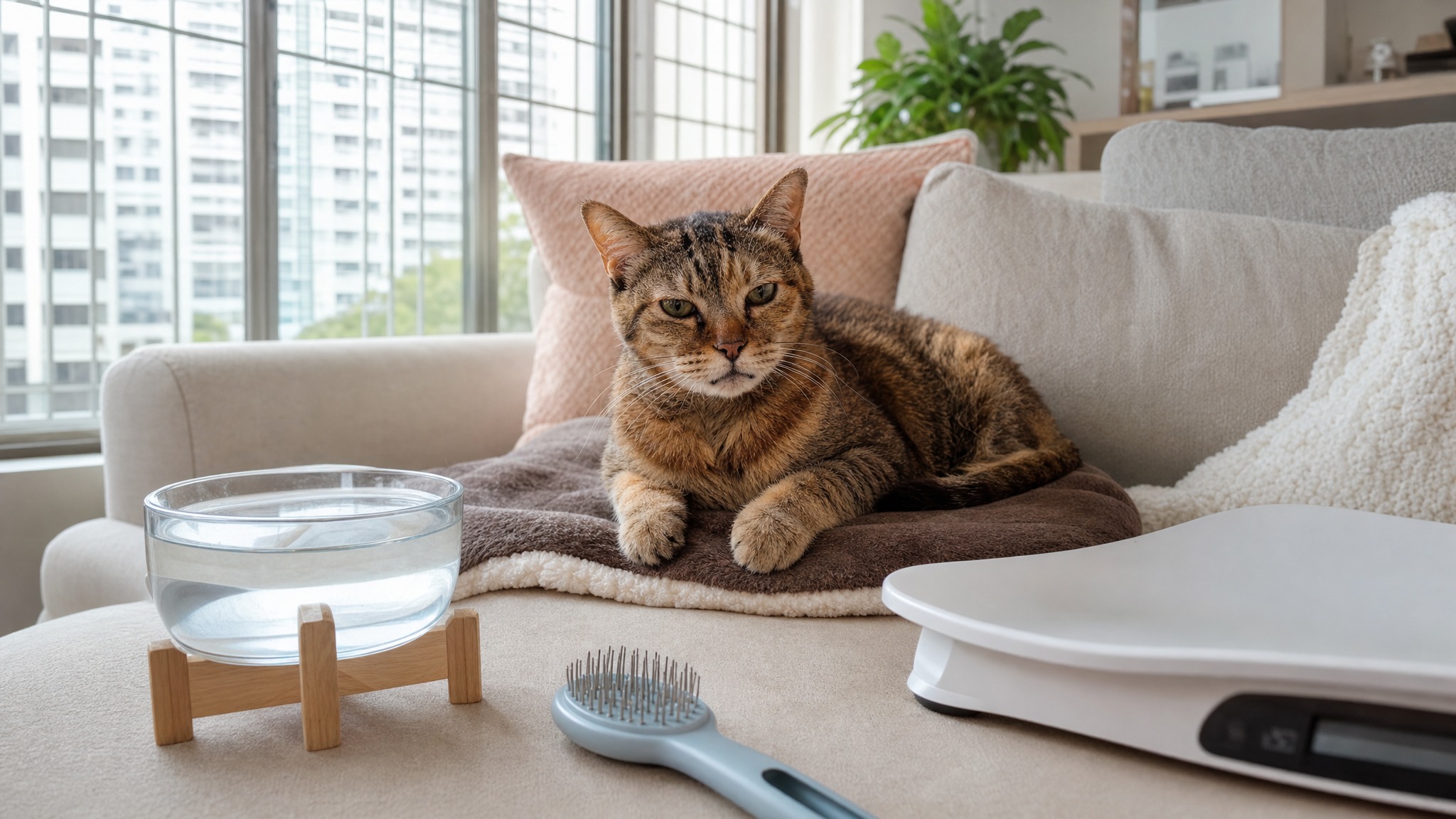
When Is a Cat Considered Senior?
Most cats are generally considered senior from around 11 years old, although ageing does not happen at the same speed for every cat. Some cats remain active, playful, and food-motivated well into their teens, while others start showing changes earlier. For Singapore owners, the practical question is not only the number of years, but whether your cat’s habits, weight, grooming, and mobility have started to shift.
In an HDB flat, these changes can be easy to miss because many cats live predictable indoor routines. A senior cat may still eat, sleep, and use the litter box, but move less, jump lower, or hide discomfort better than expected. This is why a regular senior cat vet routine matters: it helps catch health issues before they become obvious at home.
Senior, geriatric, and “still acting normal”
A cat around 11 to 14 years old is often described as senior, while cats 15 years and above may be considered geriatric. These labels are not meant to scare owners; they simply remind us that health risks rise with age. Kidney disease, dental pain, arthritis, thyroid issues, and weight changes are more common in older cats.
Many senior cats in Singapore are indoor HDB cats, which can make them seem safer and lower-risk. Indoor living does reduce some dangers, but it does not prevent age-related illness. Humid weather, air-con rooms, reduced activity, and busy owner schedules can all affect hydration, appetite, coat condition, and litter box habits.
How Often Should Senior Cats Visit the Vet?
As a practical guide, senior cats should usually see a vet at least once every six months, even if they look well. For younger adult cats, an annual visit may be enough, but older cats can change quickly within a few months. A six-month check gives your vet a better chance to spot trends in weight, dental health, blood pressure, hydration, and organ function.
If your cat already has a known condition, your vet may recommend more frequent reviews. Cats with kidney disease, diabetes, thyroid disease, heart concerns, chronic dental problems, or arthritis may need tailored monitoring. The best senior cat vet schedule depends on your cat’s age, medical history, medications, and how stable their condition is.
What happens during a senior cat check-up?
A senior check-up is more than a quick look at your cat’s body. Your vet may check weight, body condition, teeth, gums, eyes, ears, heart, breathing, joints, abdomen, coat, and hydration. They may also ask about appetite, drinking, litter box output, vomiting, grooming, sleep patterns, and mood.
For older cats, vets may recommend blood tests, urine tests, blood pressure checks, or other screening based on symptoms and history. These tests can be useful because cats often hide illness until it is advanced. If your cat seems “just a bit slower”, a proper exam can help separate normal ageing from pain or disease.
Why six-monthly visits make sense in Singapore
Singapore’s compact homes and busy work routines can make subtle health changes harder to notice. If your cat spends most of the day resting under the bed, on a sofa, or in an air-con room, reduced movement may not stand out immediately. Litter box changes can also be missed if multiple cats share the same tray.
Six-monthly visits create a rhythm for prevention instead of waiting for a crisis. This is especially helpful for owners ordering cat food Singapore-wide through ecommerce delivery, because diet changes and product choices can be reviewed alongside health needs. A good senior cat vet conversation should include what your cat eats, how much they drink, and whether their litter box habits have changed.
Home Health Checks Singapore Owners Can Do Weekly
Weekly home checks do not replace the vet, but they help you notice changes early. Choose a calm time, such as after dinner or when your cat is relaxed, and keep the check gentle. Senior cats may dislike being handled for long, so short and consistent checks are better than forcing a full inspection.
For HDB cat owners, a weekly routine is useful because your cat’s environment is stable. When the home, food, litter, and daily schedule are mostly the same, small changes in behaviour become more meaningful. If something looks different for more than a day or two, note it down and consider whether a vet call is needed.
Check appetite, water, and weight
Watch whether your senior cat finishes meals as usual, eats more slowly, drops food, or avoids dry kibble. A sudden increase in hunger can also be a warning sign, especially if weight is dropping. If possible, weigh your cat every two to four weeks using a pet scale or by weighing yourself with and without your cat.
Water intake is also important in Singapore’s humid weather. Some cats drink more when the home is warm, while others may drink less if they stay in air-con rooms and are fed mainly wet food. A noticeable increase or decrease in drinking should be discussed with a vet, especially for older cats.
Check litter box habits and odour
The litter box often gives the earliest clues about senior cat health. Look for changes in urine clump size, frequency, stool texture, straining, accidents outside the tray, or stronger-than-usual odour. In HDB flats, odour control matters, but do not mask a health change with fragrance before understanding the cause.
Choosing the right cat litter Singapore owners can manage daily is part of health monitoring. Low-dust litter, easy scooping, and a tray placed in an accessible area can make life easier for older cats. If your cat has stiff joints, a lower-entry litter box may reduce accidents and stress.
Check movement, grooming, and mood
Notice whether your cat hesitates before jumping, sleeps in lower places, walks stiffly, or avoids favourite windows and shelves. These may be signs of arthritis or discomfort, not just laziness. Senior cats rarely complain clearly, so movement changes deserve attention.
Grooming can also change with age. A senior cat may develop mats, dandruff, oily fur, or an unkempt coat because bending becomes uncomfortable. Mood changes such as hiding, irritability, clinginess, or reduced interaction can also be health-related and should not be dismissed.
Warning Signs That Should Not Wait
Some symptoms should not be monitored at home for too long. If your senior cat stops eating, struggles to breathe, cannot urinate, collapses, has repeated vomiting, shows severe weakness, or seems painful, contact a vet urgently. Older cats have less reserve, so delays can become serious quickly.
A senior cat vet visit is especially important when changes appear suddenly. Cats are skilled at hiding discomfort, and by the time they look visibly unwell, the issue may already be significant. When in doubt, call a clinic and describe the symptoms clearly rather than waiting for the next routine appointment.
Eating, drinking, and toilet red flags
If a cat does not eat for a full day, it is worth taking seriously, especially for seniors. Refusing food, drooling, pawing at the mouth, chewing on one side, or dropping food may point to dental pain or nausea. Drinking much more than usual can be linked to kidney disease, diabetes, thyroid issues, or other conditions that need testing.
Toilet changes are also urgent in some cases. Straining in the litter box, crying, frequent trips with little urine, or no urine output can be an emergency. Blood in urine, persistent diarrhoea, black stools, or constipation that does not resolve should also be checked promptly.
Breathing, pain, and behaviour red flags
Open-mouth breathing, fast breathing at rest, blue or pale gums, or laboured breathing should be treated as urgent. Cats do not usually pant like dogs, so breathing changes can be serious. Keep your cat calm and seek veterinary advice quickly.
Pain may show as hiding, aggression, growling when touched, a hunched posture, trembling, or sudden avoidance of movement. A senior cat that suddenly stops jumping, refuses to be carried, or hides in unusual places may be unwell. Behaviour is health information, especially in older cats.
Supplies That Make Senior Cat Care Easier at Home
The right home setup can make senior cat care more comfortable and easier to monitor. Good supplies do not replace medical care, but they support hydration, mobility, hygiene, and daily routines. For Singapore homes, the best choices are usually compact, easy to clean, and practical for HDB living.
When choosing cat supplies, think about what your senior cat can use comfortably every day. A product that looks nice but is difficult to enter, clean, or maintain may not help much. The goal is to reduce stress for both the cat and the owner while making health changes easier to spot.
Food and hydration support
Senior cats may benefit from diets that match their health needs, but diet changes should be discussed with your vet if your cat has medical conditions. Some cats need kidney-support diets, weight management, dental support, or higher moisture intake. Do not switch to a prescription-style diet without professional advice.
For everyday feeding, many Singapore owners use a mix of wet food, dry food, and water fountains. Wet food can support hydration, while a fountain may encourage some cats to drink more. Choose bowls that are stable, shallow, and easy for older cats to access without bending too much.
Litter, cleaning, and odour control
In humid Singapore weather, litter box maintenance can affect both comfort and hygiene. Senior cats may become fussier about dirty trays, strong smells, or litter texture. Scoop daily, wash trays regularly, and avoid overpowering fragrances that may discourage litter box use.
For older cats, consider low-dust litter, a larger tray, and a lower entrance. If your cat has arthritis, climbing into a high-sided box may become uncomfortable. Good odour control should come from regular cleaning and suitable litter, not just perfume.
Mobility and comfort items
Senior cats often appreciate small changes such as pet steps, soft bedding, non-slip mats, and warmer resting spots away from direct drafts. In air-con rooms, older cats may seek warmer corners or blankets. Make sure favourite resting areas are still reachable without difficult jumps.
Place food, water, and litter in locations your cat can access easily. If you live in a larger flat or have multiple levels within the home setup, consider more than one water point. Small adjustments can reduce strain and help your cat keep normal routines longer.
FAQ
How often should a senior cat see a vet in Singapore?
Most senior cats should see a vet every six months, even if they seem healthy. Cats with existing health issues may need more frequent visits based on veterinary advice. A regular senior cat vet schedule helps track weight, dental health, blood pressure, and organ function over time.
Is once a year enough for an older indoor HDB cat?
Once a year may be too long for many senior cats because age-related changes can happen quickly. Indoor HDB cats are protected from some outdoor risks, but they can still develop kidney disease, dental pain, arthritis, thyroid issues, and other conditions. Six-monthly checks are a more practical baseline for older cats.
What should I monitor at home between vet visits?
Monitor appetite, water intake, weight, litter box habits, movement, grooming, and mood. Keep notes if something changes, especially if the change lasts more than a day or two. Photos, weight records, and litter observations can help your vet understand what is happening.
Should I change my senior cat’s food?
Do not change food only because your cat is older. The right diet depends on weight, teeth, kidneys, digestion, and any diagnosed medical condition. If you are comparing cat food Singapore options, ask your vet what nutrition profile suits your cat before making a major switch.
What cat supplies are most useful for senior cats?
Useful supplies include low-entry litter boxes, low-dust litter, shallow bowls, water fountains, soft beds, non-slip mats, pet steps, and easy-to-clean feeding areas. These items help support daily comfort and make routine care easier. They are especially practical for HDB homes where space, odour control, and cleaning convenience matter.
Make Senior Cat Care Easier at Home
Senior cats do best when vet care and home care work together. A steady senior cat vet routine gives you medical guidance, while the right daily setup helps your cat eat, drink, move, rest, and use the litter box comfortably. For Singapore HDB homes, small upgrades can make a real difference: accessible trays, low-dust litter, hydration-friendly feeding, soft bedding, and cleaning products that manage odour without overwhelming your cat.
If you are reviewing your cat’s routine, start with the supplies your senior cat uses every day. Choose practical cat supplies that fit Singapore living, support hygiene in humid weather, and make changes easier to notice early. A comfortable home setup will not replace the vet, but it can help your older cat stay calmer, cleaner, and better supported between check-ups.
延伸閱讀
- Is Your Senior Cat Drinking More? A Singapore Owner’s Guide to Kidney Disease Warning Signs
- High-Rise Syndrome in Singapore Cats: Window Safety, Fall Risks, and Vet Warning Signs
- Bringing a Kitten Home in Singapore: Vet Checks, Vaccines, Food, and HDB Setup
Last updated:2026-06-13 by CatGarden
CatGarden Deodorizing Mineral Cat Litter 3.0