▶Cat Column, Everyday beauty care
Is Your Senior Cat Drinking More? A Singapore Owner’s Guide to Kidney Disease Warning Signs
Why Senior Cats in Singapore Need Closer Health Checks
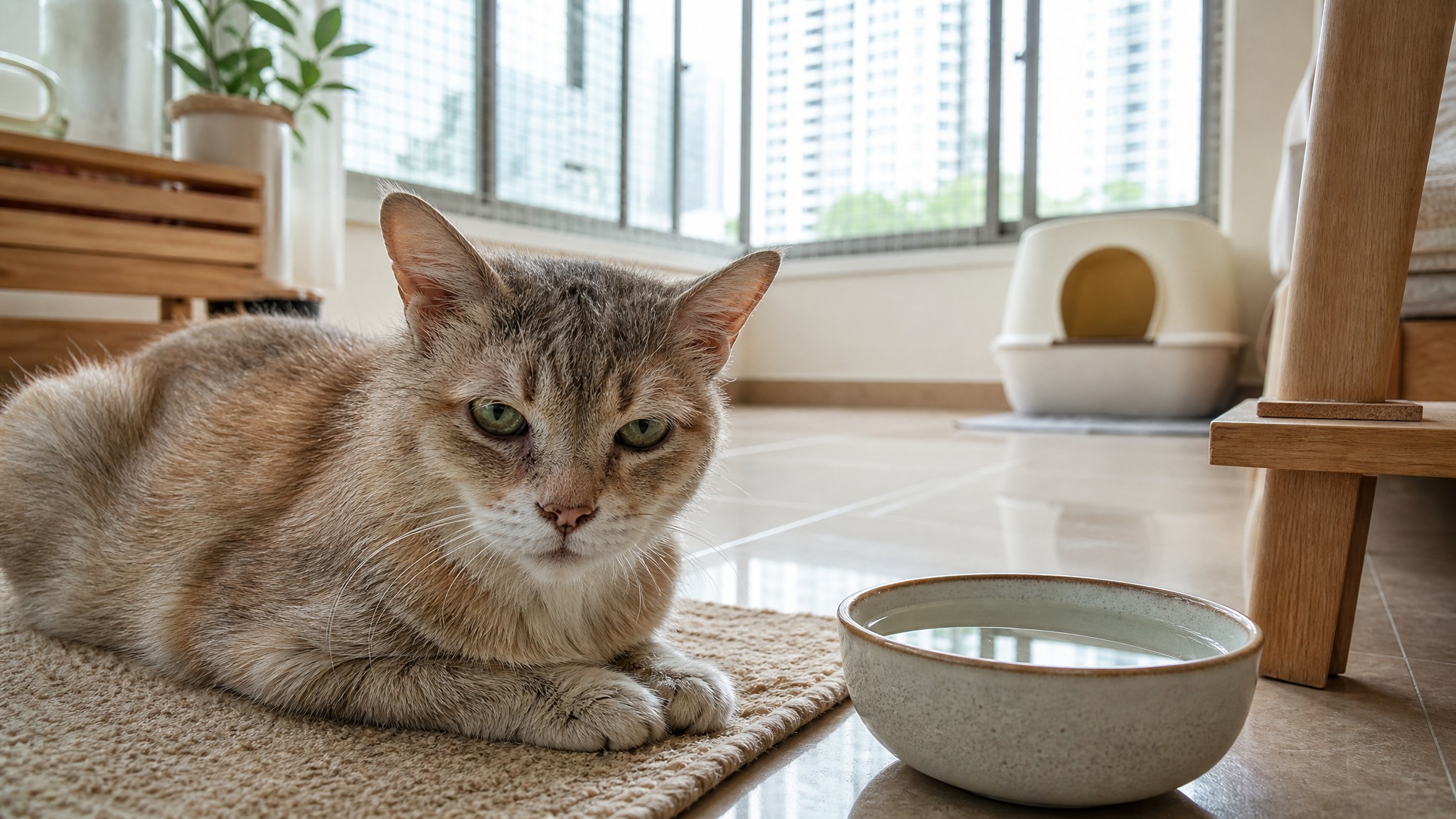
When a senior cat starts drinking more than usual, it can be easy to miss at first. In many Singapore homes, especially HDB flats and apartments, cats live fully indoors with steady routines, shared water bowls, and litter boxes placed in compact service yards or bathrooms. A small change in drinking may look normal during hot, humid weather, but it can also be an early clue that something inside the body is changing.
Kidney changes are common in older cats, and senior cat kidney disease often develops gradually. Cats are naturally good at hiding discomfort, so owners may only notice the practical signs: more trips to the water bowl, heavier urine clumps, stronger litter box smells, or weight loss despite normal eating. Because these signs can overlap with diabetes, thyroid disease, urinary issues, or dehydration, a vet check is the safest way to understand what is really happening.
In Singapore, indoor cats may also spend long hours in air-con rooms while owners are at work. Air-conditioning can make cats drink differently, while humid weather can affect odour, litter drying time, and how obvious urine output feels. That is why health tracking at home matters: not to diagnose your cat yourself, but to give your vet clearer information when something feels off.
Early Kidney Disease Signs Owners May Notice at Home
The classic early warning sign is increased drinking, especially when it continues for several days and is not linked to a clear change in weather, food, or environment. You may notice the water bowl emptying faster, your cat waiting near the tap, or a cat that previously ignored water suddenly showing strong interest in it. For multi-cat homes, this can be harder to spot unless you use separate bowls or observe each cat’s routine closely.
Increased urination often appears alongside increased drinking. In clumping cat litter, this may show up as larger, heavier clumps or more frequent litter changes. In non-clumping litter, the tray may smell stronger or feel wetter sooner than usual, especially in Singapore’s humid conditions where odour control can become a daily issue.
Weight, Appetite, and Coat Changes
Some cats with early senior cat kidney disease may still eat normally, which can make owners delay a vet visit. Over time, however, you might notice gradual weight loss, a bonier spine, reduced muscle over the hips, or a duller coat. These changes are easy to miss because they happen slowly, especially with long-haired cats or cats that dislike being handled.
Appetite can also become inconsistent. A senior cat may approach food, sniff it, and walk away, or eat only preferred flavours. If your cat has always been picky, the difference may be subtle, so look for changes in pattern rather than judging one meal alone.
Behaviour and Litter Box Clues
Older cats may become quieter, sleep more, or hide in cooler parts of the flat. Some may start avoiding jumps onto beds, shelves, or window perches because they feel weaker or mildly nauseous. These signs do not confirm kidney disease, but they are worth noting when they appear together with increased drinking.
Litter box behaviour is another useful clue. A cat that urinates outside the tray, strains, cries, or produces very little urine needs prompt veterinary attention, as urinary blockage or infection can become serious quickly. For suspected senior cat kidney disease, the pattern is usually more urine rather than less, but any sudden litter box change deserves attention.
What to Track Before Calling the Vet
Before speaking to a vet, spend a few days tracking what you can, unless your cat looks unwell or symptoms are severe. Write down how often the water bowl is refilled, whether your cat is drinking from unusual places, and whether urine clumps have become larger. If you have more than one cat, try offering separate bowls in different areas so you can observe which cat is drinking more.
Keep the notes simple and practical. Singapore owners are often busy, so a phone note with dates, water changes, appetite, litter box output, and weight is enough. If you can weigh your cat safely at home once a week, that information can help your vet spot gradual decline that may not be obvious from appearance alone.
Useful Details to Bring to the Vet
- Age and medical history: Include past blood tests, dental issues, urinary problems, or chronic conditions.
- Food and treats: Note the brand, wet or dry ratio, new flavours, and any recent switch in cat food Singapore owners may commonly order online.
- Water habits: Mention bowls, fountains, tap drinking, and whether your cat drinks more in air-con rooms.
- Litter observations: Track clump size, smell, frequency, and any accidents outside the tray.
- Behaviour changes: Include hiding, vomiting, bad breath, weakness, reduced grooming, or appetite changes.
A vet may recommend blood tests, urine tests, blood pressure checks, and sometimes imaging. These tests help distinguish kidney disease from other conditions that can also cause increased thirst. This matters because senior cat kidney disease management depends on the stage, the cat’s hydration, blood pressure, urine concentration, and overall health.
Food, Water, Litter, and Home Setup Checks for Older Cats
Home care cannot replace veterinary treatment, but it can make daily life easier for a senior cat. Start with water access. Place clean bowls in several quiet spots around the flat, away from the litter box and heavy foot traffic. Some cats prefer ceramic or stainless steel bowls, while others drink more from a fountain, especially if they like moving water.
Wet food may help support hydration, but any diet change should be discussed with your vet if kidney disease is suspected or confirmed. Prescription renal diets are medical diets and should be used under veterinary guidance. For general senior cat care, choose food that your cat will reliably eat, because sudden appetite drops can be more dangerous than an imperfect diet.
Choosing Litter for Monitoring and Odour Control
Cat litter Singapore owners choose often needs to balance odour control, tracking, dust, and humidity. For senior cats, litter should also make urine changes easy to notice. Clumping litter can help you see whether urine clumps are getting larger, while low-dust options may be more comfortable for cats with sensitive noses or respiratory concerns.
In a humid HDB service yard, litter may hold smell faster than expected. Scoop at least once daily, keep the tray dry, and consider having one more litter box than the number of cats if space allows. If your senior cat has stiff joints, use a low-entry tray so they do not avoid the box due to discomfort.
Making the Flat Senior-Cat Friendly
Older cats benefit from small adjustments that reduce effort. Keep food, water, and litter on the same level where possible, especially if your cat is less willing to jump. Add soft resting spots in quiet corners, and make sure air-con rooms are not too cold for long periods.
If your cat spends most of the day alone, consider how easy it is to monitor changes. A clear water bowl, consistent feeding area, and predictable litter setup make it easier to spot patterns. For senior cat kidney disease, small daily observations can help you catch changes before they become a crisis.
When Increased Drinking Becomes an Urgent Vet Visit
Do not wait if increased drinking comes with vomiting, refusal to eat, severe weakness, collapse, rapid weight loss, bad breath with drooling, or signs of dehydration. A cat that stops eating for more than a day, especially a senior cat, should be seen promptly. If your cat is straining in the litter box, crying, passing little or no urine, or repeatedly entering the tray, treat it as urgent.
You should also book a vet visit soon if increased drinking continues for more than a few days without an obvious reason. Even if your cat seems cheerful, persistent thirst and larger urine output are not something to dismiss as “just old age.” Early testing gives you more options, whether the cause is kidney-related or another treatable condition.
For confirmed senior cat kidney disease, your vet may discuss hydration support, diet, blood pressure control, nausea management, phosphate control, and follow-up testing. The exact plan depends on your cat’s test results and comfort level, not just age. With the right care routine, many senior cats can still enjoy a stable, comfortable life at home.
FAQ
Is drinking more always a sign of kidney disease in senior cats?
No. Increased drinking can be linked to kidney disease, diabetes, thyroid disease, urinary issues, medication, diet changes, or environmental factors. However, because senior cat kidney disease is common and can progress quietly, persistent increased thirst should be checked by a vet.
How can I tell if my cat is drinking too much?
Look for a clear change from your cat’s normal pattern. If the water bowl empties faster, urine clumps are much larger, or your cat seeks water from taps or sinks more often, start tracking it. In a multi-cat home, separate bowls can help you identify which cat has changed.
Should I switch my senior cat to kidney food immediately?
Do not switch to a renal prescription diet without veterinary advice. These diets are designed for specific medical situations and should match your cat’s test results. If your cat is eating poorly, speak to your vet before making major food changes.
What litter is best for monitoring kidney warning signs?
A low-dust clumping litter can make urine volume easier to monitor because clump size is visible. In Singapore humidity, good odour control and daily scooping also matter. Choose a litter your cat accepts, because sudden litter changes may cause avoidance.
Can indoor HDB cats still get kidney disease?
Yes. Indoor living protects cats from many outdoor risks, but it does not prevent age-related disease. HDB cats can still develop kidney issues, dental disease, arthritis, diabetes, and thyroid problems as they grow older.
Choosing Everyday Cat Supplies for Senior Cat Care
Senior cat care is easier when your daily setup helps you notice changes early. The right cat supplies can support hydration, cleaner litter habits, and a calmer home routine: wide water bowls, easy-clean fountains, low-entry litter trays, low-dust litter, senior-friendly wet food, measuring scoops, and comfortable resting spots. For Singapore homes, especially HDB flats and apartments, prioritise products that handle humid weather, control odour well, and are simple to maintain even during busy work weeks. If your older cat is drinking more, do not rely on products alone; book a vet check and use your home observations to support the consultation. After that, build a practical routine around your vet’s advice, with supplies that make feeding, drinking, litter tracking, and comfort easier every day.
延伸閱讀
- High-Rise Syndrome in Singapore Cats: Window Safety, Fall Risks, and Vet Warning Signs
- Bringing a Kitten Home in Singapore: Vet Checks, Vaccines, Food, and HDB Setup
- Why Is My Cat Itching More in Singapore’s Humid Weather? Skin Triggers and Vet Warning Signs
Last updated:2026-06-12 by CatGarden
CatGarden Deodorizing Mineral Cat Litter 3.0