
▶Cat Column, Environment cleaning care
Are Freeze-Dried Cat Treats Worth It in Singapore? Feeding, Storage, and Humidity Checks
Why Freeze-Dried Cat Treats Are Trending Among Singapore Cat Owners
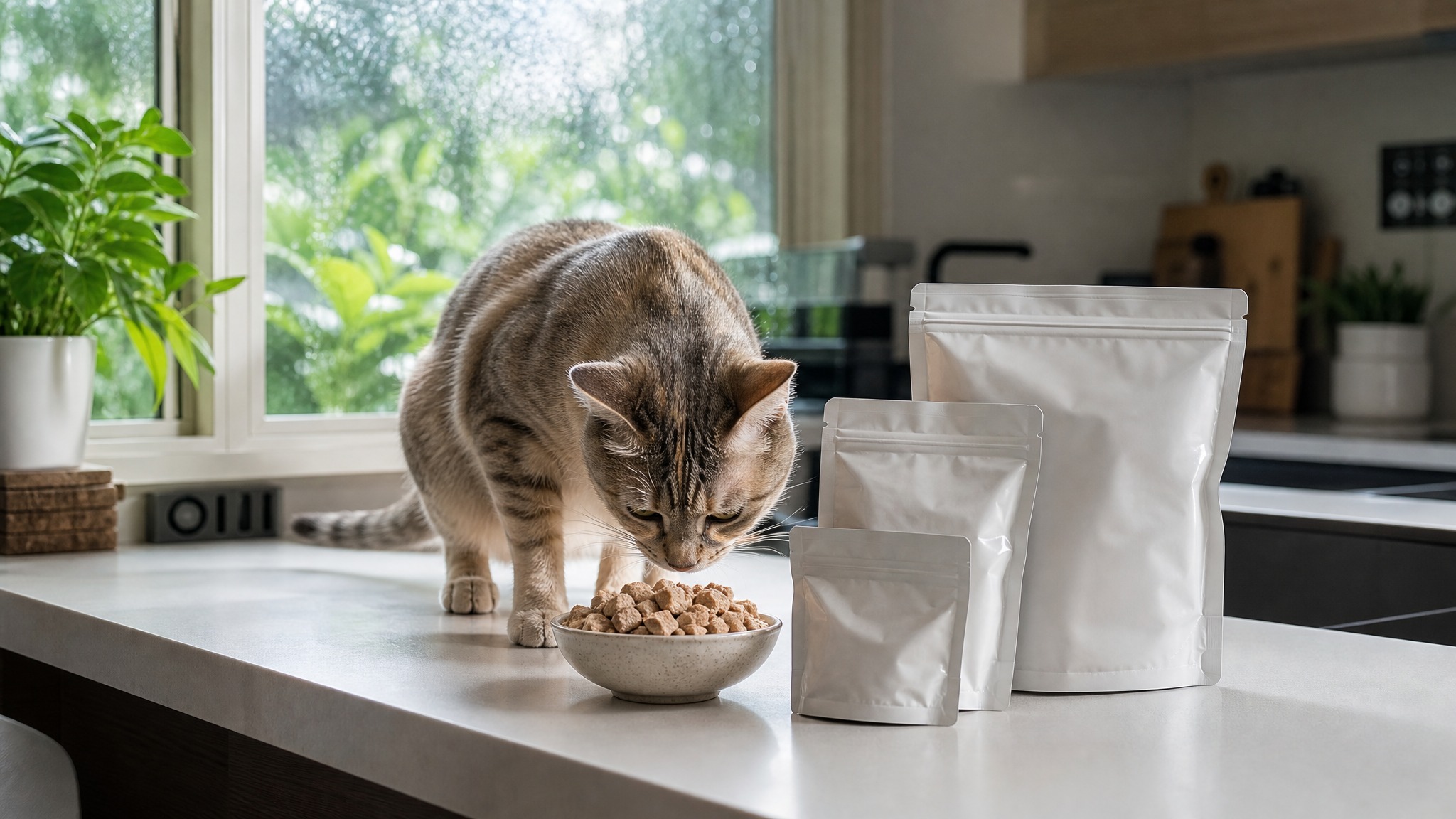
Freeze-dried cat treats have become popular with many Singapore cat owners because they feel simple, clean, and easy to understand. In an HDB flat or apartment, owners often want treats that do not leave strong smells, oily residue, or messy crumbs around the feeding area. These treats are usually made by removing moisture from meat or fish at low temperatures, which helps preserve texture and flavour without turning the treat into a heavily processed biscuit.
For busy working owners, convenience matters. A small pack can be kept near the feeding station, used during playtime, or brought out when trimming nails, brushing fur, or introducing a new carrier. Many indoor cats are food-motivated, and freeze dried cat treats can make routine handling less stressful when used calmly and consistently. This is especially useful in homes where cats spend most of their lives indoors and need more enrichment.
Why They Suit Indoor and HDB Cats
Singapore cats often live fully indoors due to HDB rules, safety concerns, and the risks of roaming. That means food rewards are commonly used for play, training, bonding, and encouraging movement. A light, high-aroma treat can help owners turn a short play session into something more engaging. For cats that are shy, newly adopted, or easily startled, treats can also build positive associations with people and new routines.
Another reason these treats are trending is portion control. Compared with large wet food pouches or strong-smelling snacks, freeze-dried pieces can be broken into smaller bits. This makes them practical for multi-cat homes where each cat needs a different amount. Owners can reward one cat without accidentally overfeeding the whole household.
Are Freeze-Dried Treats Healthy or Just Snacks?
Freeze-dried treats can be a useful part of a cat’s routine, but they should still be treated as snacks. Cats need a complete and balanced diet, usually from proper cat food formulated for their life stage. Treats, even high-quality meat-based ones, are not a replacement for complete meals. If your cat is already eating a suitable main diet, treats should stay as a small bonus rather than the centre of the feeding plan.
The health value depends on the ingredient list, portion size, and how often you feed them. Single-ingredient chicken, duck, salmon, or tuna treats may be easier to understand than products with many fillers, colourings, or added sugar. Still, “simple” does not automatically mean suitable for every cat. Cats with kidney disease, allergies, obesity, urinary issues, or digestive problems should have their treats checked with a vet first.
Protein, Calories, and Daily Balance
Many freeze-dried treats are high in protein because they are made mostly from animal ingredients. That sounds ideal for cats, but calories can add up quickly if owners treat them like unlimited rewards. A cat that gets too many snacks may eat less of its balanced meals, which can create nutritional gaps over time. This is why freeze dried cat treats should usually make up only a small part of the daily intake.
A practical rule is to keep treats under 10% of your cat’s daily calories, unless your vet gives different advice. For a small indoor cat, that may mean only a few pieces per day, depending on the brand and size. If you are using treats for training, break them into tiny crumbs instead of feeding whole pieces every time. This keeps the reward frequent without turning the session into a second meal.
How Singapore Humidity Affects Storage, Smell, and Texture
Singapore’s humid weather is one of the biggest things to consider before buying freeze-dried treats. These products are dry by design, so they can absorb moisture from the air once opened. When that happens, the texture may turn soft, sticky, or chewy instead of crisp. The smell may also become stronger or slightly stale if the pack is exposed for too long.
In an air-con room, treats may stay crisp longer because the air is usually drier. In a warm kitchen, laundry area, or feeding corner near windows, the same pack may change texture more quickly. This matters because cats can be picky about mouthfeel and smell. A treat your cat loved last week may be rejected if it has absorbed humidity and lost its original texture.
Storage Tips for Humid Weather
After opening, reseal the pack tightly and keep it in a cool, dry place away from sunlight. If the original zip seal feels weak, place the pack inside an airtight container. Some owners also use a clean food-safe desiccant packet, as long as it stays sealed and cannot be chewed by the cat. Never leave treats open on the counter, especially overnight.
Buy smaller packs if your cat eats treats slowly. A large value pack may look cheaper, but it is not good value if the texture changes before your cat finishes it. In Singapore homes, smaller packs are often more practical because they reduce the time the product spends exposed after opening. This is especially true for single-cat households or cats that only get occasional rewards.
Smell Checks Before Feeding
Before feeding, do a quick smell and texture check. The treat should smell like the original protein source, not sour, damp, rancid, or musty. If the pieces feel wet, clumped, unusually sticky, or show any visible mould, throw them away. Do not try to save questionable treats by drying them under the sun or putting them near a hot appliance.
Because many Singapore flats are compact, odour control is part of daily cat care. Strong-smelling treats can linger around feeding areas, especially when mixed with wet food bowls and cat litter smells. Keeping treats sealed helps maintain freshness and prevents the home from smelling like food. It also helps reduce interest from ants and other household pests.
What to Check Before Buying Freeze-Dried Treats Online
Online shopping is convenient for Singapore owners, especially when buying cat food Singapore essentials, litter, toys, and supplements in the same order. But treats should still be checked carefully before adding them to cart. Look at the ingredient list, country of manufacture, expiry date, pack size, and storage instructions. A clean product page should make these details easy to find.
When comparing freeze dried cat treats, avoid choosing based only on price or cute packaging. Cheaper packs may be fine, but you need enough information to judge freshness and suitability. Check whether the product is meant for cats, dogs, or both, because some “pet treats” may not be ideal for feline feeding habits. Also look for clear feeding guidelines rather than vague claims.
Ingredients and Product Labels
A good label should tell you exactly what the treat contains. Single-ingredient options are straightforward, but mixed formulas can also be acceptable if they clearly list every ingredient. Be careful with added salt, sugar, artificial colouring, and flavour enhancers. Cats do not need treats to look colourful or taste sweet.
If your cat has a sensitive stomach, introduce only one new treat at a time. This makes it easier to identify what caused vomiting, soft stools, itching, or appetite changes. For cats with known allergies, avoid mixed-protein products unless you are certain every ingredient is safe. When in doubt, ask your vet before testing a new protein.
Delivery, Freshness, and Pack Condition
For ecommerce delivery, inspect the pack when it arrives. It should be sealed, dry, and not puffed up, torn, oily, or crushed into powder. If the pack has a best-before date that is too close, consider whether your cat can finish it in time. Freshness matters more in humid weather because once opened, quality can decline faster.
It is also worth buying from a seller that handles cat supplies regularly. Shops that understand pet products are more likely to store them properly and provide accurate product details. For owners already ordering cat litter Singapore products, wet food, and cleaning supplies, adding treats from the same reliable source can be convenient. Just make sure convenience does not replace label checking.
How Much to Feed and When to Ask a Vet
The right amount depends on your cat’s age, weight, body condition, activity level, and main diet. For most healthy adult cats, a few small pieces a day is enough. If you use freeze dried cat treats during training, break each piece into smaller rewards so your cat receives the taste without too many extra calories. Always adjust the main meal if treats are becoming a regular daily habit.
Kittens, senior cats, and cats with medical conditions need more care. Kittens require balanced growth nutrition, while senior cats may have dental, kidney, or digestive issues that change what is appropriate. Cats on prescription diets should not receive random treats without vet guidance. A snack that seems harmless can still interfere with a carefully managed diet.
Good Times to Use Treats
Treats work well after play, during carrier training, or as a reward for calm handling. They can also help with puzzle feeders, lick mats, or simple hunting games around the home. For indoor cats, this turns snack time into enrichment instead of passive eating. A small amount can make a short routine feel more rewarding.
You can also crumble freeze-dried pieces over food to encourage appetite, but this should be done carefully. If your cat is refusing meals for more than a day, do not rely on treat crumbs as the solution. Appetite loss can become serious quickly in cats. Treat toppers are useful for mild fussiness, not for replacing veterinary care.
When to Contact a Vet
Ask a vet if your cat vomits repeatedly, has diarrhoea, develops skin irritation, gains weight quickly, or becomes unusually thirsty after starting a new treat. You should also seek advice if your cat has urinary issues, kidney disease, diabetes, pancreatitis, food allergies, or is on a prescription diet. In these cases, even small snacks should be chosen with professional guidance. A vet can help you decide whether a specific protein or treat format is suitable.
Also watch your cat’s chewing ability. Some freeze-dried pieces are airy and soft, while others can be firm or sharp when broken. Cats with missing teeth, gum pain, or dental disease may struggle with certain textures. If your cat drops food, chews on one side, paws at the mouth, or avoids hard pieces, book a dental check.
FAQ
Are freeze-dried cat treats suitable for daily feeding?
Yes, many healthy cats can have them daily in small amounts. They should remain treats, not meal replacements. Keep them under a small portion of your cat’s daily calories and make sure your cat still eats complete and balanced cat food. If your cat has a medical condition, check with a vet first.
Do freeze-dried treats need to be refrigerated in Singapore?
Most do not need refrigeration before opening unless the label says so. After opening, the key is to keep them airtight, dry, and away from heat. Singapore humidity can affect texture quickly, so a sealed container is often useful. Always follow the product’s storage instructions.
Can I add water to freeze-dried cat treats?
Some owners rehydrate them with a small amount of clean water to soften the texture. This can help cats that prefer moist food or have difficulty chewing. Once water is added, feed it promptly and do not leave it out for long in warm weather. Discard leftovers to avoid spoilage.
Are freeze-dried treats better than regular cat biscuits?
They are different, not automatically better. Freeze-dried options often have simpler meat-based ingredients, while biscuits may contain more starch or fillers. However, the best choice depends on your cat’s health, taste preference, calorie needs, and digestion. Read the label instead of judging by format alone.
Why did my cat stop eating a treat it used to like?
The treat may have absorbed moisture, lost aroma, or changed texture after opening. Cats can also get bored with one protein or become sensitive after repeated feeding. Check the smell, texture, expiry date, and storage condition. If your cat is also eating less normal food, contact a vet.
Choosing Better Cat Supplies for Singapore Homes
Freeze-dried treats can be worth it for Singapore cat owners when they are used thoughtfully: small portions, proper storage, and label checks before buying. In humid weather, freshness and airtight storage matter as much as ingredients, especially in compact HDB or apartment homes where food smell, ants, and litter odour are everyday concerns. Build your treat routine around your cat’s main diet, water intake, body condition, and vet advice when needed. When restocking your cat supplies, look beyond treats alone and choose products that work together for indoor living: suitable cat food, reliable cat litter, feeding tools, storage containers, grooming basics, and enrichment toys. A well-planned setup keeps daily care easier for busy owners and more comfortable for your cat.
延伸閱讀
- Best Cat Litter for Singapore Humidity: Odour Control, Clumping, and Tracking Checks
- Best Cat Litter for Singapore Humidity: Odour Control, Clumping, and Tracking Checks
- Best Cat Litter for Singapore Humidity: Odour Control, Clumping, and Tracking Checks
Last updated:2026-06-11 by CatGarden
CatGarden Deodorizing Mineral Cat Litter 3.0