
▶Cat Column, Nutrition eating guide
Why Does My HDB Cat Yowl at Night? A Singapore Owner’s Guide to Quiet, Calmer Evenings
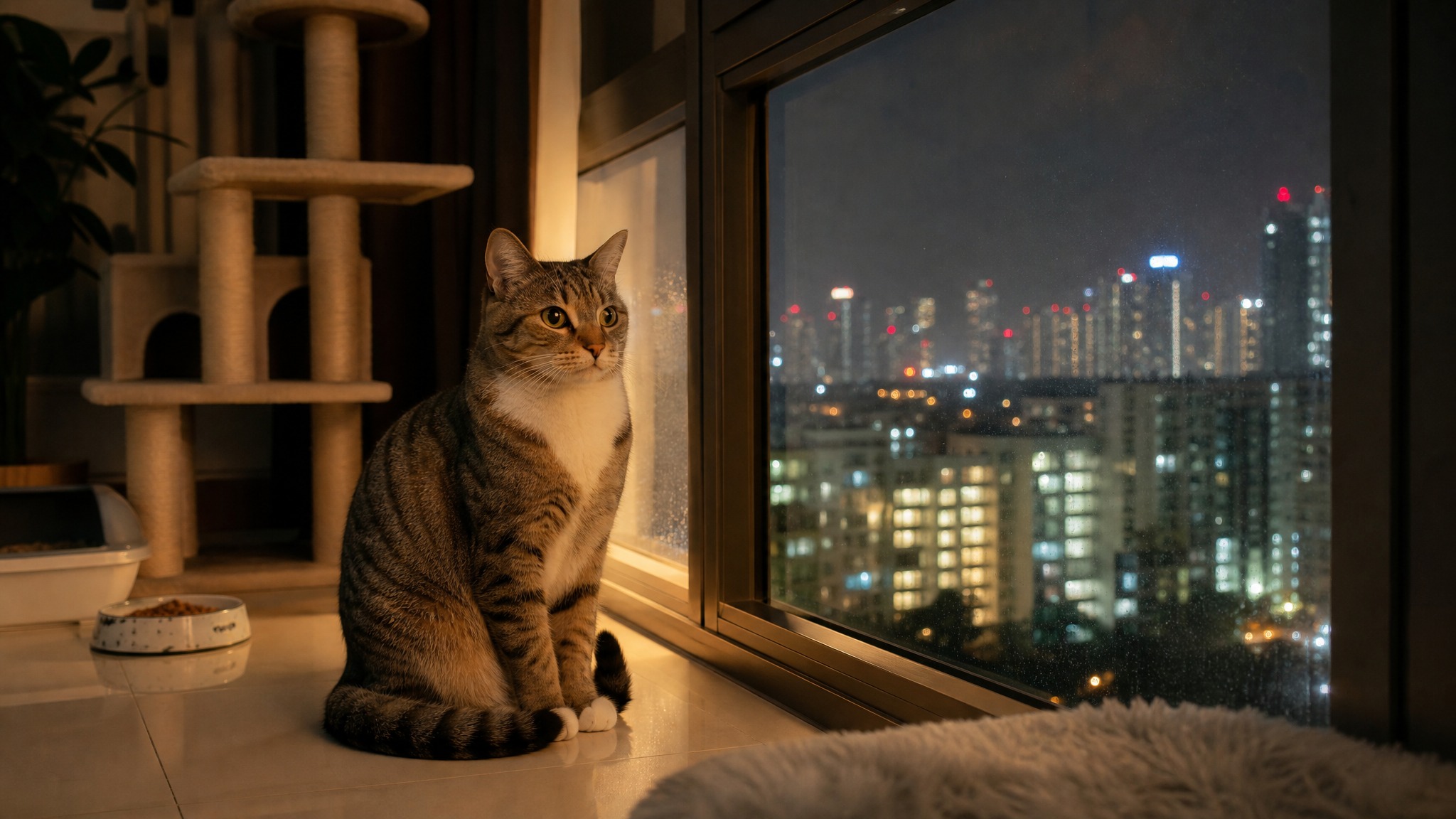
Why HDB Cats Yowl More at Night
If your HDB cat sounds loudest after bedtime, you are not alone. Many indoor cats become more active in the late evening because their natural body rhythm makes them alert around dawn and dusk. In a quiet flat, even a short call from the kitchen or service yard can feel much louder than it would during the day. For Singapore owners, cat yowling at night often feels worse because HDB living puts everyone closer together, including neighbours who may hear repeated vocalising.
Night yowling is not always “bad behaviour”. It is usually a form of communication, and the message may be boredom, hunger, attention-seeking, discomfort, or stress. Some cats learn that a loud call brings food, a bedroom door opening, or a sleepy owner getting up to check on them. Once that pattern becomes rewarding, cat yowling at night can turn into a habit that repeats even when the original trigger is gone.
Indoor Routine and Energy Build-Up
Most HDB cats live fully indoors, which is safest when windows, gates, and service yards are properly secured. The trade-off is that indoor cats depend heavily on their owners for play, hunting-style stimulation, and daily variety. If a cat naps through the day while everyone is at work, it may still have plenty of energy at 11pm. That energy can show up as running, scratching, pawing at doors, or loud calling.
Singapore’s compact flat layouts can also make boundaries more frustrating for cats. A closed bedroom door, a restricted kitchen, or another cat resting in a favourite spot may be enough to trigger vocal protest. Some cats yowl because they want access, while others do it because they are unsure where their owner has gone. The first step is to treat the sound as information, not as a personal attack on your sleep.
Common Triggers in Singapore Flats
In Singapore, humid weather affects indoor cat life more than many owners realise. Warm rooms can make cats restless, especially if the air is still, litter odour builds up quickly, or wet food smells stronger in the evening. A cat that feels uncomfortable may move around more and vocalise instead of settling. This is one reason good ventilation, clean bedding, and regular litter care matter so much in HDB homes.
Food timing is another common trigger. If dinner is served too early, your cat may wake up hungry around midnight or before sunrise. Some cats also associate the sound of an owner returning home with meals, treats, or play, so they become demanding later in the evening. When owners work long hours, the cat’s most exciting part of the day may begin exactly when the human wants to wind down.
Litter Box Discomfort and Odour
A dirty or poorly placed litter box can cause more than toilet accidents. Some cats vocalise near the litter area when the box smells strong, the litter texture feels wrong, or the location feels too exposed. In humid weather, clumping litter can become damp faster, and odour may spread through small flats. Owners searching for cat litter Singapore options should look at odour control, dust level, tracking, and whether the cat actually likes using it.
For multi-cat homes, one shared litter box can become a source of tension at night. A shy cat may avoid the box when another cat is nearby, then yowl because it is uncomfortable or anxious. As a rule of thumb, many vets and behaviourists recommend multiple boxes in different spots, especially when cats do not always get along. If your cat cries while toileting, strains, urinates frequently, or avoids the box, arrange a vet check promptly.
Noise, Smells, and Neighbourhood Activity
HDB flats are full of small nighttime signals that humans may ignore but cats notice. Lift sounds, corridor footsteps, delivery riders, rubbish chute noise, and other pets nearby can keep a sensitive cat alert. Strong cooking smells from neighbouring units or your own kitchen may also trigger curiosity. A cat sitting by the door and yowling may be reacting to something outside the home rather than asking for food.
Air-con rooms can create another pattern. Some cats want to enter because the room is cooler and close to their owner, while others dislike cold airflow and call from outside. If the bedroom door is sometimes open and sometimes closed, the inconsistency may make the cat more persistent. A predictable sleeping arrangement helps reduce confusion and gives your cat a clearer routine.
Evening Routine Checklist for Quieter Nights
A calmer night usually starts before bedtime. Instead of waiting for cat yowling at night to begin, build a routine that tells your cat the day is ending. The best routine is simple enough to repeat even when you are tired after work. Cats feel safer when meals, play, litter cleaning, and lights-out happen in a familiar order.
Start with a proper play session 60 to 90 minutes before sleep. Use a wand toy, kicker toy, or rolling toy to mimic hunting, chasing, catching, and then resting. Do not just wave the toy randomly; let your cat stalk, pounce, and “win” several times. After play, offer dinner or a small measured supper so the routine follows the natural hunt-eat-groom-sleep rhythm.
Practical Night Routine
- Play before feeding: Give your cat 10 to 20 minutes of active play before the final meal.
- Serve a measured supper: A small portion of suitable food may help cats that wake from hunger.
- Clean the litter box: Scoop before bedtime so the box stays fresh through humid Singapore nights.
- Top up water: Keep clean water available, especially if your cat eats dry food or sleeps in an air-con room.
- Settle the environment: Dim lights, reduce loud TV sounds, and keep bedroom access rules consistent.
- Offer a resting zone: Provide a bed, mat, or perch where your cat can feel secure without needing your pillow.
If your cat yowls for attention, avoid creating a reward loop. Getting up every time may teach the cat that louder calling works. This does not mean ignoring possible distress; it means checking that food, water, litter, safety, and health needs are covered first. Once you know your cat is safe, reward quiet behaviour during the evening instead of responding only to noise.
For food-motivated cats, puzzle feeders or timed feeders may help spread interest across the night. This can be useful for busy working owners who cannot offer multiple small meals by hand. Choose feeders that are easy to wash in humid weather, because leftover crumbs and oil can attract ants quickly. When changing feeding routines, adjust portions carefully so your cat does not gain weight.
When Night Yowling Could Mean Stress or Illness
While many cases are routine-related, cat yowling at night can sometimes point to pain, anxiety, cognitive changes, or medical issues. Older cats may vocalise more if their hearing, vision, joints, thyroid, blood pressure, or brain ageing changes. Younger cats may yowl because of urinary discomfort, stomach upset, skin irritation, or stress from changes at home. If the sound is new, intense, or very different from your cat’s usual voice, do not dismiss it as drama.
Book a vet visit if your cat’s yowling comes with appetite changes, weight loss, vomiting, diarrhoea, hiding, aggression, excessive thirst, frequent urination, or litter box problems. Also seek help quickly if your cat strains to pee, cries in the litter box, or produces little to no urine, as urinary issues can become urgent. A vet can check for medical causes before you focus on behaviour training. This is especially important because cats often hide pain until symptoms become more obvious.
Stress Signals to Watch
Stress in HDB cats may come from renovation noise, a new baby, guests, new furniture, another pet, or changes in the owner’s schedule. Some cats become clingy, while others hide more and call from a distance. You may also notice overgrooming, reduced play, urine marking, tense body posture, or sudden conflict between cats. When stress is the driver, the goal is to make the home feel predictable and give the cat more control over where it rests.
Simple changes can help, but they should match the cat’s actual trigger. Add vertical space if the cat feels crowded, create separate feeding spots if cats compete, and keep litter boxes away from noisy appliances. For renovation periods, close windows when possible, use familiar bedding, and maintain meal timing. If anxiety is severe, ask your vet about behaviour support rather than relying only on products.
Cat Supplies That May Help With Calm Indoor Living
The right products will not magically stop cat yowling at night, but they can remove common sources of discomfort. In Singapore flats, useful cat supplies often focus on odour control, heat comfort, enrichment, and clean feeding. A good setup makes it easier for your cat to settle without repeatedly asking for help. Think of supplies as part of a routine, not as a replacement for play, vet care, and consistent habits.
For food, choose options that suit your cat’s age, health needs, and digestion. Owners comparing cat food Singapore choices should look beyond flavour and consider moisture, portion control, storage, and how well the food stays fresh in humid weather. Wet food should not sit out too long in warm rooms, while dry food should be sealed properly to reduce staleness and pests. If your cat has medical needs, follow your vet’s diet advice instead of switching randomly.
Helpful Supplies for Night Calm
- Interactive wand toys: Useful for structured evening play and energy release.
- Puzzle feeders: Help slow eating and give food-motivated cats something quiet to do.
- Odour-control litter: Important for humid flats where smells build up quickly.
- Low-dust litter mats: Keep the litter area cleaner and more comfortable.
- Cat beds and cooling mats: Give cats a dedicated resting spot outside the bedroom.
- Scratchers and vertical shelves: Help indoor cats stretch, mark territory, and feel secure.
- Water fountains: Encourage some cats to drink more, provided the fountain is cleaned often.
When buying cat supplies, choose based on your cat’s behaviour rather than what looks attractive online. A senior cat may prefer a low-entry litter box, while a young active cat may benefit more from climbing furniture and puzzle toys. A shy cat may need covered resting spots, but some cats dislike covered litter boxes because odour gets trapped inside. Observe what your cat avoids, what it seeks out, and what changes reduce nighttime calling over one to two weeks.
Introduce new items gradually. Sudden changes in litter, food, bed location, or feeding schedule can create more stress instead of less. If you change litter, mix the new type slowly or place a second box beside the old one first. If you add a timed feeder, let your cat explore it during the day before expecting it to solve cat yowling at night.
FAQ
Why is my HDB cat yowling only at night?
Your cat may be more alert at night because it slept during the day, feels hungry, wants attention, or is reacting to corridor sounds and smells. HDB flats can make these triggers more noticeable because space is compact and nighttime is quieter. If the behaviour is new or paired with health changes, arrange a vet check. If your cat is otherwise well, start with evening play, a measured supper, and a clean litter box.
Should I ignore cat yowling at night?
Do not ignore it blindly, especially if it is sudden, painful-sounding, or linked to litter box problems. First check that your cat is safe, has water, has a clean litter box, and is not showing signs of illness. If all basic needs are met, avoid rewarding repeated attention-yowling with food or play in the middle of the night. Reward calm behaviour earlier in the evening instead.
Can changing cat litter help with night yowling?
Yes, if the yowling is linked to litter box discomfort, odour, dampness, or stress around the toilet area. Singapore humidity can make some litter boxes smell stronger or feel less pleasant faster. Try scooping before bedtime, adding another box, or choosing a low-dust odour-control option your cat accepts. If your cat cries while peeing or strains in the box, see a vet quickly.
Is night yowling more common in older cats?
Older cats may vocalise more because of hearing loss, vision changes, joint pain, high blood pressure, thyroid disease, or cognitive changes. They may feel disoriented at night or need easier access to food, water, litter, and resting spots. Do not assume it is just ageing. A vet check can identify treatable causes and help you adjust the home setup.
What should I buy first to help my cat settle at night?
Start with the basics: a suitable litter setup, an engaging wand toy, a comfortable resting area, and food storage or feeding tools that fit your routine. These address the most common HDB triggers: boredom, hunger, odour, and lack of a secure sleeping spot. Add puzzle feeders, scratchers, or cooling mats depending on your cat’s behaviour. The best cat supplies are the ones that solve your cat’s actual nighttime trigger.
CTA
A quieter evening usually comes from small, consistent changes: better play timing, cleaner litter habits, suitable food portions, and a home setup that feels secure for an indoor HDB cat. If cat yowling at night is becoming part of your routine, review your cat’s daily energy, litter comfort, feeding schedule, and health signs before buying anything new. Once you know the likely trigger, choose cat supplies that support calm indoor living, such as odour-control litter, interactive toys, puzzle feeders, water fountains, scratchers, cooling mats, and comfortable beds. For Singapore homes, it also helps to pick products that are easy to clean, store well in humid weather, and can be delivered reliably when your household is busy.
延伸閱讀
- Should You Sterilise Your HDB Cat? Behaviour, Neighbour Complaints, and Vet Timing in Singapore
- Can Two or More Cats Live Happily in an HDB Flat? A Singapore Multi-Cat Behaviour Checklist
- Should HDB Cat Owners in Singapore Get Pet Insurance? A Practical Checklist Before You Sign Up
Last updated:2026-06-13 by CatGarden
CatGarden Deodorizing Mineral Cat Litter 3.0