
▶Cat Column, Nutrition eating guide
Should HDB Cat Owners in Singapore Get Pet Insurance? A Practical Checklist Before You Sign Up
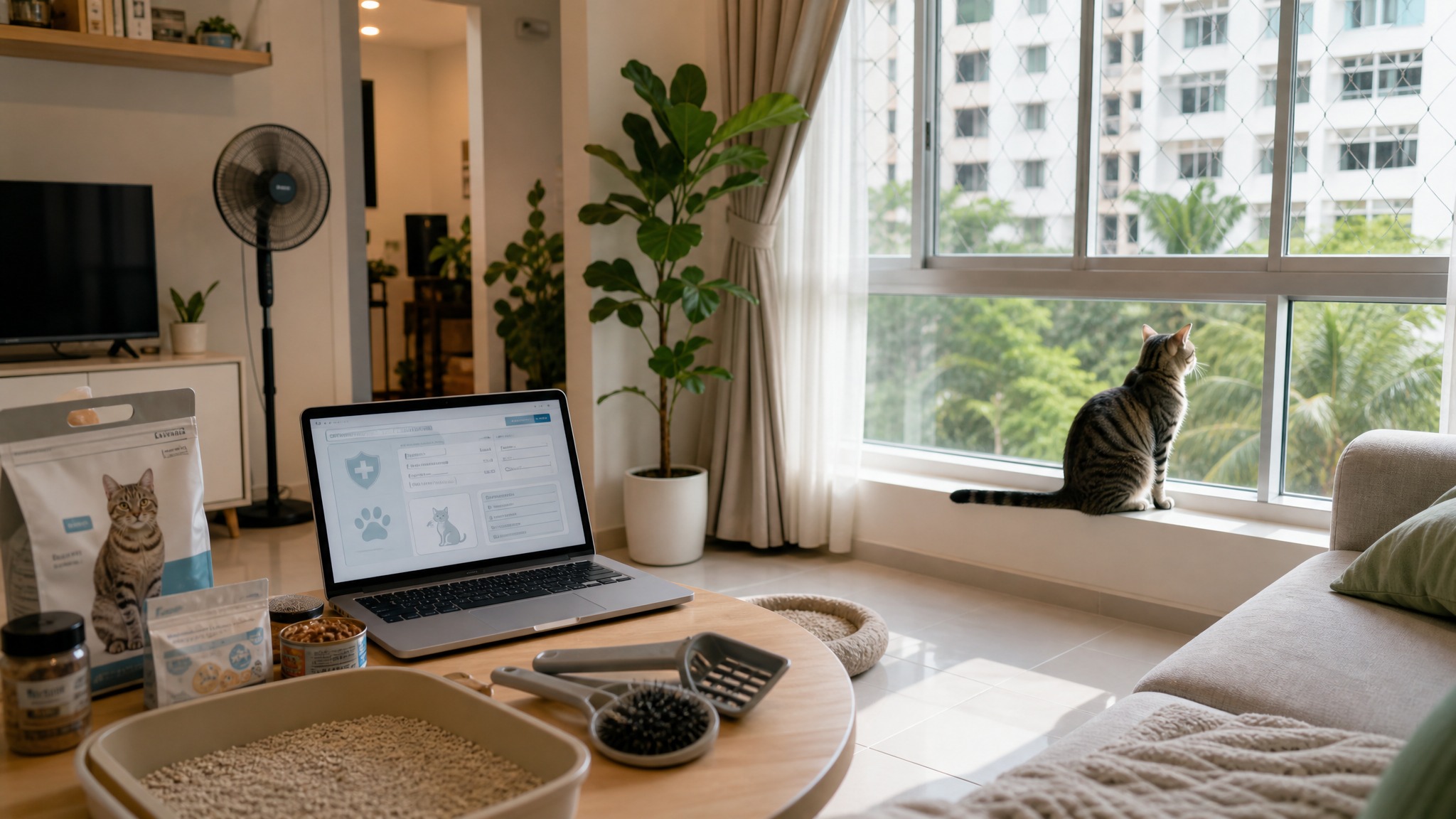
Should HDB Cat Owners in Singapore Get Pet Insurance? A Practical Checklist Before You Sign Up
Why HDB Cat Owners Are Thinking About Insurance Now
More HDB households in Singapore are treating cats as long-term family members, not just easy indoor pets. With the Cat Management Framework making cat ownership in HDB flats more visible and structured, many owners are reviewing everything from microchipping to sterilisation, vet visits, and daily care routines. That naturally leads to one practical question: should you consider cat insurance Singapore options before a medical bill catches you off guard?
Indoor HDB cats may seem lower-risk because they are not roaming outdoors, but they are not risk-free. Cats can still develop urinary issues, dental problems, skin irritation, digestive upset, or chronic conditions that need ongoing checks. In a compact flat, stress, litter box habits, humid weather, and diet can all affect wellbeing. Insurance is not a replacement for good care, but it can be part of a wider plan for managing unexpected vet costs.
Singapore’s HDB lifestyle changes the risk profile
Most HDB cats live indoors, often with limited space and predictable routines. That can reduce some accident risks, but it also means owners need to watch small behaviour changes closely. A cat that hides more, urinates outside the litter box, eats less, or drinks unusually often may need a vet visit sooner rather than later. Busy working owners may also prefer having financial backup so they do not delay care when something feels wrong.
Singapore’s climate matters too. Humid weather can make odour control, skin comfort, and litter hygiene harder to manage, especially in bathrooms, service yards, or poorly ventilated corners. Air-con rooms may help with comfort, but they can also change hydration habits if a cat drinks less. These daily details are not usually “insurance issues” by themselves, but they influence how often a cat may need preventive care, better products, or medical attention.
What Cat Insurance in Singapore Usually Covers
Most pet insurance plans are designed to help with unexpected medical costs after an accident or illness. Depending on the provider and policy tier, coverage may include consultation fees, diagnostic tests, surgery, hospitalisation, medication, and selected specialist treatment. Some plans may also offer optional add-ons for wellness care, but this varies widely. Before signing up for cat insurance Singapore plans, always compare what is actually claimable, not just the headline benefit limit.
For HDB cat owners, the most useful coverage is often the kind that helps with larger, sudden bills. A minor stomach upset may be manageable out of pocket, but emergency treatment, imaging, surgery, or overnight care can become expensive quickly. Insurance can make the decision to seek care feel less financially stressful. Still, reimbursement rules, annual limits, co-payment percentages, and excess amounts can change the real value of the plan.
Illness, accident, and diagnostic coverage
Illness coverage is usually the part owners look at most closely. It may apply when a cat develops a new medical condition after the waiting period, subject to exclusions and policy limits. Accident coverage may help if a cat is injured by a fall, household mishap, or unexpected incident. Diagnostic coverage is also important because blood tests, urine tests, X-rays, or ultrasound can form a meaningful part of the final bill.
When comparing plans, check whether the policy pays a percentage of the bill or only up to a fixed schedule of benefits. A plan with a high annual limit can still feel restrictive if many common treatments have sub-limits. Also check whether your regular vet can provide the documents needed for claims. The smoother the claim process, the more useful the policy is during an already stressful period.
Wellness and preventive care add-ons
Some pet insurance plans may include or offer add-ons for routine care, such as vaccinations, health checks, parasite prevention, or dental cleaning. These benefits can sound attractive, but they should be judged carefully against the premium. If you already budget for preventive vet care every year, a wellness add-on may or may not save money. It is worth doing the maths instead of assuming more coverage is always better.
For indoor HDB cats, preventive care still matters. Regular health checks can catch weight changes, dental issues, urinary risk, and age-related concerns before they become serious. Your vet is the right person to advise on vaccination schedules, parasite prevention, sterilisation, and diet based on your cat’s lifestyle. Insurance can support the financial side, but it should not replace a sensible vet-led care routine.
Common Exclusions, Waiting Periods, and Fine Print to Check
The biggest mistake many owners make is buying a policy after symptoms have already appeared. Most insurers exclude pre-existing conditions, which means anything documented or reasonably noticeable before coverage starts may not be claimable. Waiting periods also apply, so you usually cannot buy a plan today and claim for an illness tomorrow. This is one reason owners research cat insurance Singapore earlier, especially when their cats are still young and healthy.
Fine print can be boring, but it is where the real decision sits. Look for breed-related exclusions, age limits, dental exclusions, hereditary conditions, claim caps, co-insurance, excess payments, and renewal rules. Some policies may change coverage as the cat ages, while others may stop accepting new enrolments after a certain age. If anything is unclear, ask the insurer in writing before you commit.
Pre-existing conditions and medical history
A pre-existing condition does not always mean a formal diagnosis. If your cat has repeated vomiting, urinary signs, limping, skin flare-ups, or abnormal bloodwork before the policy begins, future claims related to that issue may be excluded. This can be frustrating, but it is common across insurance products. Keep vet records organised so you can understand what may or may not be covered.
If you adopted an adult cat, ask for as much medical history as possible. Shelter records, previous vet notes, vaccination dates, sterilisation status, and known conditions can all matter. For newly adopted cats, consider a baseline vet check soon after bringing them home. It helps you plan care properly and gives you a clearer picture before comparing insurance.
Waiting periods, claim limits, and reimbursement rules
Waiting periods are the time between policy start and when certain coverage begins. Accidents may have a shorter waiting period than illnesses, but this depends on the insurer. Some conditions may have longer waiting periods, especially orthopaedic or chronic issues. Always read the policy wording instead of relying only on marketing summaries.
Claim limits also need close attention. There may be an annual limit, per-condition limit, per-visit cap, or lifetime cap. Reimbursement may be calculated after deductibles, excess, or co-payment, so the final payout can be lower than expected. A practical checklist should include sample scenarios, such as a $300 consultation and tests bill, a $1,500 hospitalisation bill, and a $4,000 surgery bill.
When Insurance May Be Worth It for an Indoor HDB Cat
Insurance may be worth considering if you want protection against sudden, high-cost vet bills and prefer predictable monthly premiums. It can be especially useful for owners who would struggle to pay a large bill at short notice but still want to make prompt medical decisions. This does not mean every owner must buy a policy. The right answer depends on your savings, your cat’s age, health history, and your risk tolerance.
For many HDB owners, the strongest case for cat insurance Singapore is peace of mind during emergencies. Indoor cats can still swallow foreign objects, develop urinary blockages, suffer falls inside the flat, or need urgent care for sudden illness. If you know you might hesitate because of cost, insurance can reduce that hesitation. The value is not only in whether you “win” financially, but whether it supports timely care.
Young cats, new adopters, and multi-cat homes
Younger cats are often easier to insure because they may have fewer existing medical issues. Starting earlier may also reduce the chance of future exclusions linked to conditions that appear later. New adopters may find insurance useful during the adjustment period, especially if the cat’s full medical background is unknown. However, a vet check is still important before making long-term assumptions.
Multi-cat homes need a slightly different calculation. Premiums can add up quickly, but so can vet bills if more than one cat has health needs in the same year. Some owners insure only the cats with higher risk, while others set aside a dedicated emergency fund instead. If you have several cats in one HDB flat, also review litter box numbers, food routines, stress triggers, and ventilation because prevention becomes even more important.
Senior cats and cats with known conditions
Senior cats may benefit from financial planning, but they may also face tighter policy restrictions. Insurers may charge higher premiums, apply more exclusions, or decline new enrolment after certain ages. If your cat already has a chronic condition, the policy may still cover unrelated future issues, but not the existing condition itself. Ask direct questions before assuming coverage.
For cats with known medical needs, a savings-based approach may sometimes be more practical. You can set aside a monthly amount for vet care, medication, prescription diets, and follow-up checks. Insurance can still be considered for unrelated emergencies if the policy terms make sense. Your vet can help you understand likely care needs, but they cannot guarantee what an insurer will approve.
How to Reduce Everyday Cat Care Costs Without Skipping Vet Care
Even if you buy insurance, everyday cost control still matters. The goal is not to spend as little as possible, but to spend on the things that genuinely support your cat’s health and comfort. Good food, suitable litter, hydration, enrichment, grooming basics, and regular vet checks can reduce avoidable problems. This is where smart product choices can make a real difference for HDB cat owners.
For Singapore households, ecommerce delivery also changes the cost equation. Buying cat food Singapore owners trust in planned quantities can prevent last-minute expensive purchases. Choosing cat litter Singapore homes can tolerate in humid weather helps with odour, hygiene, and owner consistency. When the daily setup is easier to maintain, owners are less likely to cut corners.
Choose food and litter with your flat’s reality in mind
Cat food should match your cat’s age, health, activity level, and vet advice. Do not switch diets too often just because of discounts, especially if your cat has a sensitive stomach or urinary concerns. If you are trying a new food, transition gradually and monitor stool, appetite, coat condition, and litter box habits. For cats with medical conditions, follow your vet’s recommendation before choosing therapeutic or prescription diets.
Litter choice is particularly important in HDB flats because smell travels quickly in smaller spaces. In humid weather, some litter types clump better, track less, or control odour more consistently than others. A litter that your cat refuses to use is never a bargain, even if it is cheap. Look for a balance of odour control, dust level, clumping performance, tracking, and comfort under your cat’s paws.
Build a practical prevention routine
A simple prevention routine can save money over time. Keep fresh water available, clean litter boxes daily, monitor weight, brush when needed, and observe changes in appetite, urination, stool, activity, and mood. Cats hide discomfort well, so small changes matter. If something seems off, it is better to call a vet clinic for advice than wait until it becomes urgent.
Set a monthly budget that separates daily supplies from medical savings. For example, track food, litter, supplements if recommended by your vet, toys, scratchers, and annual check-ups. If you decide not to buy cat insurance Singapore, an emergency fund becomes even more important. If you do buy insurance, you still need cash flow because many policies reimburse after you pay the vet bill first.
Practical Checklist Before You Sign Up
Before you commit to a policy, compare at least a few options using the same assumptions. Do not look only at the monthly premium because the cheapest plan may have lower reimbursement, stricter limits, or wider exclusions. Read the product summary and policy wording carefully. If you are unsure, ask the insurer to explain using a realistic claim example.
It also helps to think about your own behaviour as an owner. Would you claim small bills, or only major emergencies? Do you have enough savings to pay first and wait for reimbursement? Are you comfortable submitting documents, invoices, medical notes, and follow-up information? The best cat insurance Singapore option is the one that fits both your cat’s risk and your household’s financial habits.
- Check enrolment age: Confirm the minimum and maximum age for new applications.
- Review exclusions: Look for pre-existing, dental, hereditary, behavioural, and preventive care exclusions.
- Understand waiting periods: Check when accident, illness, and specific condition coverage begins.
- Compare reimbursement: Calculate what you actually receive after excess, deductible, or co-payment.
- Check annual and condition limits: Make sure the cap is useful for real Singapore vet bills.
- Ask about renewals: Understand whether coverage changes as your cat gets older.
- Keep vet records: Good documentation makes claims smoother and reduces confusion.
Insurance is only one part of responsible HDB cat ownership. A comfortable indoor setup, good diet, suitable litter, safe windows, regular vet care, and daily observation all matter. If the policy gives you confidence to act quickly during an emergency, it may be worth the premium. If not, build a strong emergency fund and invest carefully in everyday care.
FAQ
Is pet insurance mandatory for HDB cat owners in Singapore?
No, pet insurance is not mandatory for HDB cat owners in Singapore. HDB cat owners should still follow current licensing, microchipping, sterilisation, and responsible ownership requirements where applicable. Insurance is a personal financial decision, not a legal substitute for proper care. Always check the latest official rules if you are unsure about compliance.
Does cat insurance cover routine vaccinations and sterilisation?
Some plans may offer wellness add-ons, but many standard accident and illness policies do not cover routine vaccination, sterilisation, or preventive care. You need to read the policy wording carefully. If routine care is included, compare the benefit amount against the extra premium. Your vet remains the best source for medical scheduling advice.
Is insurance useful for a fully indoor HDB cat?
It can be useful, especially for unexpected illnesses or emergencies. Indoor cats have lower exposure to some outdoor risks, but they can still develop urinary, dental, digestive, skin, or age-related conditions. The decision depends on your savings and comfort with sudden vet bills. Some owners prefer insurance, while others maintain a dedicated emergency fund.
What should I buy first: insurance or better daily supplies?
You should not treat this as either-or. Insurance helps with unexpected medical bills, while good daily supplies support comfort, hygiene, and prevention. Food, litter, water access, scratchers, safe windows, and regular cleaning are essential for HDB cats. If budget is tight, prioritise vet care and basic welfare first, then compare insurance options carefully.
How many times should I compare policies before choosing one?
Compare at least three policies if possible, using the same sample bill amounts. Look at reimbursement, exclusions, waiting periods, annual limits, and claim process. Do not choose based on premium alone. The best plan is the one that makes sense when you imagine a real vet bill, not just a low monthly price.
Final Thoughts
For HDB cat owners, pet insurance is worth considering, but it is not a magic shield against every cost. Read the fine print, ask clear questions, and decide whether the premium gives you useful financial protection. Just as importantly, build a daily care setup that makes your cat’s life healthier and easier to manage in a Singapore flat.
To keep everyday care steady, choose reliable cat supplies that suit Singapore’s humid weather and HDB living: quality food, low-dust litter, odour-control essentials, water bowls or fountains, scratchers, carriers, and cleaning basics. A well-planned home routine can reduce stress, support hygiene, and help you notice changes early. Whether you choose insurance or an emergency fund, the foundation is still consistent care, vet guidance, and products your cat will actually use.
延伸閱讀
- Why Does My Cat Follow Me Around the Flat? A Singapore Owner’s Guide to Clingy Indoor Cats
- Why Does My HDB Cat Keep Trying to Run Out? Singapore Owners’ Guide to Door-Dashing and Safe Containment
- How Much Space Does an Indoor Cat Need in a Singapore HDB Flat?
Last updated:2026-06-10 by CatGarden
CatGarden Deodorizing Mineral Cat Litter 3.0