
▶Cat Column, Everyday beauty care
Why Does My Cat Suddenly Hate Being Touched? A Singapore Vet-Check Guide
When Touch Sensitivity Is Normal Cat Behaviour
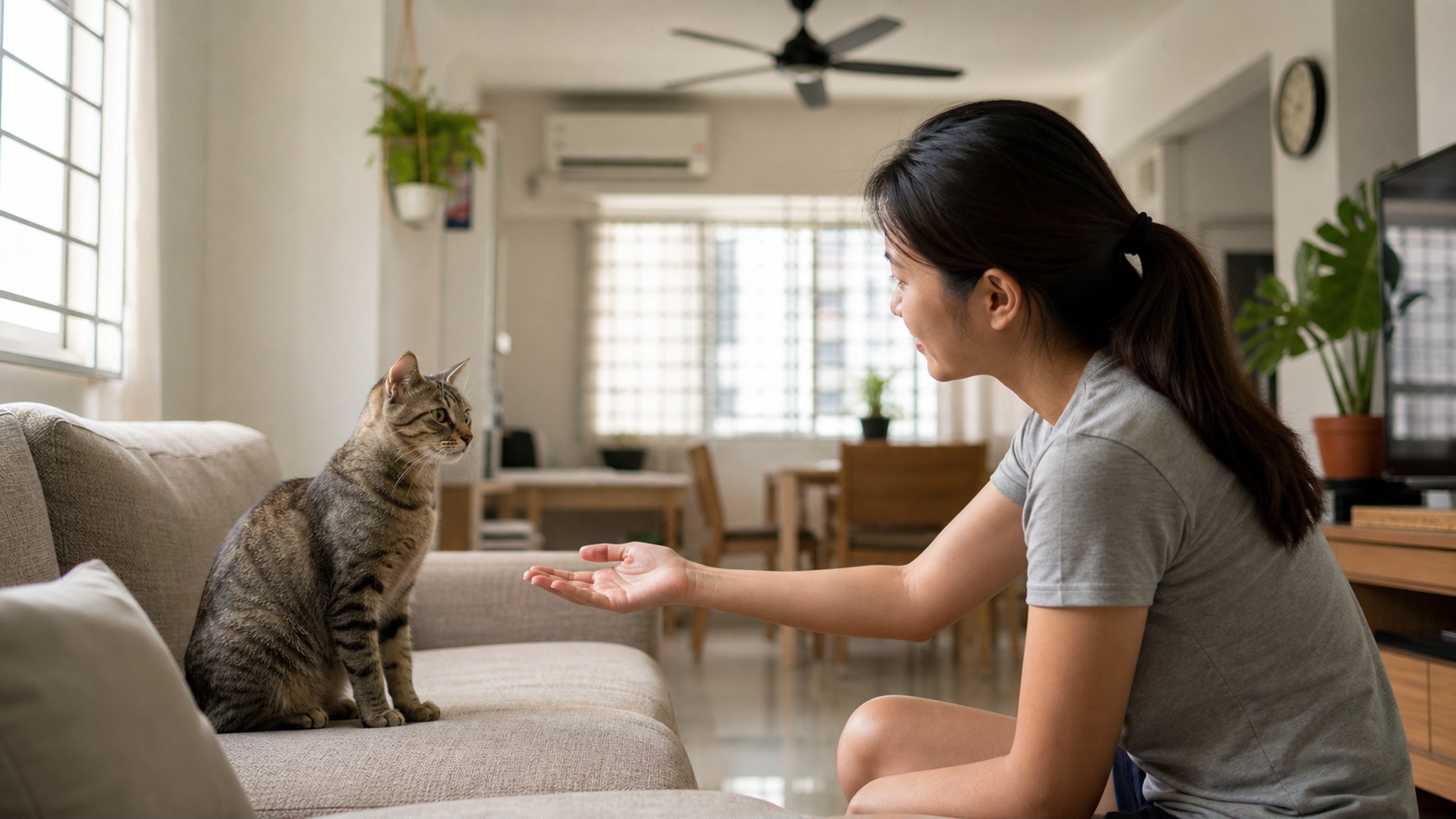
If your cat hates being touched all of a sudden, it can feel personal, especially if they used to enjoy chin scratches or sitting beside you on the sofa. But cats are not always consistent with physical affection. Some cats enjoy touch only in short sessions, while others become more selective as they mature. In many Singapore homes, especially HDB flats where people and pets share compact space, cats may simply want more control over when contact happens.
Normal touch sensitivity often depends on timing, location, and body language. A cat that accepts a few strokes, then flicks the tail, turns the head, or walks away is usually setting a boundary. This does not mean they dislike you; it means the petting session has gone past their comfort point. Many indoor cats prefer predictable touch around the cheeks, chin, and neck, but dislike the belly, paws, tail base, or lower back.
Watch the Pattern, Not Just One Reaction
One bad reaction does not always mean something is wrong. Your cat may have been sleepy, overstimulated, warm, hungry, or distracted by sounds from the corridor. Cats in apartments may also react more strongly after renovation noise, visitors, new furniture, or changes in routine. If the sensitivity disappears after a few hours and your cat is eating, toileting, grooming, and moving normally, it may be behavioural rather than medical.
The concern rises when the pattern is new, repeated, or getting worse. If your cat hates being touched in one specific area, such as the hips, belly, mouth, or back, it deserves closer attention. A cat that suddenly hides, hisses, bites, growls, or avoids family members may be communicating discomfort. Cats are very good at masking pain, so a change in tolerance can be one of the earliest signs owners notice.
Pain, Skin, and Joint Issues That Can Make Cats Avoid Touch
Pain is one of the most important reasons a cat may reject touch. Even a gentle pat can feel uncomfortable if there is a sore muscle, dental pain, stomach discomfort, urinary issue, or joint stiffness. Senior cats may become sensitive around the hips, spine, or hind legs because of arthritis or reduced mobility. Younger cats can also develop pain after jumping awkwardly from shelves, windowsills, cat trees, or kitchen counters.
Skin problems can also make handling unpleasant. Singapore’s humid weather may contribute to itchiness, damp fur, fungal concerns, or skin irritation, especially in cats with dense coats or poor ventilation at home. Fleas are less common in fully indoor cats but still possible, particularly if there are other pets, corridor exposure, or contact with contaminated items. If your cat flinches when you touch the back, neck, or tail base, check for redness, scabs, dandruff, hair loss, or excessive grooming.
Medical Clues Owners Should Not Ignore
If your cat hates being touched and also shows appetite changes, lethargy, vomiting, diarrhoea, limping, or litter box changes, do not treat it as attitude. Urinary discomfort can make some cats tense around the belly or lower body. Dental pain may show up as face rubbing, drooling, dropping food, chewing on one side, or resisting touch near the head. Ear infections or ear mites may cause head shaking and sensitivity around the ears.
Joint pain can be subtle in cats. Instead of obvious limping, you may notice that your cat stops jumping onto the bed, hesitates before climbing, sleeps more, or becomes less playful. Some cats avoid being lifted because pressure on the chest, abdomen, or hips hurts. A vet can assess pain, skin, teeth, ears, joints, and internal issues more safely than home guessing.
Singapore Flat Triggers: Heat, Humidity, Noise, and Stress
Many Singapore cats live indoors in HDB flats or apartments, so small environmental changes can affect their tolerance for touch. Heat and humidity can make cats less patient, especially in rooms without good airflow. A cat resting in a warm corner may not want body contact because it adds heat. Air-con rooms can help some cats relax, but sudden shifts between cold and humid spaces may also affect skin and comfort.
Noise is another common trigger. Lift lobbies, corridor footsteps, doorbells, renovation drilling, delivery riders, and neighbours’ pets can all keep an indoor cat on alert. When a cat is already stressed, touch may feel like one more thing they cannot control. Busy working owners may only interact during short windows, but the cat may need time to settle before being handled.
Stress Can Look Like Rejection
If your cat hates being touched after a home change, think about stress before assuming they have become unfriendly. New litter, new cat food, a moved scratching post, a different laundry scent, or a visiting relative can all change how safe the home feels. Cats rely heavily on scent and routine, so changes that seem small to people may feel major to them. In compact flats, they may also have fewer quiet escape zones.
Multi-cat homes need extra care. One cat blocking access to the litter tray, food bowl, window perch, or resting spot can make another cat tense and defensive. This tension may show up when humans try to touch the stressed cat. Good vertical space, separate resources, and calm feeding areas can make a big difference in HDB and apartment settings.
When to Call a Vet Instead of Waiting
Call a vet promptly if your cat’s touch sensitivity appears with clear signs of pain or illness. These include not eating, hiding for long periods, panting, sudden aggression, repeated vomiting, breathing difficulty, weakness, collapse, blood in urine or stool, or crying when touched. Male cats straining in the litter box need urgent vet attention because urinary blockage can become dangerous quickly. If you are unsure, it is safer to call the clinic and describe the symptoms.
You should also seek veterinary advice if the sensitivity lasts more than a day or two without an obvious stress trigger. Cats can hide illness until the problem is advanced, so waiting too long may make treatment harder. A vet may recommend a physical exam, dental check, skin test, urine test, bloodwork, or imaging depending on the signs. Avoid giving human painkillers, medicated creams, or supplements without veterinary guidance, as many products are unsafe for cats.
Prepare Useful Details Before the Appointment
Before visiting the vet, note when the change started and which body areas your cat avoids. Record appetite, water intake, litter box habits, grooming, sleeping spots, movement, and any recent changes in food, litter, household routine, or environment. A short video of the reaction can help, especially if the cat behaves differently at the clinic. This is more useful than trying to repeatedly touch the painful area at home.
If your cat hates being touched only during lifting, tell the vet exactly how you lift them and where they react. Some cats dislike being picked up because they feel unsupported, but others resist because pressure causes pain. Use a secure carrier, keep the trip calm, and avoid forcing contact before leaving. The goal is to reduce stress while getting a proper medical check.
Comfort Supplies That May Help at Home
Home supplies cannot replace a vet check when pain or illness is possible, but they can support comfort after serious issues are ruled out. Start with resting spaces that let your cat choose distance. Soft beds, breathable mats, window perches, and quiet hideouts can help cats relax without feeling cornered. In Singapore humidity, washable and quick-dry materials are often more practical than thick bedding that traps moisture and odour.
Litter setup also matters. If a cat is sore, stressed, or older, a high-sided tray may be uncomfortable to enter. Low-entry litter boxes, odour-control litter, and regular cleaning can reduce irritation around toileting. Many owners searching for cat litter Singapore options should consider dust level, clumping quality, odour control, and whether the texture is gentle on paws.
Food, Hydration, and Handling Aids
Some cats become less tolerant when they are hungry, dehydrated, or digestively uncomfortable. Good-quality wet food, fresh water, water fountains, and suitable bowls may encourage better hydration, especially in warm flats. If you are changing diet, do it gradually and choose cat food Singapore options that match your cat’s life stage and health needs. For cats with medical conditions, follow the vet’s diet advice rather than switching based only on online reviews.
Handling aids can make daily care less stressful. A stable scratching post, grooming brush suited to your cat’s coat, nail clippers, calming beds, and carrier training can help your cat feel more in control. If your cat hates being touched, avoid chasing or pinning them down for routine care. Instead, use short sessions, treats, and predictable cues so your cat can rebuild trust at their pace.
Build a Touch-Friendly Routine
Choose calm moments for interaction, such as after meals or when your cat approaches you voluntarily. Offer one or two strokes, pause, and let your cat decide whether to continue. Watch for soft eyes, relaxed posture, leaning in, or gentle head bumps as signs of consent. Stop before tail lashing, skin twitching, ear flattening, or turning to bite.
For HDB cat households, it helps to create touch-free zones where the cat will not be disturbed. This could be a shelf, bed, carrier, or quiet corner away from the main walkway. When cats know they can retreat safely, they are often more willing to interact later. Over time, respectful handling can turn a defensive cat into a more confident one.
FAQ
Why does my cat suddenly hate being touched?
A sudden change can be caused by overstimulation, stress, heat, noise, pain, skin irritation, dental issues, or joint discomfort. If the reaction is repeated, focused on one body area, or comes with appetite, movement, or litter box changes, arrange a vet check.
Is it normal for cats to dislike belly rubs?
Yes. Many cats protect the belly because it is a vulnerable area. Even affectionate cats may enjoy cheek or chin scratches but dislike belly, paws, tail, or lower back contact.
Can Singapore humidity make my cat more sensitive?
Humidity can contribute to discomfort, especially if the coat stays damp, the room has poor airflow, or the cat has skin irritation. Keep bedding clean and dry, monitor grooming, and ask a vet if you see redness, scabs, hair loss, or excessive scratching.
When should I bring my cat to the vet?
Go sooner if your cat is not eating, hiding, limping, vomiting, crying, straining in the litter box, showing sudden aggression, or reacting painfully to touch. Male cats with urinary straining need urgent veterinary attention.
How can I pet a cat that dislikes touch?
Let the cat approach first, touch safer areas like the chin or cheeks, keep sessions short, and pause often. Stop immediately if you see tail flicking, ear flattening, skin twitching, or the cat turning to nip.
Comfort Starts With the Right Everyday Setup
If your cat hates being touched, the best first step is to listen, observe, and rule out pain with a vet when signs point beyond normal boundaries. After that, the right home setup can make daily life calmer: breathable beds for humid weather, low-dust litter for odour control, stable scratchers, gentle grooming tools, hydration support, and food that suits your cat’s age and routine. For busy Singapore cat owners, online cat supplies make it easier to keep essentials ready without last-minute store runs. Choose practical items that reduce stress, support comfort, and help your cat feel safe enough to come close again.
延伸閱讀
- Does Your Indoor HDB Cat Still Need Vaccinations in Singapore? A Vet Checklist
- Is Fish-Based Cat Food Making Your Cat Itchy? A Singapore Vet-Check Guide
- Can Renovation Dust and Paint Fumes Affect Cats in Singapore Flats?
Last updated:2026-06-20 by CatGarden
CatGarden Deodorizing Mineral Cat Litter 3.0