
▶Cat Column, Nutrition eating guide
How to Introduce a New Cat to Your Resident Cat in a Malaysian Home
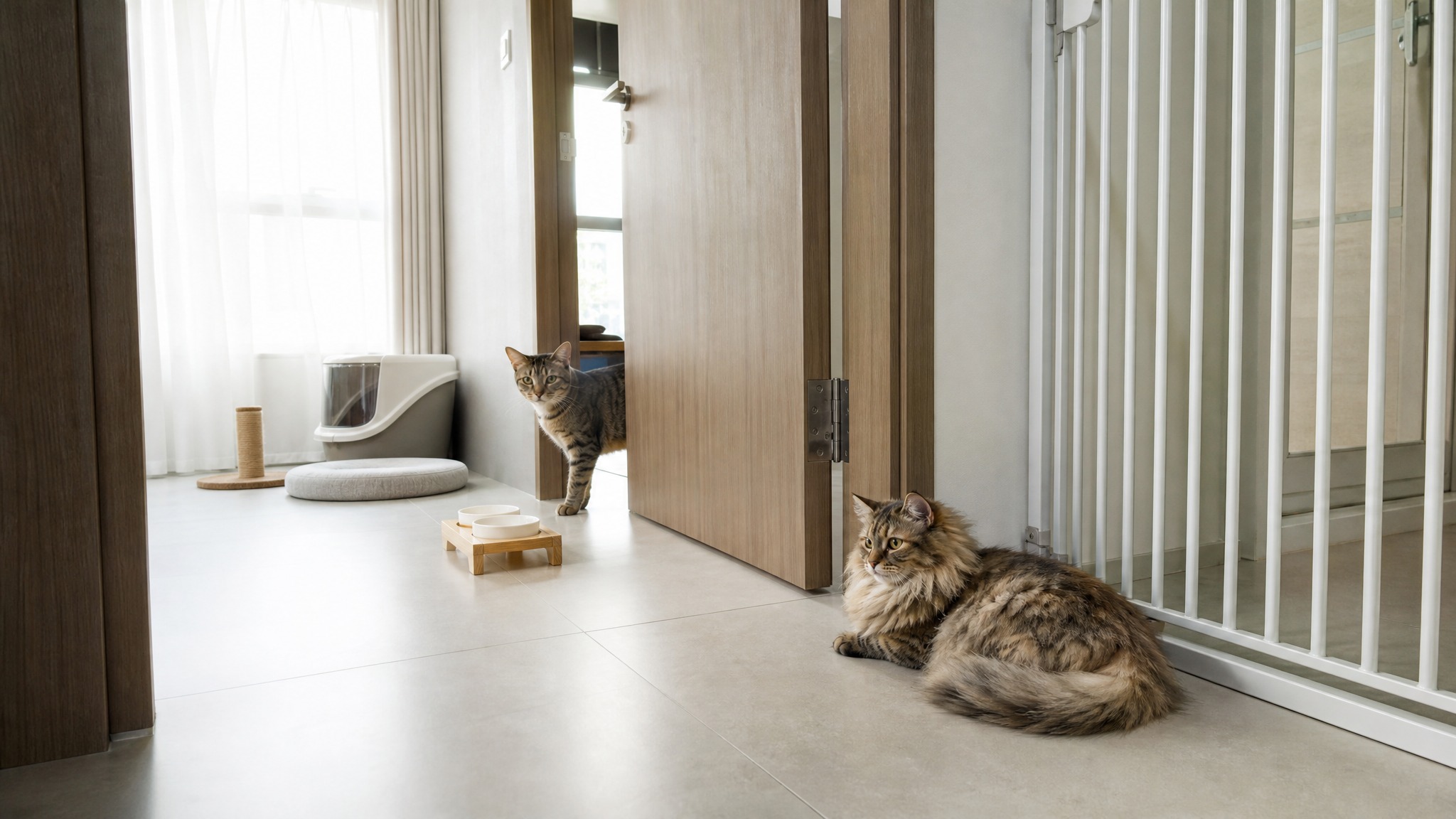
Why cat introductions go wrong when owners move too fast
Bringing home a second cat can be exciting, but many owners underestimate how territorial cats are. In most cat introduction Malaysia situations, the biggest mistake is letting both cats meet face to face too soon. What looks like “just letting them sort it out” can quickly turn into chasing, swatting, hiding, or litter box problems that take weeks to undo.
Cats do not build trust the way dogs often do. They rely heavily on scent, routine, and control over their space. In Malaysia, where many cats live in condos or gated landed homes with limited indoor territory, forcing quick interaction can make both cats feel trapped. A bad first impression can create long-term tension even if both cats are normally friendly.
Another reason introductions fail is that owners misread silence as acceptance. Two cats may stay quiet simply because one is too scared to move, while the other is guarding a doorway or food area. In a humid home environment, stress can also build faster when cats are already uncomfortable from heat, odour, or poor ventilation. A slow plan is not being “too careful”; it is often the fastest route to a peaceful home.
Rushing is especially risky if the new cat has outdoor exposure history. In Malaysian neighbourhoods, outdoor cats may come with unfamiliar smells, fleas, or mild health issues that stress your resident cat even before direct contact. Good cat introduction Malaysia practice starts with distance, scent swapping, and observation, not immediate sharing of the whole house.
What to prepare before your new cat comes home
Before the new cat arrives, set up a separate safe room. This can be a spare bedroom, a study room, or even a quiet sectioned-off area if you live in a condo. The room should have food and water bowls, a litter tray, bedding, toys, and a hiding spot. Keeping the new cat in one controlled area reduces fear and prevents overwhelming your resident cat.
You should also prepare enough resources for both cats. A common rule is one litter box per cat, plus one extra, and this is very useful in a Malaysian household where enclosed spaces can trap smell and tension. Place bowls, beds, and scratching areas apart so neither cat feels forced to compete. If you are comparing products on Shopee or Lazada, prioritise easy-clean litter boxes, odour control litter, and washable bedding for the humid climate.
Essential preparation checklist
- Separate room for the new cat for at least the first few days
- Extra litter trays with low odour, low dust cat litter or pasir kucing
- Separate food and water stations to reduce guarding behaviour
- Soft bedding and hiding spots for security
- Carrier for safe movement during vet visits or room swaps
- Flea prevention and basic health check before closer contact
Health prep matters more than many owners think. If the new cat has not had a vet check yet, do that first before full integration. Fleas spread fast in warm, humid weather, and even a mild flea problem can cause scratching, agitation, and tension between cats. A healthy, comfortable cat is much easier to introduce than one who is itchy, unwell, or exhausted.
Scent is the real first introduction. Prepare a few cloths or towels to gently rub on each cat’s cheek area and swap between them. This helps each cat learn the other’s scent without pressure. For successful cat introduction Malaysia at home, think of scent exchange as the foundation before eye contact ever happens.
A step-by-step cat introduction plan for condos and landed homes
Start with separation and routine. For the first few days, let the new cat settle into the safe room while the resident cat continues normal life outside. Feed both cats on opposite sides of the closed door so they begin associating each other’s scent with something positive. If either cat refuses food, move the bowl farther from the door and go more slowly.
Next comes scent swapping. Exchange bedding, use the same brush if both cats tolerate it, or do short room swaps where the resident cat explores the new cat’s room while the newcomer stays elsewhere. This stage is important because scent is less threatening than direct staring. In many cat introduction Malaysia cases, owners who spend longer on scent work get smoother face-to-face meetings later.
Step 1: Controlled closed-door introduction
Keep the door shut, but let the cats hear and smell each other. Offer treats, meals, or play sessions near the door so they build calm associations. If you hear growling or hissing, do not panic; this is normal communication. The goal is not instant friendship, but reduced tension over time.
Step 2: Visual contact with a barrier
Once both cats seem calmer, create visual access using a gate, slightly opened door, or covered barrier you can adjust. In condos, this may be easier with a mesh screen at a room entrance. In landed homes, you may have more room for hallway setups, but make sure there is no easy route for sudden chasing. Keep sessions short and end while both cats are still relatively calm.
Step 3: Short supervised meetings
When visual sessions go well, allow short supervised time in the same space. Use toys or treats to redirect attention and avoid placing them nose to nose. A few minutes is enough at first. If one cat stalks, freezes, or stares too intensely, separate and try again later.
Condo homes usually need more vertical space during this stage. Cat trees, shelves, or sturdy furniture give each cat a way to observe without conflict. In landed homes, the challenge is often larger territory and more hiding zones, so make sure neither cat corners the other behind furniture or near stairs. Good cat introduction Malaysia planning depends on your layout, not just the cats’ personalities.
Expand access slowly. Let the cats spend longer periods together only after repeated calm sessions. Continue to provide multiple litter trays, feeding areas, and resting places even if they seem fine. Many owners remove the extra setup too early, but shared space does not mean shared comfort yet.
Signs of stress, fear or aggression to watch during the process
Some tension is normal, but certain signs mean you should slow down. Hissing, growling, and puffed tails are clear warnings, especially when repeated during every session. A cat that crouches low, hides constantly, or stops eating is not “being shy”; it is struggling to cope. If you notice these signs, return to the previous introduction stage for a few days.
Watch the resident cat as closely as the newcomer. Existing cats often show stress in subtle ways such as overgrooming, sleeping less, spraying, or avoiding family members. In Malaysia’s warm weather, reduced appetite or litter box avoidance may also be easier to miss because owners assume the cat is just feeling hot. Behaviour changes after a new arrival should always be taken seriously.
Common warning signs
- Repeated stalking, chasing, or blocking access to doorways
- Refusing food near the other cat’s scent or presence
- Litter box accidents or spraying
- Flattened ears, fixed staring, low growling, or swatting
- Hiding for long hours and avoiding normal activity
- Sudden overgrooming or scratching caused by stress
Not every disagreement means failure. A single hiss during early meetings does not mean the cats will never get along. What matters is the overall pattern: are they recovering quickly, eating normally, and showing curiosity instead of escalating fear? In a proper cat introduction Malaysia plan, progress is measured in calm repetition, not dramatic “best friends” moments.
If an actual fight happens, do not reach in with your hands. Use a pillow, blanket, or large object to create distance, then separate both cats safely. After that, go back several steps in the introduction process. Injuries, severe fear, or prolonged bullying may require advice from a vet or feline behaviour professional.
Helpful cat supplies that can make introductions easier at home
The right home setup can make introductions much smoother. Start with practical basics: multiple litter trays, separate bowls, scratching posts, and a secure carrier. In Malaysia, odour control matters because humidity can make litter smells stronger, especially in smaller condo units. Choosing quality cat litter and placing trays in ventilated areas helps keep both cats comfortable.
Food also plays a role. Use high-value treats or wet food during scent and visual sessions to build positive associations. If one cat is picky, try rotating textures and flavours carefully rather than forcing one formula. Many owners searching for cat introduction Malaysia tips overlook how powerful food routines can be in reducing tension.
Useful supplies for smoother introductions
- Extra litter boxes with good clumping and odour control
- Separate feeding bowls and water fountains
- Interactive toys for redirecting focus during supervised meetings
- Cat trees or shelves for vertical escape space
- Washable mats and bedding for scent swapping and easy cleaning
- Flea prevention products suitable for indoor cats in humid weather
If your cats are sensitive to smells, choose unscented litter and easy-to-clean feeding stations. Strong artificial fragrances can sometimes add stress instead of helping. For homes with limited space, stackable storage and corner-friendly cat furniture are practical options. Product research is common before purchase, so compare reviews carefully and focus on safety, cleaning ease, and real daily use.
A calm introduction is rarely about one magic item. It is the combination of space management, routine, scent control, and enough resources for both cats. If you are preparing for a new cat or upgrading your setup, explore reliable cat supplies such as cat litter, feeding tools, bedding, toys, and everyday essentials that support a safer transition. Choosing the right cat supplies early can save stress, mess, and repeated trial-and-error later.
If you are planning a second cat at home, take time to stock up on practical essentials before the first meeting happens. The right cat supplies can make daily management much easier, especially in Malaysian homes dealing with humidity, odour control, and limited condo space. Focus on basics that support separation, hygiene, and positive routines: extra litter trays, quality cat litter, food bowls, toys, scratchers, and washable bedding. Small setup choices often make a big difference in whether your cats feel secure. If you are comparing options, look for reliable, easy-clean cat supplies that fit your home layout and your cats’ habits, so the introduction process stays calm from day one.
FAQ
How long does cat introduction usually take?
It depends on the cats’ personalities, age, and past experiences. Some cats adjust within a week or two, while others need a month or more. Slow progress is normal, and rushing usually causes setbacks.
Can I introduce cats faster if one of them is still a kitten?
Kittens are often more adaptable, but your resident cat may still feel stressed by the change. You should still use separation, scent swapping, and supervised sessions. A playful kitten can overwhelm an older cat very easily.
Is hissing always a bad sign?
No. Hissing is communication and often means a cat is setting boundaries. It becomes more concerning if it is constant, escalates into chasing or fighting, or is paired with refusal to eat, litter issues, or extreme hiding.
Should both cats share one litter box once they seem okay?
It is better to keep multiple litter boxes long term. Even cats that tolerate each other may dislike sharing toilet space. This is especially important in smaller Malaysian homes where trapped odour and blocked access can quickly create stress.
What if my resident cat suddenly starts spraying after the new cat arrives?
Spraying is often a stress signal. Go back to a slower introduction stage, increase resources like litter trays and resting spots, and clean marked areas properly. If the behaviour continues, consult a vet to rule out medical causes.
延伸閱讀
- Should You Get a Second Cat? A Practical Guide for Malaysian Homes
- How to Help a Cat Adjust to a New Apartment in Malaysia
- Why Is My Cat Suddenly Attacking Me? Common Behaviour Triggers in Malaysian Homes
Last updated:2026-06-04 by CatGarden
CatGarden Deodorizing Mineral Cat Litter 3.0