
▶Cat Column, Everyday beauty care
Cat Skin Problems in Malaysia: Is Humidity Causing Itching, Dandruff or Hot Spots?
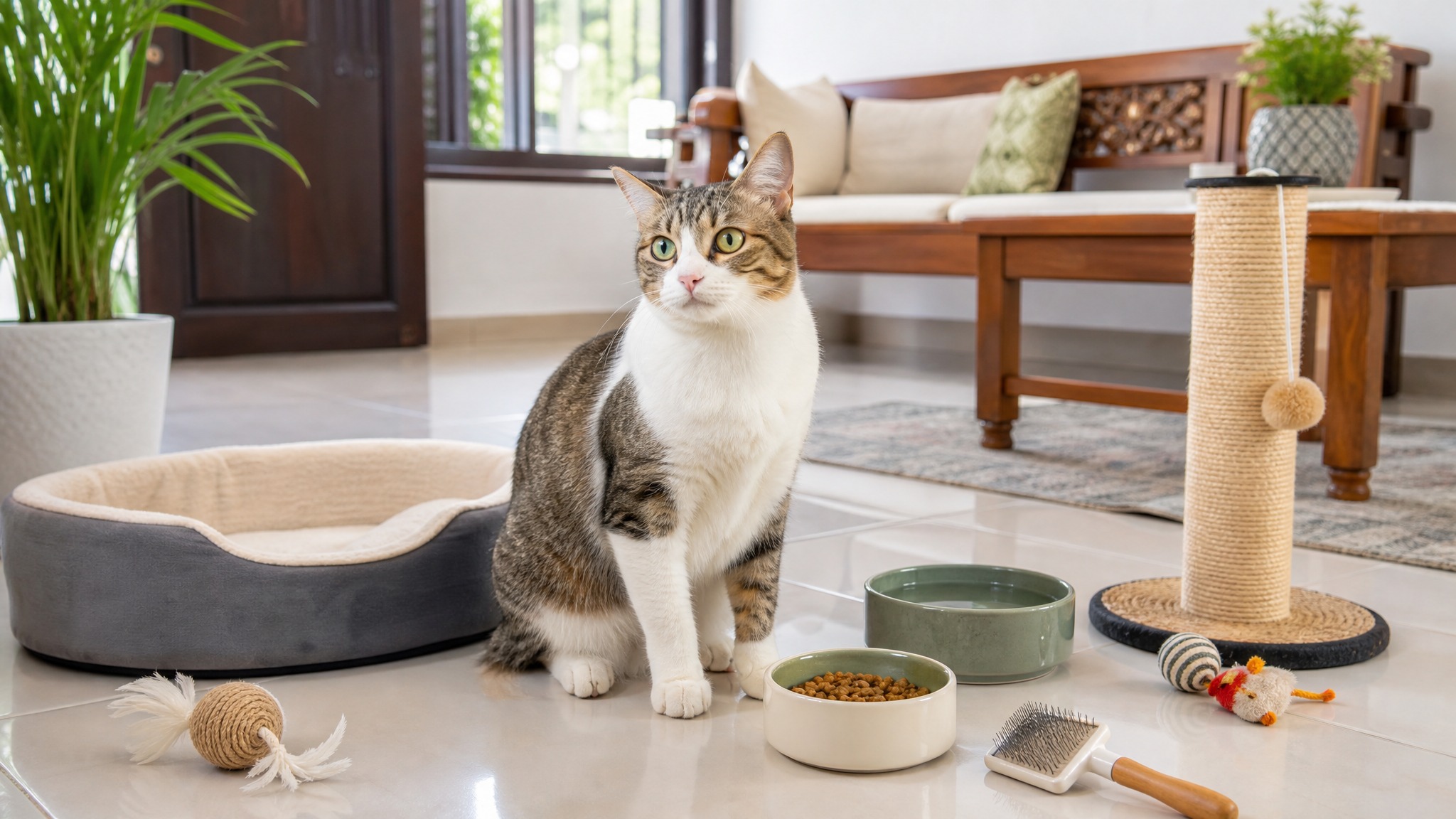
How Humidity Affects Your Cat’s Skin in Malaysia
Malaysia’s warm, humid weather can make skin issues more noticeable in cats, especially for indoor cats living in condos or landed homes with limited airflow. When moisture stays trapped close to the skin, it can make the coat feel greasy, encourage odour, and create a more comfortable environment for yeast, bacteria, and parasites. This is one reason many owners searching for cat skin problems Malaysia notice itching, dandruff, or red patches during rainy periods or in poorly ventilated rooms.
Humidity does not always cause skin disease by itself, but it can make existing problems worse. A cat with mild allergies, fleas, dry flakes, or small scratches may become itchier when the coat stays damp or warm for long periods. Long-haired cats, senior cats, overweight cats, and cats that dislike grooming can be more affected because loose fur and skin oils build up faster. In Malaysian homes, air-conditioning, fans, regular brushing, and keeping bedding dry can make a real difference.
Why itching and dandruff may increase during humid weather
In humid conditions, dead skin cells and loose undercoat may cling to the fur instead of falling away easily. This can make dandruff look worse, especially along the back, near the tail base, or around areas the cat cannot groom properly. If the cat is also scratching or biting the skin, the problem may not be “just dandruff”. It could point to fleas, mites, allergies, fungal infection, or another skin condition that needs attention.
Hot spots can also appear when a cat repeatedly licks or scratches one area until the skin becomes inflamed. These patches may look wet, red, painful, or crusty, and they can worsen quickly in Malaysia’s humid climate. Owners researching cat skin problems Malaysia should treat hot spots as more than a cosmetic issue. Once the skin barrier is broken, infection can develop faster than expected.
Common Causes of Itching in Malaysian Cats
Itching can come from many different causes, so it helps to look at the cat’s full lifestyle. Indoor cats may still get itchy from dust, food sensitivities, litter dust, cleaning products, or stress-related overgrooming. Cats that spend time on balconies, gardens, car porches, or corridors may also be exposed to fleas, mosquitoes, pollen, soil, and other irritants. The pattern of itching often gives useful clues.
If your cat scratches mostly around the neck, ears, and head, ear mites, skin mites, allergies, or collar irritation may be involved. If the biting is focused near the lower back and tail base, fleas are a common suspect, even when you do not see live fleas. If the paws, belly, or inner thighs are affected, contact irritation from floor cleaners, litter, or outdoor surfaces may be possible. For cat skin problems Malaysia, the most practical first step is to observe where the itch happens, how often it occurs, and whether other pets in the home are also scratching.
Food, litter, and home environment triggers
Food sensitivities can cause itchy skin in some cats, but they are not the only explanation. A cat may react to certain proteins, additives, or treats, yet similar symptoms can also come from fleas or environmental allergies. Switching cat food too quickly can also cause stomach upset, so any diet trial should be planned carefully. If you suspect food is involved, speak with a vet before changing too many products at once.
Cat litter can also play a role, especially if the litter is dusty, strongly scented, or not cleaned often enough. In humid Malaysian homes, litter boxes may develop odour faster, and damp litter can irritate sensitive paws. Some cats overgroom after stepping in dirty or perfumed litter, which can make the skin around the legs and belly look thinner. Choosing a lower-dust cat litter or pasir kucing, scooping daily, and keeping the box in a dry, ventilated area can reduce irritation.
Fleas and Outdoor Exposure Risks
Fleas are one of the most common reasons cats itch, and they can affect both indoor and indoor-outdoor cats. Even a cat that never leaves a condo unit can be exposed if fleas are carried in on shoes, other pets, lift areas, corridors, or shared spaces. In landed homes, gardens, drains, porches, and neighbourhood cats can increase exposure risk. Because Malaysia’s weather is warm year-round, flea prevention should not be treated as a seasonal issue.
Some cats are very sensitive to flea saliva, so one or two bites may trigger intense itching. The cat may bite the tail base, pull out fur, or develop scabs along the back and neck. You may not always find adult fleas because cats groom themselves quickly, but black flea dirt in the coat or bedding is a warning sign. For owners comparing cat skin problems Malaysia, flea allergy should stay high on the checklist.
Outdoor access, balconies, and multi-pet homes
Cats that go outdoors, sit at open windows, or spend time on balconies may come into contact with insects, pollen, soil, or fungal spores. Small wounds from fights or rough play can also become infected if they are hidden under fur. If your cat returns home with scratches, swelling, or a painful patch, do not wait too long to check it. In humid weather, trapped moisture and bacteria can make minor skin damage worse.
Multi-pet homes need extra care because fleas and mites can move between animals. Treating only one cat may not solve the issue if other cats, dogs, bedding, rugs, or sofa areas are still affected. Wash washable bedding, vacuum soft surfaces, and follow vet-approved flea control for all suitable pets in the household. Avoid using dog flea products on cats, as some ingredients can be dangerous for them.
When to See a Vet
Home care can help with mild dryness, loose fur, or early irritation, but some signs should be checked by a vet. See a vet if your cat has open wounds, bleeding, swelling, pus, a bad smell, sudden bald patches, intense scratching, or skin that feels hot and painful. You should also seek help if your cat is hiding, eating less, acting weak, or becoming aggressive when touched. These signs may mean infection, allergy, parasites, pain, or another medical problem.
Skin problems can look similar from the outside, but the treatment may be very different. Fleas, mites, ringworm, bacterial infection, yeast, food allergy, and immune-related skin disease can all cause scratching or hair loss. A vet may perform a skin scrape, fungal test, flea check, ear exam, or other tests to narrow the cause. This is why serious cat skin problems Malaysia should not be treated only with random online product recommendations.
Be careful with creams, oils, and human products
Many human skincare products are not safe for cats because cats lick their fur and may ingest residues. Essential oils, medicated creams, herbal balms, antiseptics, and strong shampoos can irritate the skin or cause poisoning. Even products labelled “natural” may not be safe for feline skin. If the skin is broken, painful, or wet, ask a vet before applying anything.
It is also better not to over-bathe an itchy cat unless a vet recommends a specific shampoo. Bathing too often can strip skin oils, stress the cat, and make dryness worse. If bathing is needed, use a cat-safe product and dry the coat properly, especially for long-haired cats. In Malaysia’s humidity, leaving damp fur can make the skin uncomfortable and increase odour.
Helpful Supplies for Home Care
The right home supplies can reduce irritation and help you notice problems earlier. A gentle brush or comb removes loose fur, spreads natural oils, and helps you spot flakes, flea dirt, scabs, or redness. For long-haired cats, regular brushing is especially useful because mats trap heat and moisture near the skin. Short, calm grooming sessions are usually better than forcing one long session.
Clean bedding is another simple but important step. Wash blankets, cushion covers, and favourite sleeping spots regularly, especially during humid or rainy weeks. If your cat sleeps near windows, balconies, or laundry areas, check whether dampness or dust is building up. For cat skin problems Malaysia, consistent home hygiene often supports vet treatment and reduces repeat flare-ups.
Supplies worth considering
- Low-dust cat litter: Helps reduce paw and belly irritation, especially for sensitive cats or enclosed litter box setups.
- Grooming comb or slicker brush: Useful for removing loose coat, spotting dandruff, and preventing mats in humid weather.
- Vet-approved flea prevention: Important for cats with outdoor exposure, multi-pet homes, or recurring itching near the tail base.
- Washable cat bedding: Makes it easier to control fleas, dust, dander, and odour in condos or landed homes.
- Cat-safe wipes: Helpful for light dirt on paws or coat, but not a replacement for vet care when skin is inflamed.
- Balanced cat food: Good nutrition supports skin and coat health; search terms like cat food Malaysia or makanan kucing can help compare options, but choose based on quality, not only price.
When shopping online through Shopee, Lazada, or local pet stores, compare product ingredients, reviews, size, and suitability for your cat’s age and health needs. Avoid buying random medicated products just because the reviews mention itching, as the cause may be different for your cat. For flea control, check that the product is specifically for cats and suitable for your cat’s weight. If your cat has ongoing skin symptoms, supplies should support the care plan rather than replace diagnosis.
FAQ
Can Malaysia’s humidity cause cat skin problems?
Humidity can make skin problems worse, but it is usually not the only cause. Warm, damp conditions can increase oiliness, odour, and irritation, especially if the coat is not drying well. However, fleas, allergies, mites, infection, food sensitivities, and poor litter hygiene can also cause similar signs. If symptoms continue, a vet check is the safest way to identify the real cause.
Why does my cat have dandruff even though it stays indoors?
Indoor cats can still develop dandruff from dry skin, poor grooming, obesity, old age, nutrition issues, or environmental irritation. Air-conditioning may dry the skin, while humidity can make flakes stick to the coat. Dusty litter and dirty bedding may also contribute to irritation. Regular brushing, clean bedding, and a balanced diet can help, but persistent dandruff should be checked.
How do I know if itching is caused by fleas?
Flea-related itching often appears near the lower back, tail base, neck, or belly. You may see small scabs, hair loss, or black flea dirt in the fur or bedding. Some cats groom away the fleas quickly, so you may not see live insects. If you suspect fleas, use vet-approved flea prevention and clean the home environment thoroughly.
Should I bathe my cat if it has itchy skin?
Do not rush to bathe an itchy cat unless you know the cause or a vet has advised it. Bathing with the wrong shampoo can worsen irritation, and damp fur can be uncomfortable in humid weather. If the skin is red, wet, painful, or wounded, get veterinary advice first. Gentle brushing and keeping the environment clean are often safer first steps.
When is cat dandruff an emergency?
Dandruff alone is not usually an emergency, but it becomes more serious when combined with wounds, swelling, bleeding, pus, bad smell, severe itching, or sudden hair loss. You should also act quickly if your cat stops eating, hides, or seems painful. These signs may point to infection or another medical condition. Early treatment can prevent the issue from spreading.
Finding the Right Cat Supplies for Skin Comfort
Managing skin comfort at home is about building a simple, consistent routine: clean bedding, low-dust cat litter, regular brushing, safe flea prevention, and food that supports a healthy coat. For Malaysian cat owners, the best cat supplies are practical for humid weather, easy to maintain in condos or landed homes, and suitable for your cat’s real lifestyle. When comparing cat supplies online, look beyond price and check safety, ingredients, dust level, scent, and whether the product is made for cats. Small upgrades in daily care can help reduce repeat itching, odour, dandruff, and discomfort while giving you a clearer view of when your cat truly needs vet attention.
延伸閱讀
- Is Your Neutered Cat Always Hungry? Feeding and Weight Control Tips for Malaysian Homes
- Do Neutered Cats in Malaysia Need Urinary Care Food? What Vets Usually Look For
- Can Humid Weather Cause Yeast Skin Infections in Cats? Signs Malaysian Owners Should Not Miss
Last updated:2026-06-12 by CatGarden
CatGarden Deodorizing Mineral Cat Litter 3.0