
▶Cat Column, Everyday beauty care
Can Humid Weather Cause Yeast Skin Infections in Cats? Signs Malaysian Owners Should Not Miss
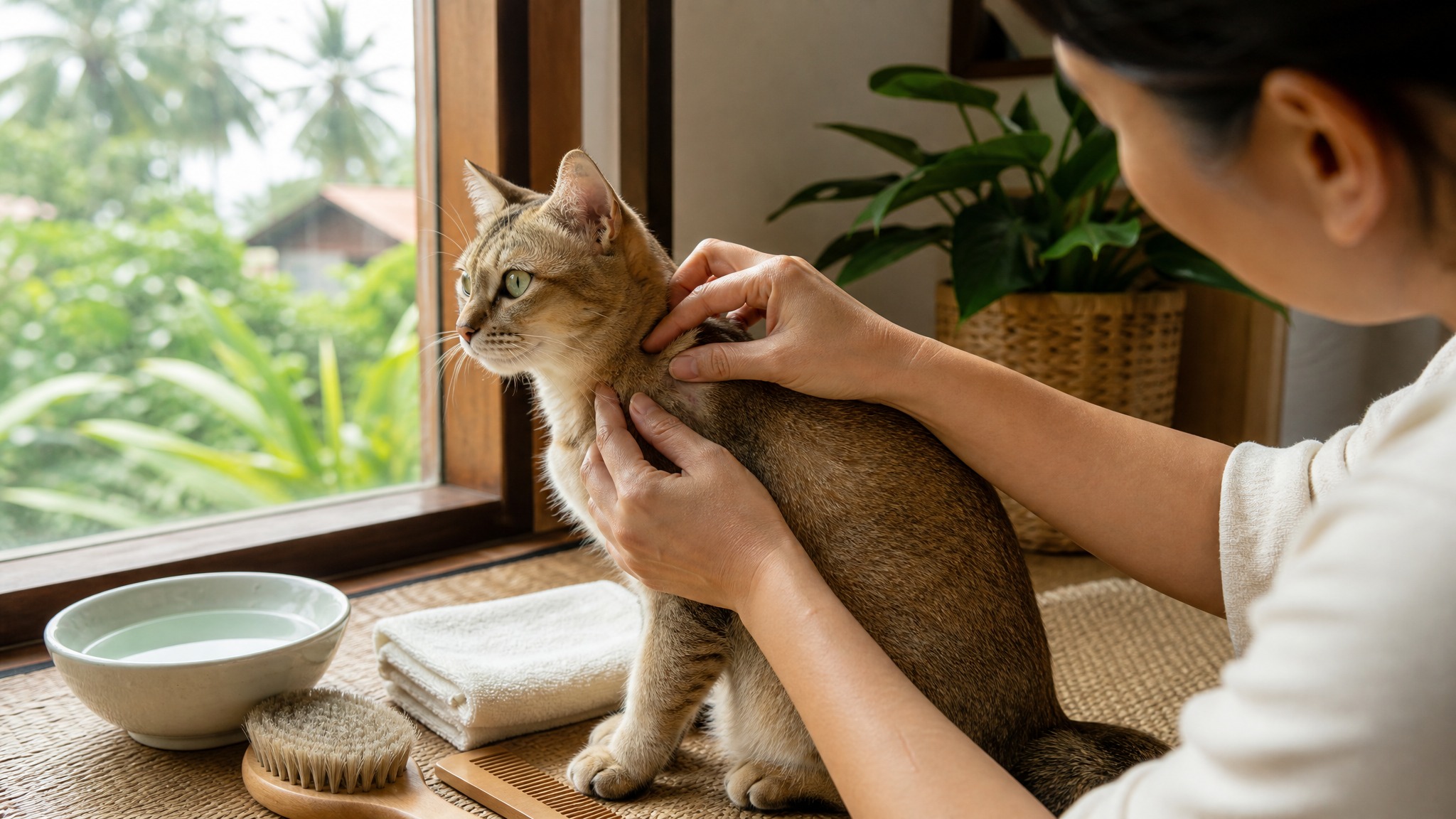
Why Malaysia’s Humidity Can Make Yeast Problems Worse
Malaysia’s warm and humid weather can make skin problems more uncomfortable for cats, especially cats that spend time near balconies, wet kitchens, bathrooms, shaded car porches, or outdoor areas around landed homes. Yeast naturally exists on a cat’s skin in small amounts, but when the skin stays damp, oily, irritated, or inflamed, it can overgrow. This is why cat yeast infection Malaysia searches often come from owners noticing a sudden smell, greasy fur, or repeated scratching during rainy or very humid periods.
Indoor cats are not automatically protected either. In condos, poor airflow, damp laundry areas, enclosed litter corners, and air-conditioned rooms with condensation can all affect skin and coat condition. Cats with allergies, fleas, wounds, ear problems, or weakened immune systems may be more prone to secondary yeast overgrowth. Humidity does not usually “create” the infection by itself, but it can make an existing skin imbalance worse and harder to settle.
Why damp fur matters
When fur stays damp after rain, bathing, water spills, or constant licking, the skin barrier may become irritated. Cats with thick coats, skin folds, or matted fur can trap moisture close to the skin. Over time, that damp and warm environment can encourage yeast and bacteria to multiply. Malaysian owners should pay close attention when a cat keeps licking the same area after wet weather or after resting in humid corners of the home.
Yeast issues may also appear together with other problems. A cat with flea allergy may scratch until the skin becomes inflamed, then yeast may grow on the damaged skin. A cat with food or environmental allergies may lick the paws, belly, or neck repeatedly, again creating the right condition for secondary infection. This is why diagnosing cat yeast infection Malaysia cases should involve looking for the underlying trigger, not just treating the smell or itch.
Common Signs of Yeast Skin Infection in Cats
One of the most noticeable signs is a strong, musty, oily, or sour smell from the skin or ears. Some owners describe it as a “wet towel” or “old oil” smell that returns soon after wiping the cat. The fur may look greasy, clumped, or darker around the affected area. In humid Malaysian homes, this smell can become more obvious when the cat sleeps in enclosed spaces or after a rainy day.
Itching is another common sign, but cats do not always scratch in an obvious way. Some cats overgroom, bite their paws, rub their face, shake their head, or hide more because the skin feels uncomfortable. You may notice thinning fur, redness, flaky skin, scabs, or brownish discharge around the ears, paws, chin, armpits, groin, or base of the tail. If these signs keep returning, cat yeast infection Malaysia should be considered as one possible cause.
Areas owners should check
Start by checking the ears, especially if your cat shakes its head, tilts one ear, or scratches around the face. Yeast ear problems may come with dark wax, redness, smell, or sensitivity when touched. Next, look between the toes and paw pads, as damp floors, litter dust, and frequent licking can irritate this area. Do not dig into the ear canal or apply random ear drops without a vet’s advice, as ear problems can have different causes.
Also check the belly, inner thighs, underarms, neck, chin, and tail base. These areas can trap sweat, saliva, oil, flea dirt, or moisture more easily. Long-haired cats may show fewer visible signs because the fur hides redness or scabs. If your cat dislikes being handled, take photos when possible and show them to your vet, especially if the condition changes after rainy weeks or after switching food, litter, shampoo, or cleaning products.
How Yeast Differs From Fleas, Ringworm and Simple Itching
Yeast infections can look similar to other common cat skin problems, so guessing from appearance alone is risky. Fleas often cause intense itching, especially near the tail base, back legs, belly, and neck. You may see flea dirt, which looks like tiny black specks that turn reddish-brown when placed on wet tissue. A cat can still react badly to fleas even if you only find one or two, especially in warm Malaysian weather where flea control can be a year-round issue.
Ringworm is different because it is a fungal skin infection that can spread to humans and other pets. It may cause circular hair loss, broken hairs, scaling, or crusty patches, though not every case looks like a neat ring. Simple itching from dust, heat, litter fragrance, or a mild allergy may improve after removing the trigger, but yeast often comes with odour, greasy skin, and persistent inflammation. This is why cat yeast infection Malaysia content should always remind owners not to self-diagnose based only on online photos.
Clues that point to yeast
Yeast is more likely when the affected skin smells bad, feels oily, looks red or thickened, and keeps recurring in moist areas. Paw licking with brown staining between the toes can also be a clue, although it is not proof by itself. Ear yeast may come with waxy discharge and head shaking, but ear mites, bacteria, allergies, and foreign material can cause similar symptoms. A vet may need to examine skin cells or ear debris under a microscope to confirm what is happening.
Another clue is timing. If symptoms flare during rainy seasons, after bathing, after a flea outbreak, or when the cat has been licking one spot constantly, moisture and inflammation may be part of the pattern. However, the main cause could still be fleas, allergy, wounds, mites, ringworm, or another medical issue. Treating only yeast without fixing the trigger may lead to repeat episodes. For Malaysian owners comparing advice online, the safest approach is to treat yeast as a sign that the skin needs proper checking.
When to See a Vet and What Treatment May Involve
See a vet if your cat has strong skin odour, open sores, bleeding, swelling, repeated ear discharge, hair loss, or itching that lasts more than a few days. You should also go earlier if the cat stops eating, hides, becomes aggressive when touched, or seems painful. Kittens, senior cats, pregnant cats, and cats with chronic illness should not wait. A proper diagnosis matters because flea allergy, ringworm, mites, bacterial infection, and yeast may overlap.
During the visit, the vet may perform a skin cytology test, ear swab, skin scraping, fungal test, flea check, or allergy-related assessment depending on the signs. Treatment may include antifungal medication, medicated wipes, topical products, ear medication, flea control, antibiotics if bacteria are involved, or treatment for allergies. Some cats may also need diet review if food sensitivity is suspected. The exact plan for cat yeast infection Malaysia cases depends on the site of infection, severity, and underlying cause.
Why home remedies can be risky
It is tempting to try vinegar, essential oils, human antifungal cream, antiseptic wash, or leftover medication, but these can irritate cat skin or be toxic if licked. Cats groom themselves, so anything applied to the coat may end up in the mouth. Some products that seem mild for humans or dogs are not safe for cats. If the ear is involved, putting the wrong liquid inside can make pain and inflammation worse.
Bathing is also not always the answer. Some medicated shampoos can help when prescribed, but frequent bathing with unsuitable products can dry the skin and increase irritation. In humid homes, a cat that is not dried properly after bathing may end up with more moisture trapped under the coat. If your vet recommends a wash or wipe, ask how often to use it, how long it should stay on the skin, and how to dry the cat safely afterward.
Home Supplies That Help Keep Skin and Fur Drier
Good home care does not replace veterinary treatment, but it can reduce moisture, odour, and repeated irritation. Start with airflow: keep litter areas, sleeping corners, and laundry zones well ventilated. Use washable bedding that dries quickly, and avoid letting cats sleep on damp towels, wet bathroom mats, or freshly mopped floors. For long-haired cats, regular brushing helps prevent mats that trap heat and moisture near the skin.
Litter choice can also affect comfort. Strongly fragranced litter may irritate sensitive cats, while very dusty litter can bother the skin, paws, and respiratory system. Many Malaysian owners compare cat litter and pasir kucing options on Shopee or Lazada, but the best choice is the one your cat uses consistently without excessive dust, damp clumping, or odour build-up. Keeping the box dry and scooped daily is especially important in humid weather.
Practical supplies to consider
- Fine-tooth flea comb: Useful for checking flea dirt, loose fur, and skin changes before they become severe.
- Quick-dry bedding: Helps reduce damp resting surfaces, especially in condos with limited sun exposure.
- Low-dust litter: Supports cleaner paws and may reduce irritation for cats that overgroom after using the litter box.
- Pet-safe grooming wipes: Helpful for light cleaning when recommended by a vet, especially around paws or folds.
- Dehumidifier or fan support: Useful in rooms that feel constantly damp, but avoid direct cold airflow on the cat.
- Regular flea prevention: Important because flea allergy can trigger scratching and secondary yeast overgrowth.
Food and general health matter too. A balanced diet supports the skin barrier, while poor nutrition, obesity, allergies, or stress can make skin problems more persistent. Owners searching for cat food Malaysia or makanan kucing should compare formulas based on life stage, ingredients, veterinary advice, and the cat’s actual response, not only price or popularity. If skin issues appear after a diet change, record the timing and share it with your vet.
Most importantly, keep a simple skin diary. Note when itching starts, whether it follows rainy weeks, flea sightings, litter changes, new food, cleaning products, or time outdoors. Take clear photos of affected areas every few days under similar lighting. This helps your vet see patterns and can shorten the trial-and-error process for cat yeast infection Malaysia concerns.
FAQ
Can humid weather directly cause yeast infection in cats?
Humidity alone is usually not the only cause, but it can make yeast overgrowth more likely when the skin is already irritated, oily, allergic, injured, or damp. Malaysia’s weather can keep fur and bedding moist for longer, especially in rooms with poor airflow. That creates a more favourable environment for yeast and bacteria. If symptoms repeat during wet seasons, ask your vet to check for both yeast and the underlying trigger.
Is cat yeast infection contagious to humans?
Yeast skin overgrowth in cats is not usually treated as highly contagious like ringworm, but you should still practise good hygiene. Wash your hands after touching affected skin, bedding, or ear discharge. If people in the household develop rashes, or if there are children, elderly family members, or immunocompromised people at home, speak to a doctor and vet. Ringworm can look similar and is more clearly contagious, so proper diagnosis matters.
Can I use human antifungal cream on my cat?
No, not without veterinary guidance. Cats may lick the cream and ingest ingredients that are unsafe or irritating. Human products may also hide symptoms without fixing the true cause, especially if fleas, mites, bacteria, allergy, or ringworm are involved. A vet can recommend cat-safe treatment based on the affected area and test results.
How can I reduce repeat yeast problems at home?
Keep your cat’s resting areas dry, brush the coat regularly, control fleas consistently, and maintain a clean low-dust litter box. Improve airflow in damp rooms and wash bedding often, especially during rainy periods. Avoid over-bathing or using strongly scented products. If the problem returns often, your cat may need investigation for allergy, ear disease, immune issues, or another skin condition.
When is scratching serious enough for a vet visit?
Book a vet visit if scratching lasts more than a few days, causes wounds, comes with odour, greasy skin, hair loss, swelling, or ear discharge. Go sooner if your cat seems painful, stops eating, hides, or reacts aggressively when touched. Skin problems can worsen quickly in humid weather. Early treatment is usually easier than waiting until the skin becomes infected or raw.
Keep Your Cat’s Skin Comfortable in Humid Malaysia
Managing cat yeast infection Malaysia concerns is not only about medicine; it is also about keeping your cat’s daily environment cleaner, drier, and less irritating. The right cat supplies can make home care easier, from low-dust litter and washable bedding to flea combs, grooming wipes, and proper coat-care tools. For Malaysian homes, especially condos, landed houses, and spaces with limited airflow, choose products that help reduce trapped moisture, odour, and skin stress. Compare items carefully, check whether they suit your cat’s age and habits, and avoid harsh fragrances or random medicated products unless your vet recommends them. A calm routine with clean litter, dry bedding, regular brushing, and reliable flea prevention can support healthier skin between vet visits and help you spot problems earlier.
延伸閱讀
- Cat Ear Infections in Malaysia: Head Shaking, Bad Smell and When It Needs a Vet
- Can Cat Food Help With Itchy Skin and Dull Fur in Malaysia?
- Monsoon Season Cat Care in Malaysia: How to Prevent Fleas, Fungus and Damp-Weather Skin Problems
Last updated:2026-06-08 by CatGarden
CatGarden Deodorizing Mineral Cat Litter 3.0