
▶Cat Column, Everyday beauty care
Is Your Neutered Cat Always Hungry? Feeding and Weight Control Tips for Malaysian Homes
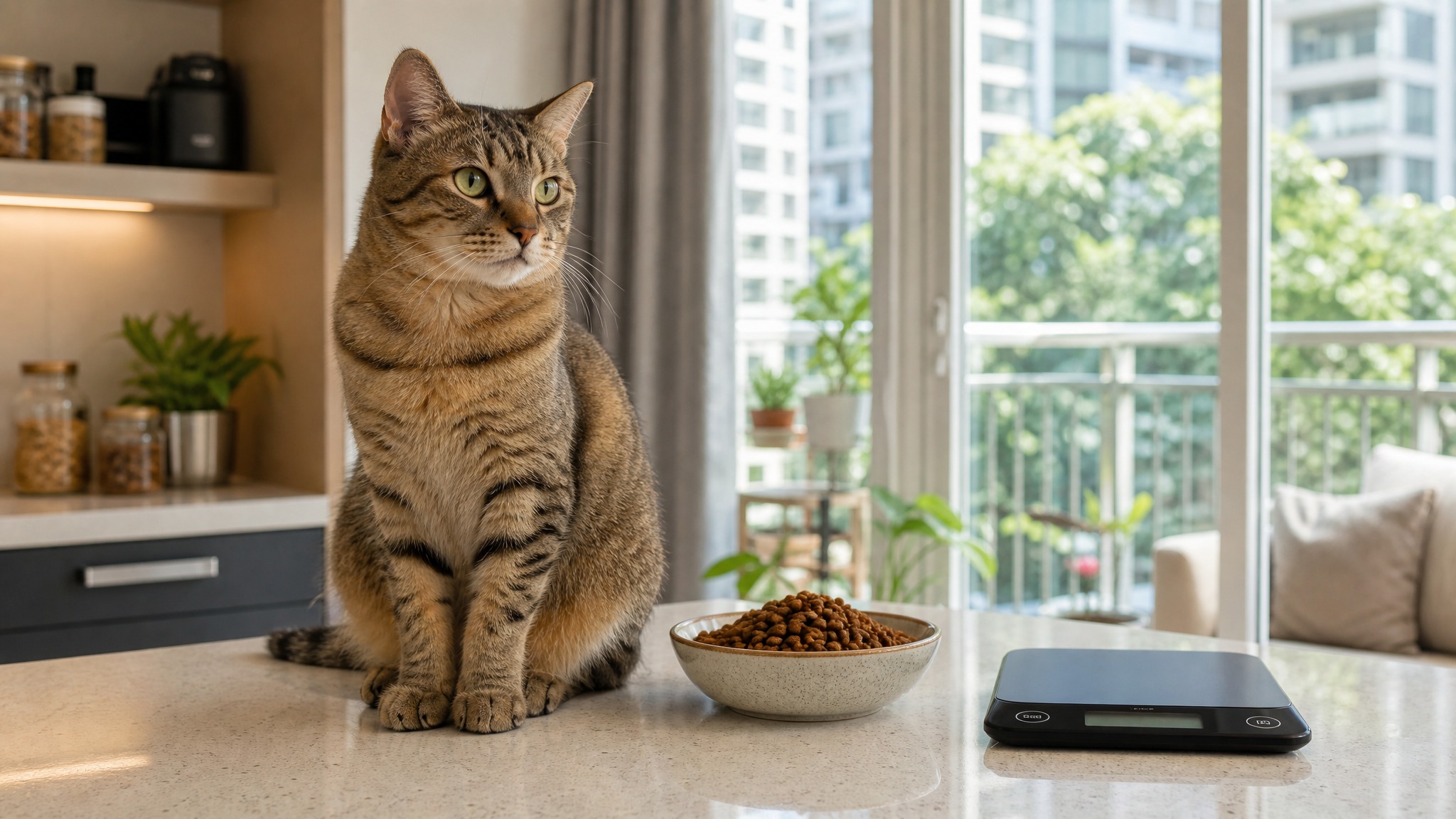
Why Neutered Cats Often Feel Hungrier
Many Malaysian cat owners notice a clear change after neutering: their cat seems more food-focused, finishes meals faster, or starts asking for snacks between feeding times. This is not just “manja” behaviour. After neutering, a cat’s hormone levels change, and this can reduce daily energy needs while appetite may stay the same or even increase. That is why a proper neutered cat diet matters soon after recovery, not only after weight gain becomes obvious.
Neutered cats often need fewer calories than intact cats because their metabolism may slow down. If the food amount stays exactly the same as before, extra calories can quietly turn into body fat. This is especially common when owners continue free-feeding dry kibble throughout the day. The cat may look healthy at first, but a small increase every month can become a real weight problem over time.
Appetite Does Not Always Mean Hunger
A cat that keeps asking for food may be hungry, bored, stressed, or simply used to getting a response when it meows. In many Malaysian homes, especially condos where cats spend most of the day indoors, food can become one of the main sources of stimulation. If every meow leads to extra kibble, the habit becomes stronger. A better response is to check feeding portions, play routine, and body condition together.
It also helps to separate true hunger from food-seeking behaviour. If your cat has eaten the correct portion but still follows you to the kitchen, try a short play session before offering more food. Puzzle feeders, slow-feeder bowls, and scheduled wet food meals can make eating feel more satisfying. These small changes support a neutered cat diet without making your cat feel punished.
How Malaysia’s Indoor Lifestyle Affects Weight Gain
Malaysia’s weather is warm and humid most of the year, so many cats spend long hours indoors with fans or air-conditioning. Indoor living is safer in many ways, especially with traffic, fleas, stray cats, and outdoor infection risks. However, indoor cats usually burn fewer calories than cats that climb, roam, and hunt outside. This makes weight control more important after neutering.
Condo cats may have limited climbing space, while landed-home cats may still spend most of their time resting indoors during hot afternoons. If a cat’s daily routine is mostly eating, sleeping, grooming, and waiting near the food bowl, weight gain can happen even with “normal” portions. Malaysian owners also often compare cat food Malaysia options on Shopee or Lazada, but product choice alone is not enough. The feeding amount and activity level still decide whether the diet works.
Humidity Can Affect Food Habits
In humid homes, dry kibble may be left out for convenience, but it can lose freshness quickly if not stored properly. Some cats graze all day simply because food is always available, not because they need the calories. Wet food can also spoil faster in Malaysia’s climate if left out too long. Feeding smaller scheduled meals is usually cleaner and easier to monitor.
Humidity also affects comfort and activity. A cat may move less during very hot weather, especially in rooms without good airflow. If your cat is already neutered and slightly overweight, less movement makes calorie control even more important. A realistic neutered cat diet should match your cat’s home environment, not just the feeding chart on the packet.
What to Check on Cat Food Labels After Neutering
After neutering, look beyond flavour names like tuna, chicken, or salmon. The most useful details are calorie content, protein level, fat level, fibre, and whether the food is complete and balanced for your cat’s life stage. Some products are marketed as indoor, sterilised, or weight control formulas, but you still need to compare the label. A good neutered cat diet is about controlled calories with enough nutrition, not simply choosing the most expensive bag.
For adult neutered cats, protein remains important because it helps maintain lean muscle. Fat should not be excessive, especially if your cat is already gaining weight. Fibre can help some cats feel fuller, but too much fibre may not suit every cat’s digestion. If your cat has urinary issues, kidney disease, diabetes, or food allergies, ask your vet before changing formulas.
Calories Matter More Than Packet Size
Two cat foods can look similar but have very different calorie density. A small scoop of one kibble may contain more calories than a larger scoop of another. This is why measuring by “one bowl” is not reliable. Use grams if possible, and check the kcal per 100g or kcal per cup on the packaging.
When comparing makanan kucing online, do not rely only on reviews or attractive bundle prices. Check whether the product suits your cat’s age, weight, activity level, and health condition. If the brand provides a feeding guide for sterilised or indoor cats, use it as a starting point, not a fixed rule. Your cat’s body condition should guide adjustments over the next few weeks.
Wet Food, Dry Food, or Mixed Feeding?
Wet food can help with hydration, which is useful in Malaysia’s warm climate. It is often more filling by volume because it contains more moisture. Dry food is convenient, usually more affordable per serving, and easier to use in puzzle feeders. Many homes do well with mixed feeding as long as the total daily calories are controlled.
The common mistake is adding wet food without reducing dry food. This turns a balanced plan into extra calories. If you want to include both, calculate them as one daily allowance. A neutered cat diet can include treats too, but treats should stay small and predictable.
Simple Portion and Feeding Schedule Tips
The easiest first step is to stop guessing portions. Use a kitchen scale or a proper measuring cup, then divide the daily amount into meals. Many adult cats do well with two to four feeding times a day, depending on the household schedule. Scheduled feeding helps you notice changes in appetite, vomiting, or food refusal more quickly.
If your cat is always hungry, do not suddenly cut food too aggressively. Rapid weight loss can be dangerous for cats and may increase the risk of liver problems. Instead, reduce portions gradually and monitor body condition every two to four weeks. If you are unsure how much weight your cat should lose, ask a vet for a target weight.
Use Play Before Meals
Short play sessions before meals can help indoor cats burn energy and feel more satisfied. Try wand toys, small balls, tunnels, or safe climbing spots. Even five to ten minutes twice a day can make a difference for a cat that usually sleeps most of the time. For condo homes, vertical space like shelves or cat trees can encourage movement without needing much floor area.
Feeding after play also follows a natural hunt-eat-rest rhythm. This can reduce begging because the meal becomes part of a routine instead of a random reward. If your cat is very food-motivated, use part of its daily kibble in a puzzle feeder. This slows eating and gives the cat something to do while staying within the neutered cat diet plan.
Keep Treats Honest
Treats are not bad, but they are easy to underestimate. A few small snacks from different family members can add up quickly, especially in multi-person households. Make one person responsible for the daily treat allowance, or keep a small container with the day’s approved amount. Once it is finished, no more treats until tomorrow.
Avoid using human food as a regular reward. Some foods are unsafe for cats, and even safe bites can add unnecessary fat, salt, or calories. If you want to give snacks, choose cat-specific treats and count them as part of the daily intake. This is especially important for neutered cats that gain weight easily.
- Measure food daily: Use grams instead of filling the bowl by eye.
- Split meals: Feed two to four smaller meals instead of constant free-feeding.
- Use slow feeders: Make meals last longer without adding calories.
- Track weight: Weigh your cat monthly if possible.
- Watch body shape: You should feel ribs gently, not see a round belly from above.
When Weight Gain Needs a Vet Check
Some weight gain after neutering is related to food and activity, but not every case should be handled at home. If your cat gains weight very quickly, seems constantly hungry, drinks more water, urinates more, vomits often, or becomes unusually tired, book a vet visit. These signs can point to medical issues that need proper diagnosis. Diet changes are useful, but they should not replace veterinary care when symptoms are present.
A vet can help check body condition score, ideal weight, and whether your cat needs a weight management plan. For obese cats, a controlled plan is safer than simply reducing food at home. Your vet may also recommend blood tests if there are signs of diabetes, thyroid issues, or other health concerns. This is particularly important for middle-aged and senior cats.
Do Not Wait Until Movement Becomes Difficult
Overweight cats may stop jumping, groom less well, or become less playful. In Malaysia’s humid climate, reduced grooming can also make the coat feel oily or uncomfortable. Heavier cats may struggle with litter box access, especially if the box has high sides. These small lifestyle problems can affect daily comfort more than owners realise.
If your cat is already overweight, choose cat litter and home setups that make movement easier while weight loss is in progress. A low-entry litter box, stable scratching post, and reachable resting areas can help. But the main solution is still long-term calorie control and activity. A consistent neutered cat diet is easier than dealing with obesity-related problems later.
FAQ
How much should I feed my neutered cat?
It depends on your cat’s current weight, ideal weight, age, activity level, and the calorie content of the food. Start with the feeding guide for neutered or indoor cats, then adjust based on body condition. If your cat is gaining weight, reduce slowly rather than making a sudden big cut. For overweight cats, ask your vet for a safe target.
Is wet food better for neutered cats in Malaysia?
Wet food can be helpful because it adds moisture and may feel more filling. This can suit Malaysia’s warm weather and cats that do not drink much water. However, wet food still contains calories, so portions must be controlled. The best choice is the one that supports hydration, nutrition, and a realistic feeding routine.
Can I leave dry food out all day?
Free-feeding dry food is convenient, but it often causes overeating in neutered cats. In humid Malaysian homes, kibble can also lose freshness if left exposed for too long. Scheduled meals make it easier to control portions and monitor appetite. If your cat prefers grazing, try dividing the daily amount into several small servings.
Why is my cat still hungry after eating?
Your cat may be asking for attention, routine, or stimulation rather than more calories. Try play, brushing, or a puzzle feeder before adding food. If the hunger is sudden, extreme, or comes with weight change, thirst, vomiting, or tiredness, arrange a vet check. Constant hunger should not be ignored if it is new behaviour.
What should I buy for a neutered cat’s weight control routine?
Useful cat supplies include a kitchen scale, slow-feeder bowl, puzzle feeder, interactive toys, and a suitable complete cat food. For Malaysian homes, airtight food storage is also helpful because of humidity. A good litter setup matters too, especially if your cat is heavier and less active. These basics make daily weight control easier and more consistent.
Choosing Cat Supplies for a Healthier Routine
A good feeding plan works best when your home setup supports it. For neutered cats, consider practical cat supplies such as measured food containers, slow feeders, puzzle toys, water fountains, airtight storage, comfortable litter boxes, and reliable pasir kucing for odour control in humid Malaysian homes. These items help you manage portions, encourage movement, and keep the environment cleaner without depending on constant treats. When comparing cat supplies online, look for products that fit your cat’s size, your home layout, and your daily routine.
延伸閱讀
- Do Neutered Cats in Malaysia Need Urinary Care Food? What Vets Usually Look For
- Can Humid Weather Cause Yeast Skin Infections in Cats? Signs Malaysian Owners Should Not Miss
- Cat Ear Infections in Malaysia: Head Shaking, Bad Smell and When It Needs a Vet
Last updated:2026-06-10 by CatGarden
CatGarden Deodorizing Mineral Cat Litter 3.0