
▶Cat Column, Environment cleaning care
Best Cat Litter for Singapore Humidity: Odour Control, Clumping, and Tracking Checks
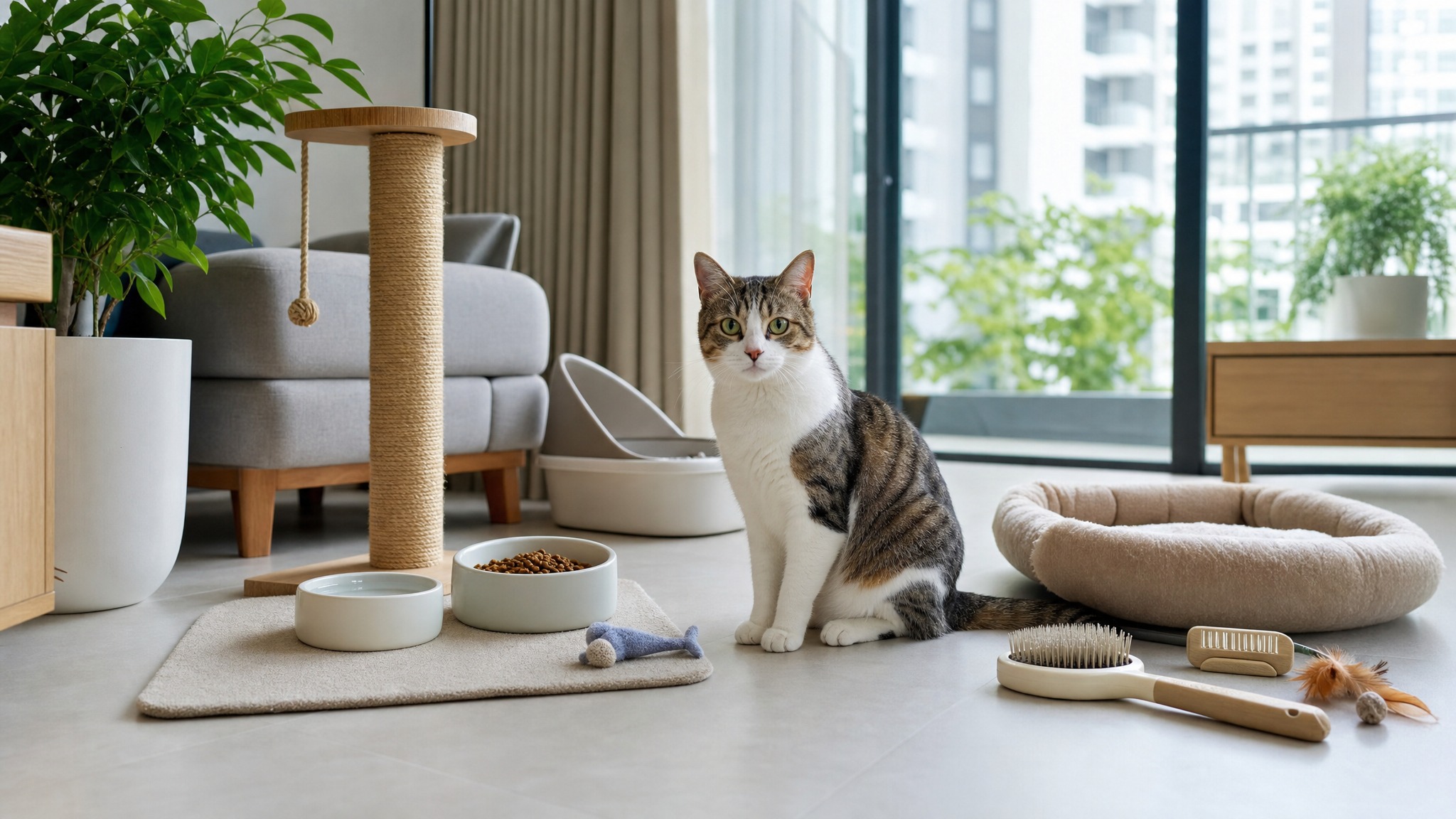
Best Cat Litter for Singapore Humidity: Odour Control, Clumping, and Tracking Checks
Why Humidity Changes Litter Performance
Choosing the best litter in Singapore is not just about brand, scent, or price. Humid weather changes how litter absorbs moisture, traps odour, forms clumps, and stays fresh between scoops. For many HDB cat households, the tray sits in a service yard, bathroom corner, or compact utility space where airflow can be limited. That is why cat litter Singapore humidity is a real buying consideration, not just a nice-to-have search term.
When air already carries a lot of moisture, litter can feel “used” faster even if your cat has only visited once or twice. Some litters start to cake on the surface, while others become heavy, damp, or slightly musty before the bag is finished. This is especially noticeable in homes without constant air-con or dehumidifier use. A good litter for Singapore should handle urine moisture, ambient humidity, and daily odour pressure at the same time.
Indoor Cats and HDB Spaces
Most Singapore cats live indoors, so litter performance affects the whole home. In an HDB flat, odour can travel quickly from the litter area to the kitchen, corridor, or bedroom if the tray is not well managed. Busy working owners may only scoop before work and after dinner, which means the litter must stay stable for several hours. This makes absorbency and odour control more important than in a larger, better-ventilated home.
Placement also matters. A tray near a wet bathroom, laundry area, or open window may be exposed to more moisture than one in a dry, shaded corner. If your cat accepts it, a low-traffic area with decent airflow usually helps litter last longer. Avoid placing the box directly beside strong food smells, cleaning chemicals, or noisy appliances, as these can make some cats avoid the tray.
Odour Control Checks
Odour control is often the first thing owners notice when testing cat litter. In Singapore humidity, ammonia smells may become stronger because damp litter and warm air make odour spread faster. The best test is not whether the litter smells nice when opened, but whether the tray smells neutral after normal use. For cat litter Singapore humidity, look for odour control that comes from absorption and proper trapping, not only added fragrance.
Strong perfume can cover smells for humans but may irritate some cats. Cats have sensitive noses, and a heavily scented litter may discourage regular toilet use. Unscented or lightly scented formulas are often easier to monitor because you can tell when the tray genuinely needs cleaning. If odour suddenly becomes very strong despite regular scooping, check your cat’s urine volume, diet changes, hydration, and consult a vet if anything seems unusual.
What to Check After 24 Hours
After one full day of normal use, the litter should not smell sour, wet, or sharp from a distance. Stand near the tray without bending down; if the smell is obvious, the litter may not be controlling odour well enough for your home. Then check the clumps or wet patches to see whether moisture has spread to the bottom. Good odour control usually starts with fast moisture capture.
Also check the surrounding area. If the room smells fine but the tray smells intense only when scooped, that is normal to a point. If the whole room smells stale, the tray may need more frequent scooping, a larger box, deeper litter, or a better formula. Multi-cat homes need extra caution because one tray can become saturated quickly. As a rule, more cats mean more trays, more litter depth, and stricter cleaning habits.
Clumping and Dust
Clumping litter is popular because it makes daily cleaning easier, but not all clumps survive Singapore’s damp air. Some clumps break apart when lifted, leaving small wet crumbs that create lingering smell. Others form very hard clumps but stick badly to the base of the tray. For cat litter Singapore humidity, the ideal clump should be firm enough to scoop cleanly without turning into cement.
Dust is another practical issue, especially in small apartments. Fine dust can settle around the litter area, on nearby shelves, or inside covered boxes. It may also bother humans with sensitive noses and cats that dislike dusty textures. Low-dust litter is usually worth prioritising for indoor HDB living, even if it costs slightly more per bag.
Clump Quality Tests
When trying a new litter, observe the clump after your cat urinates and again when you scoop a few hours later. A good clump should hold together when lifted and leave minimal damp residue behind. If the clump collapses, the remaining wet particles may continue producing odour. If the clump is too sticky, you may waste clean litter scraping the tray.
Litter depth also affects clumping. A shallow layer causes urine to hit the base quickly, which makes sticking and odour worse. Most clumping litters perform better when the tray is filled deep enough for urine to be absorbed before reaching the bottom. Follow the brand’s depth suggestion, then adjust based on your cat’s habits and tray size.
Dust and Cat Comfort
Dust is not only a cleaning issue; it affects whether your cat enjoys using the tray. If your cat sneezes near the box, shakes paws often, or exits the tray in a rush, the texture or dust level may be wrong. Some cats prefer fine sand-like litter, while others accept larger granules or plant-based pellets. The best litter is the one your cat uses consistently without stress.
When switching litter, avoid changing everything overnight unless the current litter is causing a serious problem. Mix a small amount of the new litter into the old one, then increase gradually over several days. Cats are creatures of habit, and sudden texture changes can lead to accidents outside the box. If your cat stops using the tray, return to the last accepted setup and speak to a vet if avoidance continues.
Tracking in HDB Flats
Tracking happens when litter sticks to paws and travels across the floor. In HDB flats, even a short trail from the bathroom to the living room can feel messy because rooms are close together. Humidity can make tracking worse when granules become slightly damp or clingy. This is why cat litter Singapore humidity should include a tracking check, not only odour and clumping.
Fine clumping litter often feels comfortable for cats but may scatter more easily. Larger granules, tofu litter, wood pellets, or mixed formulas may track less, but acceptance depends on your cat. A litter mat outside the tray helps, but it cannot fully fix a litter that is too light or dusty. The goal is to reduce spread without making the toilet area unpleasant for your cat.
Tray Setup for Small Homes
A larger open tray often reduces mess better than a tiny covered box. Covered boxes may hide the sight of litter, but they can trap smell and humidity inside if airflow is poor. Some cats also dislike turning around in cramped boxes, especially larger adult cats. If space allows, choose a tray where your cat can enter, turn, dig, and exit comfortably.
Place a washable mat at the exit point and keep a small broom or handheld vacuum nearby. This makes daily maintenance fast enough for busy owners. If your cat always exits from one side, position the opening so they step onto the mat before reaching the floor. Small setup choices can make the difference between a tidy litter corner and daily scattered granules.
Buying Checklist
Before buying a large bag, test a smaller pack if available. A litter that works well in an air-conditioned showroom or online review may behave differently in your home. Your tray location, number of cats, cleaning schedule, and ventilation all affect performance. For cat litter Singapore humidity, judge by real use over at least several days.
Price per bag is not the same as cost per month. A cheaper litter that needs full replacement often may cost more than a better litter that stays fresh longer. Also consider delivery convenience, bag weight, storage space, and whether the litter is easy to dispose of according to product instructions. Singapore owners who buy cat food Singapore online often find it easier to add litter and other essentials in the same delivery.
Quick Checklist
- Odour control: The tray should stay neutral between regular scoops, without relying heavily on perfume.
- Clumping strength: Clumps should lift cleanly and leave little wet residue behind.
- Low dust: The litter should not create visible clouds when poured or scooped.
- Tracking control: Granules should not spread far beyond the tray and mat.
- Cat acceptance: Your cat should enter, dig, cover, and return without hesitation.
- Humidity stability: The litter should not become damp, musty, or heavy too quickly after opening.
- Home fit: Consider HDB layout, tray location, airflow, and cleaning routine.
- Stock reliability: Choose a formula you can repurchase easily from trusted cat supplies sources.
Storage is part of the checklist too. Keep unused litter sealed tightly and away from wet areas, especially if you buy in bulk. A half-open bag beside the bathroom or laundry area may absorb moisture before it even reaches the tray. Use clips, airtight bins, or resealable packaging to keep the litter dry for longer.
When to Recheck the Litter Choice
Your cat’s litter needs may change with age, diet, health, and household routine. A kitten, senior cat, or cat with urinary issues may need a different texture or cleaning schedule. If your cat urinates more often, strains, cries, passes blood, or avoids the tray, do not treat it as a litter problem only. Speak to a vet promptly because urinary problems can become serious.
You should also recheck litter if you move the tray, change cat food, add a second cat, or start keeping windows closed more often. Air-con rooms may keep litter drier, while bathrooms and service yards may create more moisture pressure. A product that worked during one season may feel less effective during wetter months. Practical testing beats loyalty to any single formula.
For Singapore homes, the best cat litter is the one that balances odour control, clumping, low dust, tracking control, and cat acceptance in real humidity. If you are comparing cat litter Singapore humidity options, start with your home setup first, then match the product to your cat’s habits. A good litter routine keeps the flat fresher, makes daily scooping easier, and helps your cat feel secure using the tray. When you are ready to restock, browse reliable cat supplies for litter, trays, mats, scoops, storage bins, and daily essentials that suit indoor Singapore cats.
FAQ
What type of litter works best for Singapore humidity?
There is no single best type for every cat, but good humidity performance usually means fast absorption, stable clumping, low dust, and reliable odour control. Clumping clay, tofu, wood, and mixed litters can all work if they stay dry enough in your home. Test small packs before committing to bulk orders. Your cat’s acceptance matters as much as technical performance.
How often should I scoop cat litter in Singapore?
For most indoor cats, scoop at least once daily, and twice daily is better for small HDB flats. Humid weather can make odour build faster, so morning and evening scooping helps keep the tray fresh. Multi-cat homes may need even more frequent cleaning. Full replacement depends on litter type, tray size, and odour control.
Is scented cat litter good for odour control?
Scented litter can make the area smell pleasant at first, but it does not always solve the source of odour. Some cats dislike strong fragrance and may avoid the tray. Unscented or lightly scented litter with strong absorption is often a safer starting point. If odour remains strong despite cleaning, review the litter depth, tray hygiene, and your cat’s health.
How can I reduce litter tracking in an HDB flat?
Use a larger tray, place a washable mat at the exit, and choose a litter that does not cling too much to paws. Keep the surrounding floor dry, as damp surfaces can make particles stick and spread. If your cat accepts it, larger granules may reduce tracking. Avoid making changes too suddenly, because cats may reject unfamiliar textures.
Can cat food affect litter box smell?
Yes, diet can affect stool smell, urine concentration, and litter box experience. If you recently changed food and the tray smells different, monitor your cat’s appetite, stool quality, and water intake. For ongoing digestive or urinary concerns, check with a vet instead of only switching litter. Many owners compare cat food Singapore options and litter together because both affect daily home hygiene.
延伸閱讀
- Is Wet Food Better in Singapore’s Hot Weather? A Practical Feeding Guide for Indoor Cats
- Why Is My Cat Not Drinking Water? Simple Hydration Tips for Singapore Homes
- Is Your Cat Eating Less in Singapore’s Hot Weather? What’s Normal, What to Try, and When to Call a Vet
Last updated:2026-06-05 by CatGarden
CatGarden Deodorizing Mineral Cat Litter 3.0