
▶Cat Column, Everyday beauty care
High-Rise Syndrome in Singapore Cats: Window Safety, Fall Risks, and Vet Warning Signs
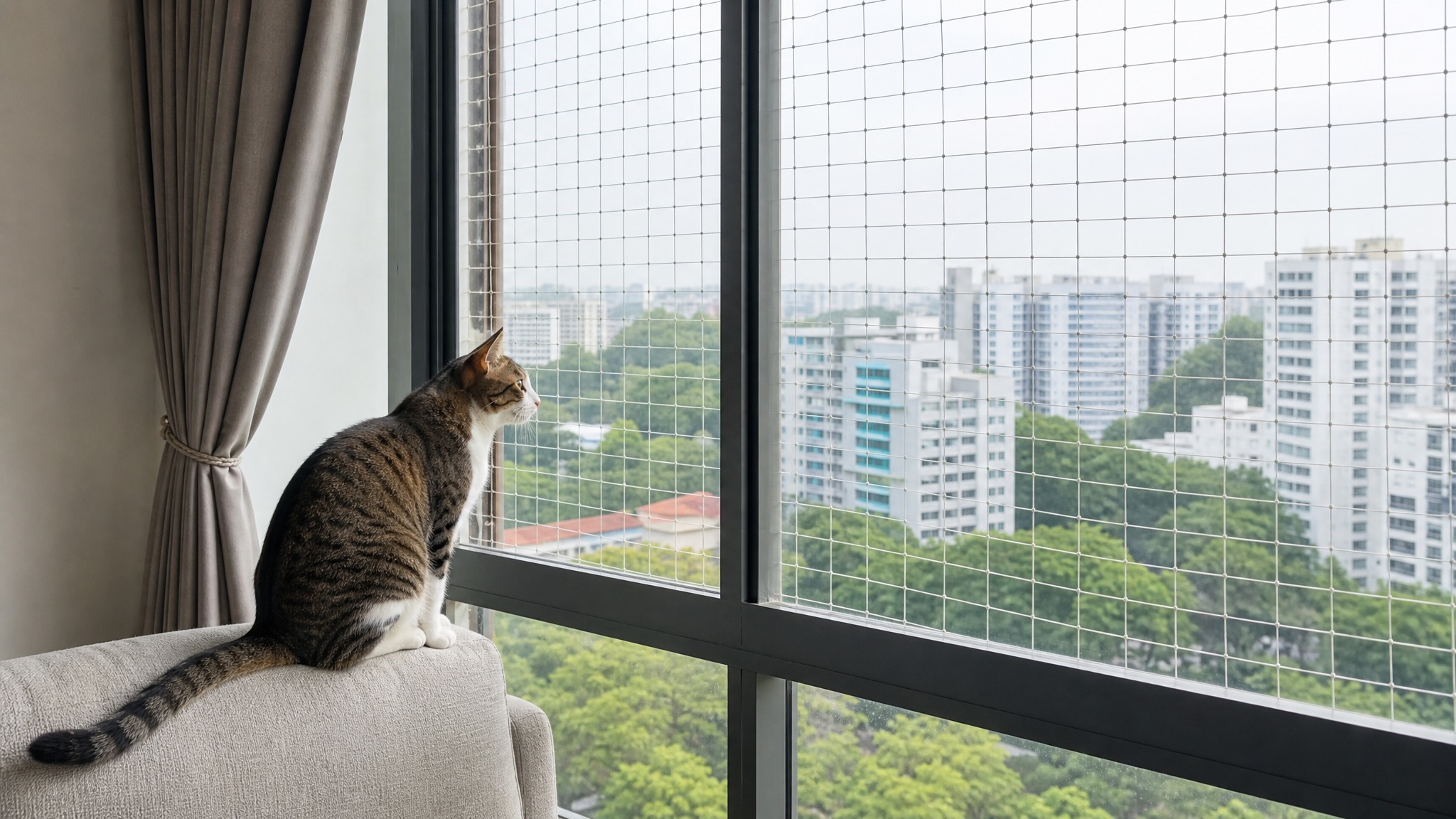
What High-Rise Syndrome Means for Singapore Cats
High-rise syndrome cats refers to cats injured after falling from height, often from windows, balconies, ledges, service yards, or corridor openings. In Singapore, this risk matters because many cats live in HDB flats and condos where even a small gap can become dangerous. Indoor cats may look calm, but a sudden sound, bird, insect, or loss of balance can trigger a jump or slip. A fall from several storeys can cause serious injuries even when the cat seems alert afterwards.
The term does not mean cats are careless or that owners are neglectful. It describes a common accident pattern in urban homes where vertical living is normal. Singapore cats may spend most of their lives indoors, so they often have limited experience judging outdoor height, wind, slippery ledges, or balcony railings. The safest approach is to treat every open window or elevated edge as a possible fall risk before anything happens.
Why cats do not always “land safely”
Cats have a righting reflex, which helps them twist their body during a fall, but this does not make them immune to injury. Depending on the height, surface, body position, and impact, a cat can suffer fractures, chest trauma, jaw injuries, internal bleeding, or shock. Some cats may run away after landing because they are scared, not because they are unharmed. This is why high-rise syndrome cats should be assessed by a vet even if there are no obvious wounds.
Why HDB Flats and Condos Can Be Risky for Indoor Cats
Many Singapore homes are designed for airflow, laundry drying, and compact living, not specifically for curious cats. HDB windows, service yards, balcony doors, and corridor-facing gates may create openings that look too small for concern. However, cats can squeeze through narrow gaps, climb grilles, or push against loose mesh when they are excited. In humid weather, owners may also leave windows open for ventilation, which increases exposure if the area is not secured.
Condo layouts can carry similar risks, especially with balcony railings, planter ledges, sliding doors, and high windows near furniture. A cat that enjoys watching birds or traffic may start by sitting safely indoors, then gradually test the boundary. Air-con rooms can also create routines where doors and windows are opened quickly for ventilation, cleaning, or deliveries. Busy working owners may miss small changes, such as a loosened grille tie, a shifted screen, or a newly accessible shelf near a window.
Common Singapore home situations to watch
A HDB cat may be safest indoors most of the time, but risk rises when there is easy access to window ledges, service yard pipes, or corridor gates. Cats can also become more active during dawn and dusk, when owners may be preparing for work or winding down after a long day. If a window is opened “just for a while”, that short period can still be enough for an accident. Prevention works best when safety is built into the home setup, not dependent on remembering every time.
Window, Balcony, and Corridor Checks Before an Accident Happens
Start with a room-by-room check from your cat’s point of view. Look for furniture, storage boxes, cat trees, washing machines, or shelves that allow your cat to reach a window or balcony edge. Check whether grilles have wide spacing, whether mesh can be pushed loose, and whether sliding windows can be opened by pawing or leaning. For high-rise syndrome cats, the danger is often not one obvious open window, but a chain of small access points that leads to height.
Windows should have secure barriers that can handle pushing, climbing, and repeated daily use. Lightweight insect screens may help with bugs, but they are not always strong enough as cat-proof protection unless properly reinforced. Balcony netting, grille panels, and pet-safe screens should be installed firmly and inspected often, especially in Singapore’s humid weather where adhesive hooks, cable ties, and some materials may weaken over time. If you rent, choose removable solutions that still lock tightly and do not rely on hope.
Practical safety checklist
- Windows: Check grille spacing, lock function, mesh tension, and whether your cat can reach the ledge from nearby furniture.
- Balconies: Secure railings from floor to top, including side gaps, planter ledges, and spaces near sliding doors.
- Service yards: Watch washing machine tops, pipes, laundry racks, and small openings near ventilation areas.
- Corridors: Keep main doors, gates, and shoe cabinets managed so your cat cannot slip out during deliveries or rubbish runs.
- Daily habits: Close or latch unsafe openings before cleaning, cooking, receiving parcels, or switching between fan and air-con use.
Do not forget vertical enrichment when making the home safer. Cats still need places to climb, observe, scratch, and rest, especially indoor cats in smaller flats. A stable cat tree, window-facing perch behind a secure screen, and interactive play sessions can reduce the urge to explore unsafe ledges. The goal is not to remove your cat’s curiosity, but to redirect it into spaces that are designed to hold their weight and movement.
What to Do If Your Cat Falls: Vet Warning Signs and First Steps
If your cat falls from height, stay calm and act quickly. First, find your cat without chasing loudly, because an injured cat may hide under cars, drains, stairs, or nearby plants. Use a carrier, towel, or firm board if needed, and avoid pressing the chest or belly. Even if your cat stands up, contact a vet as soon as possible because high-rise syndrome cats can have internal injuries that are not visible at first.
Do not give human painkillers, food, water, or home remedies unless a vet tells you to. Some medications that are safe for people are toxic to cats, and feeding may complicate treatment if sedation or surgery is needed. Keep your cat warm, quiet, and contained during transport. If possible, call the clinic before arriving so they can prepare for an emergency assessment.
Vet warning signs after a fall
- Difficulty breathing, open-mouth breathing, or fast shallow breaths
- Bleeding from the mouth, nose, ears, or wounds
- Limping, dragging limbs, inability to stand, or obvious pain
- Swollen face, broken teeth, drooling, or jaw misalignment
- Pale gums, weakness, collapse, or unusual quietness
- Hiding, aggression, crying, or sudden behaviour changes
- Blood in urine, trouble urinating, vomiting, or a swollen belly
These signs need urgent veterinary attention, but absence of these signs does not guarantee safety. Cats are good at masking pain, and adrenaline may make them seem more normal shortly after impact. A vet may recommend examination, pain relief, X-rays, oxygen support, blood tests, or monitoring depending on the fall and symptoms. For high-rise syndrome cats, early assessment can make a meaningful difference in treatment options and comfort.
Useful Cat Supplies for Safer High-Rise Living
The right cat supplies can support safer apartment living when they are chosen for your actual home layout. For windows and balconies, look for sturdy pet-safe mesh, grille guards, balcony netting, secure latches, and cable management that your cat cannot chew or pull loose. For indoor enrichment, choose stable cat trees, scratchers, tunnels, and toys that keep your cat active away from risky openings. A good setup gives your cat height, movement, and stimulation without giving access to real danger.
Daily care items also matter in Singapore’s climate. Humid weather can make odour control harder, so suitable cat litter Singapore owners can manage consistently is important for indoor comfort. Good clumping litter, covered or open litter boxes depending on your cat’s preference, odour-control accessories, and regular cleaning tools help keep the home pleasant. When cats are comfortable indoors, they are less likely to seek stimulation through unsafe exits.
Food, litter, and home comfort choices
Food and hydration also play a role in everyday wellbeing, though they do not prevent falls directly. Many owners searching for cat food Singapore options need to balance nutrition, budget, delivery convenience, and picky eating. Wet food, water fountains, and clean bowls can support hydration, especially in air-con rooms where cats may drink less than expected. Any major diet change should be gradual, and cats with medical issues should follow vet advice.
For high-rise syndrome cats prevention, supplies should be practical, durable, and easy to maintain. A carrier should always be ready, not buried in a storeroom, because emergencies are stressful enough without searching for transport. Keep a small first-response kit with towels, clinic contacts, vaccination records, and your cat’s microchip details if available. Safety is strongest when your home setup, daily routine, and supplies all support the same goal.
FAQ
Can an indoor HDB cat still be at risk of high-rise syndrome?
Yes, an indoor HDB cat can still be at risk if windows, service yards, corridors, or balcony areas are not properly secured. Many accidents happen during ordinary moments such as cleaning, airing the room, receiving parcels, or moving laundry. Indoor cats may be even less prepared for outdoor height because they have little experience with ledges, wind, and sudden noise.
Should I bring my cat to the vet if it falls but looks normal?
Yes, you should contact a vet even if your cat looks normal after a fall. Some injuries, including chest trauma, internal bleeding, fractures, and shock, may not be obvious immediately. A vet can advise whether your cat needs urgent examination, monitoring, imaging, or pain relief.
Are insect screens enough to protect cats from falling?
Not always, because many insect screens are designed to keep bugs out, not to hold a cat’s body weight. Cats may push, climb, scratch, or lean against the screen repeatedly until it loosens. If you use screens, choose reinforced pet-safe options and check the frame, tension, and mounting points regularly.
How can I make a condo balcony safer for my cat?
Secure the balcony from floor level to above jumping height, including rail gaps, side gaps, and planter ledges. Use pet-safe netting, panels, or professional grille solutions that are firmly installed and checked often. Do not allow balcony access unless the barrier is strong enough for climbing, pushing, and sudden movement.
What cat supplies are most useful for high-rise homes in Singapore?
Useful supplies include secure window mesh, balcony netting, grille guards, stable cat trees, scratchers, interactive toys, a ready carrier, and reliable litter supplies. For Singapore homes, odour control and humidity-friendly litter choices are especially practical. These items help make indoor life safer, cleaner, and more comfortable for both cats and owners.
Choose Safer Cat Supplies for High-Rise Living
Living with cats in Singapore often means balancing HDB or condo layouts, humid weather, busy schedules, and the need for a clean indoor home. Small upgrades can make daily life safer: stronger window protection, a stable carrier, better litter control, scratchers that redirect climbing, and food or hydration tools that suit your cat’s routine. When shopping for cat supplies, choose items that match your actual space instead of buying only by trend or price. Look for durable materials, secure fittings, easy cleaning, and delivery options that help you restock before essentials run out. A safer home does not need to feel restrictive for your cat. With the right cat supplies, you can give your cat places to climb, rest, play, eat, and use the litter box comfortably while reducing high-rise risks in everyday Singapore apartment life.
延伸閱讀
- Bringing a Kitten Home in Singapore: Vet Checks, Vaccines, Food, and HDB Setup
- Why Is My Cat Itching More in Singapore’s Humid Weather? Skin Triggers and Vet Warning Signs
- Are Selkirk Rex Cats Healthy? Singapore HDB Care, Skin and Coat Checks
Last updated:2026-06-11 by CatGarden
CatGarden Deodorizing Mineral Cat Litter 3.0